

Air Jordan 1 Guide: History, Sizing, Authenticity Checks and Pre-Owned Tips
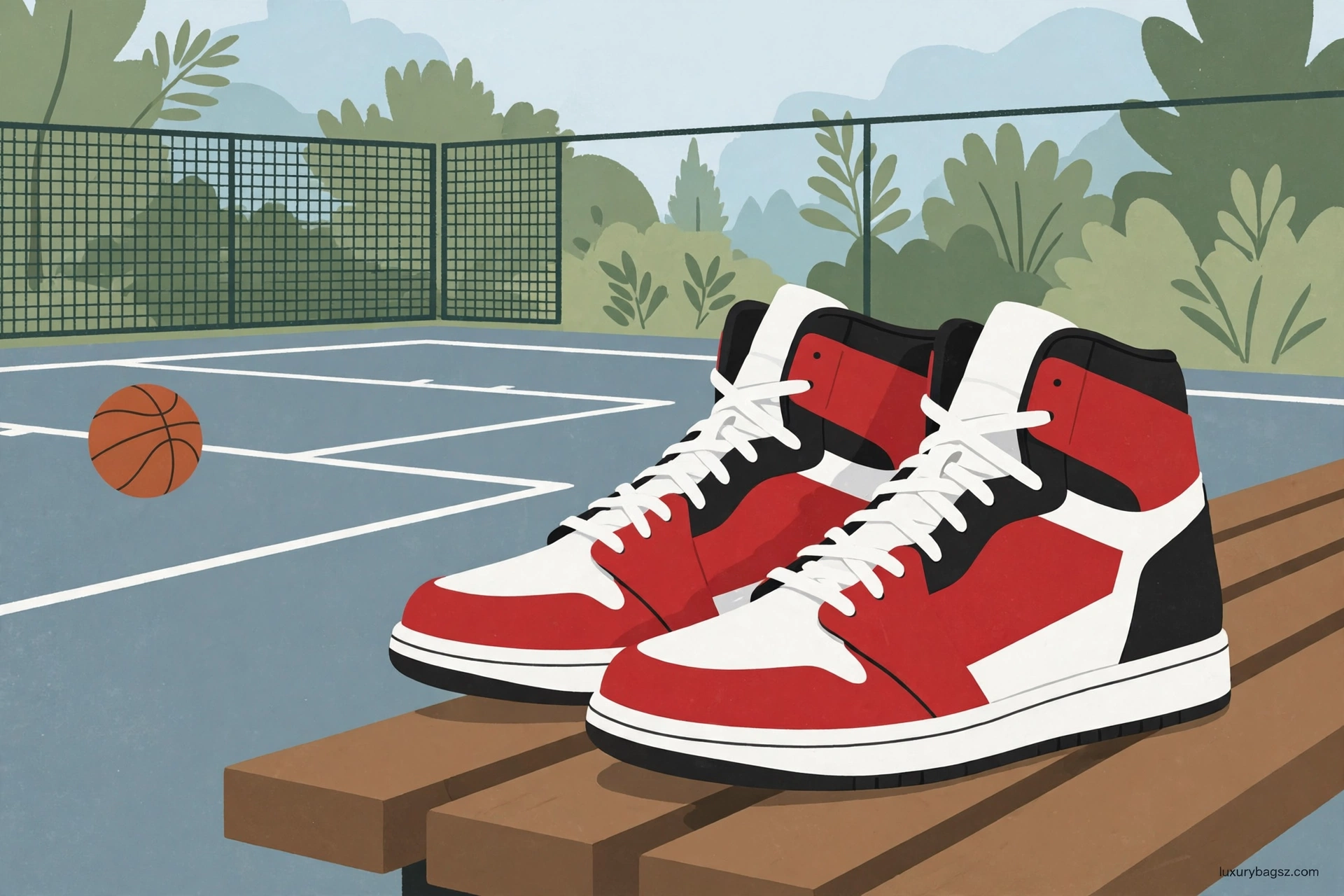
The Jordan 1 in Brief: The Shoe That Started Sneaker Culture
The Air Jordan 1 is Nike's 1985 basketball shoe for Michael Jordan, designed by Peter Moore, and it is the foundation of modern sneaker culture: the first signature shoe that became a fashion staple far beyond sport. Buy it today in three cuts: High for the original silhouette, Mid for value, Low for easy everyday wear. Most wearers find it true to size, and because fakes are everywhere, authenticity checks are part of buying, not an optional extra.
Key Takeaways
- The Air Jordan 1 launched in 1985; the Chicago colourway is its most famous form.
- High, Mid and Low share the DNA but differ in collar height, materials and price.
- Fit is generally true to size; wide feet may prefer half a size up in the High.
- No single check proves authenticity: shape, stitching, tags, box codes must all agree.
- Retail buys from Nike and authorised shops are safe; resale needs checks or a verified platform.
- Pre-owned value depends on colourway, condition and completeness, box included.
A Short History of the Shoe
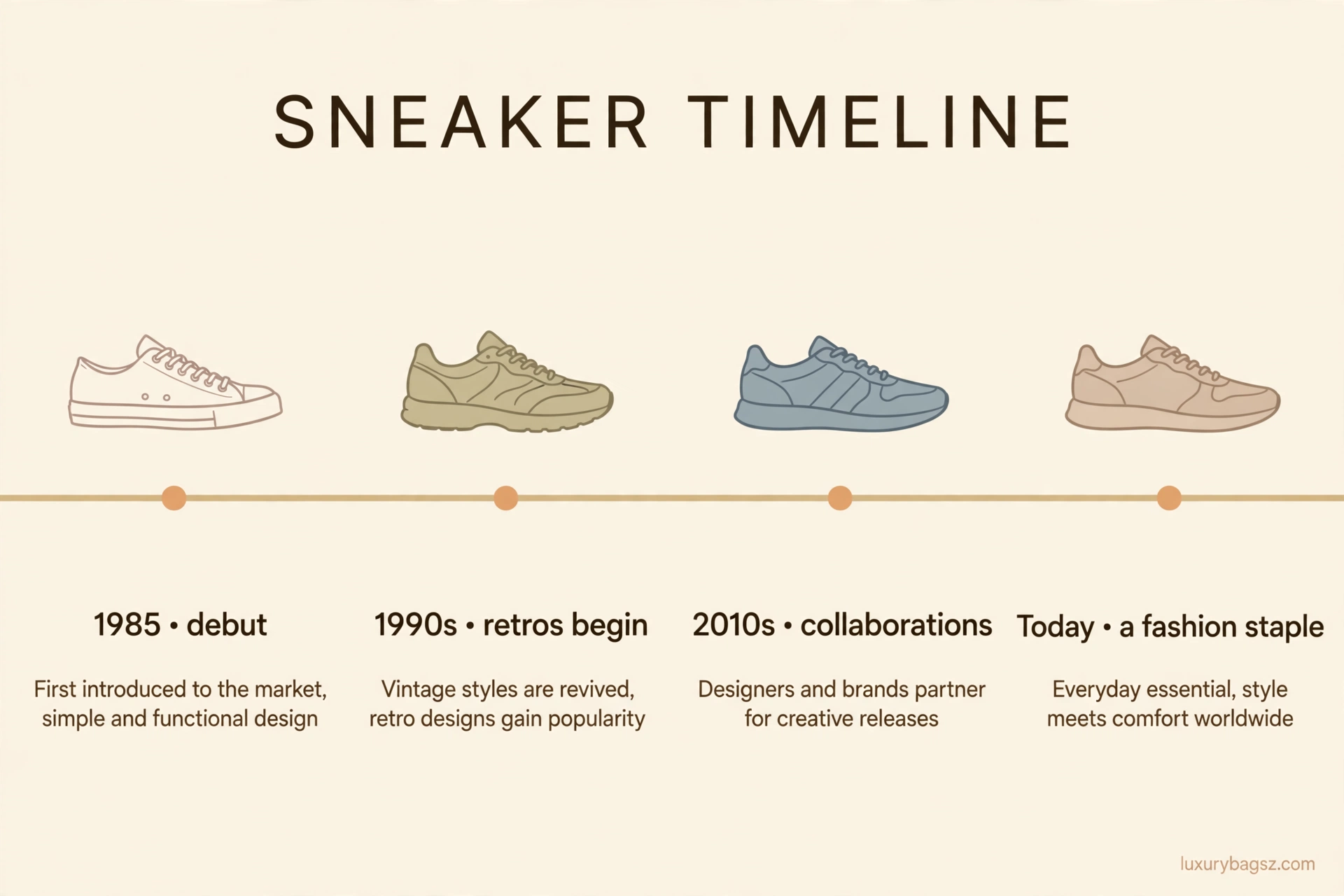
Nike signed Michael Jordan in 1984 and built him a signature line, a gamble at a time when rookie endorsement shoes were rare. Peter Moore designed the first shoe, with the winged basketball logo that still marks the High. The Air Jordan 1 released in 1985 in colourways tied to Jordan's team colours, most famously the black and red and the Chicago mix of white, red and black. Popular legend says the black and red shoe was banned by the league and fined per game; historians note the story grew in the telling. Either way, rebellion became part of the shoe's mythology early. Jordan moved on to new models each season, but the 1 never really left. Retro reissues from the 1990s onward turned it into a permanent fashion item, restyled by collaborators and worn far from any court.
Why This Shoe, of All Shoes
The Jordan 1 sits at the crossing of sport, music and street style. Hip-hop adopted it in the 1980s, skateboarders wore it for its flat sole and ankle support, and fashion houses later borrowed its silhouette. Its design is simple enough to style with almost anything: a panelled leather upper, a bold swoosh and a high collar that reads as confidently in jeans as in tailoring. Scarcity did the rest. Limited colourways, collaborations and retro cycles keep demand rotating, which is why our wider best sneakers buying guide treats the 1 as the reference point for the whole market. Plenty of shoes are comfortable; plenty are rare. The Jordan 1 is the rare case of a shoe that is also a piece of design history you can wear daily.
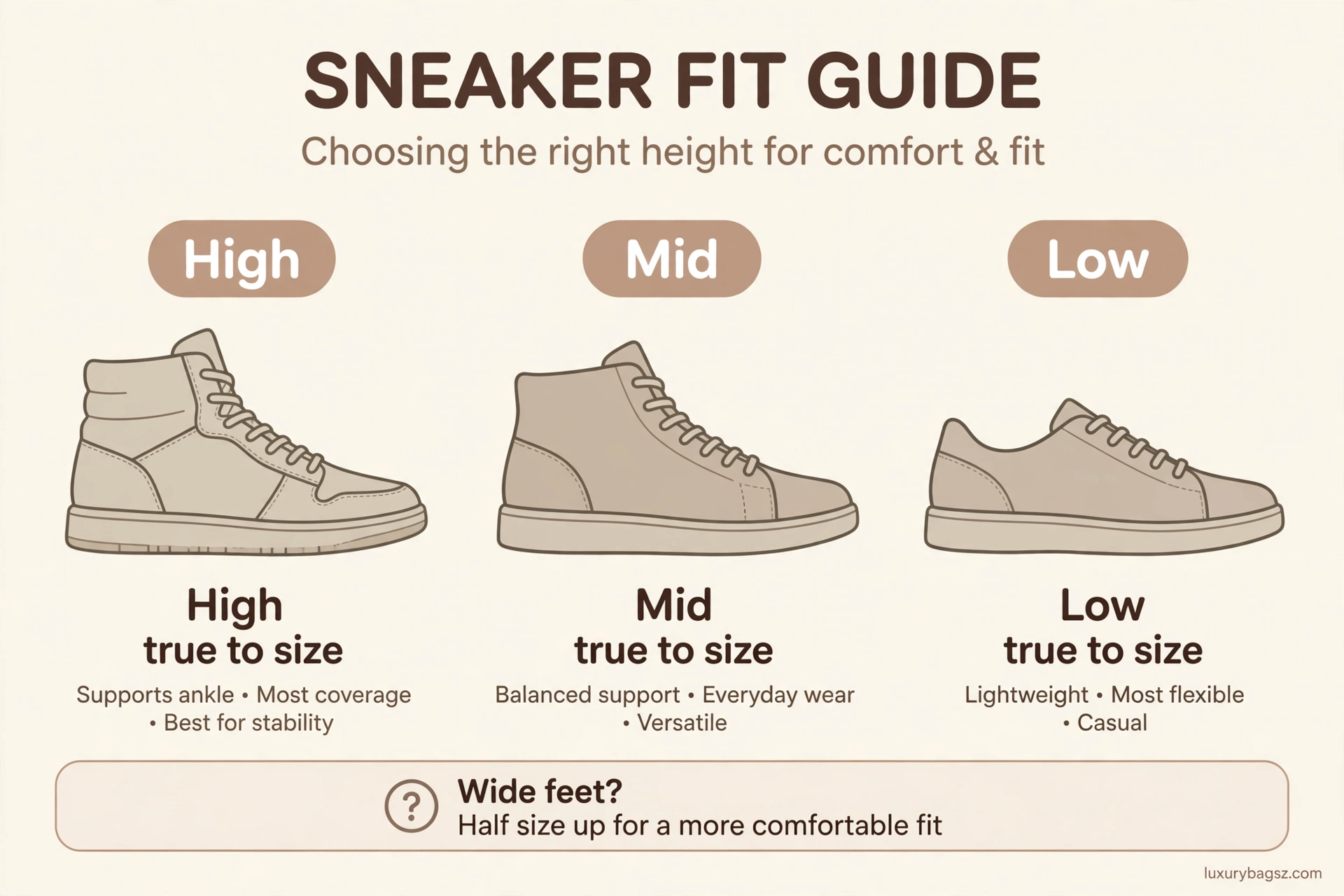
High, Mid and Low: The Three Cuts
The High is the original form: tallest collar, the winged logo, and on OG-style retros, Nike Air tongue branding. It commands the highest prices and the most collector attention. The Mid trims the collar slightly and has historically used more varied materials and colourways at lower retail prices. Purists rank it below the High; most wearers simply find it excellent value. The Low cuts the shoe to trainer height and wears like an everyday sneaker. It suits warmer weather and subtler outfits, and its OG retros have grown steadily more sought after. Jumpman branding appears on many Mid and Low tongues, while Nike Air branding marks the more faithful retro Highs. Knowing which branding a release should carry is itself an authenticity clue.
Colourways: Where to Start
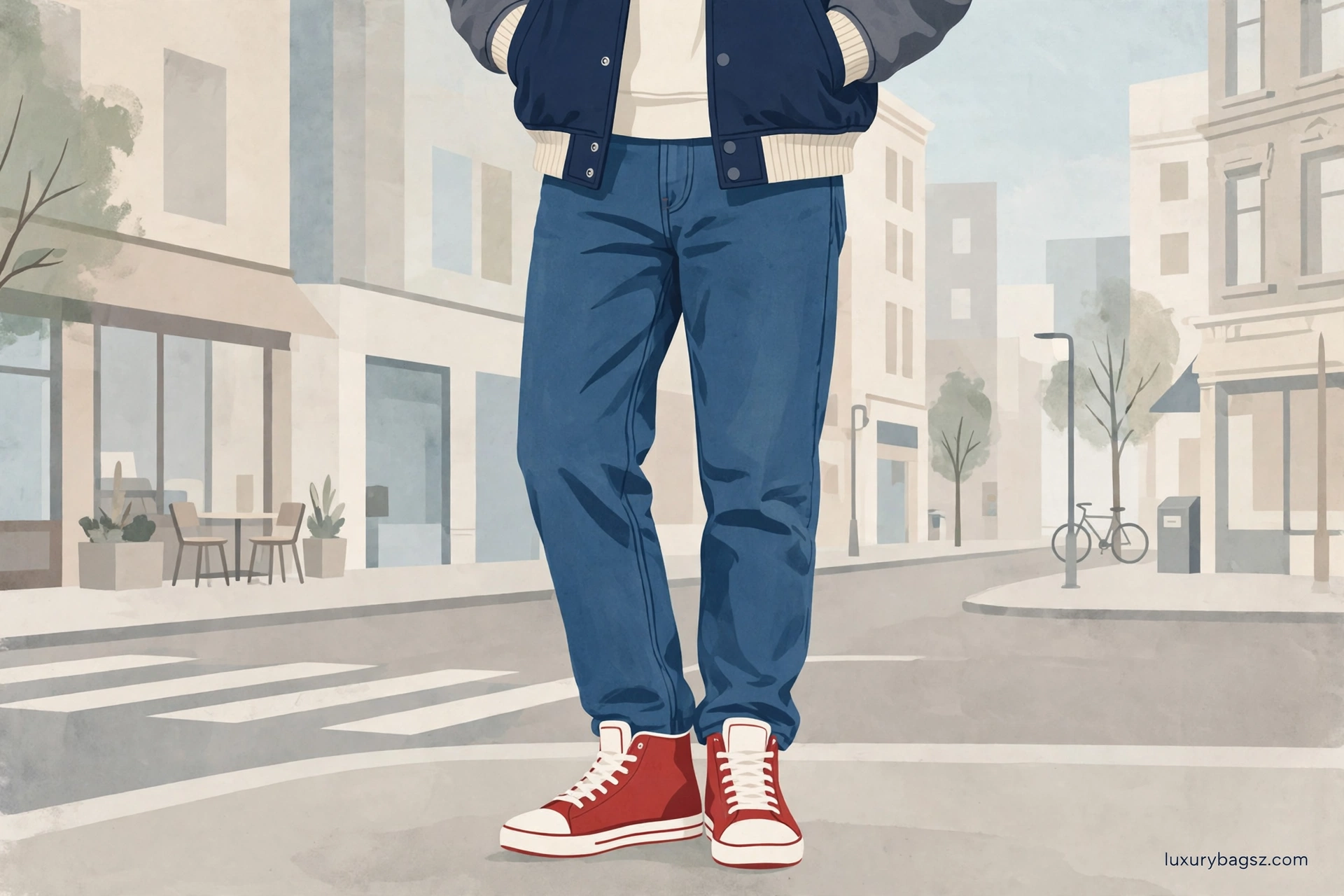
Chicago is the icon: white, red and black, reissued in several forms over the decades. Expect to pay the strongest prices for the cleanest retro versions. Bred, short for black and red, is the other pillar, with Royal blue and black and Shadow grey rounding out the classic four that most collectors start from. Beyond the classics, the range is endless: university colours, neutrals, patent finishes and collaborations. Start with a classic or a neutral you will wear weekly, not the rarest shoe on the shelf. Worn with jeans, a plain tee and a good jacket, a classic colourway does the styling work alone. Save the loud collaborations for a wardrobe that already has its basics settled.
Sizing and Fit, Honestly
Most wearers find the Jordan 1 true to size across all three cuts, in line with standard Nike sizing. The toe box is moderately shaped: not wide, not pointed. If your feet are wide, or you prefer thick socks, half a size up in the High is the common fix. Narrow feet occasionally drop half a size, but try before committing where you can. New pairs feel stiff for the first wears, especially in tumbled or smooth leather uppers. The leather softens and the collar moulds within a week or two of regular use. Women's and grade-school versions run narrower and shorter than men's at the same marked size, and conversions between them confuse many buyers. Check the size chart for the exact version you are buying.
Authenticity Checks, Step by Step
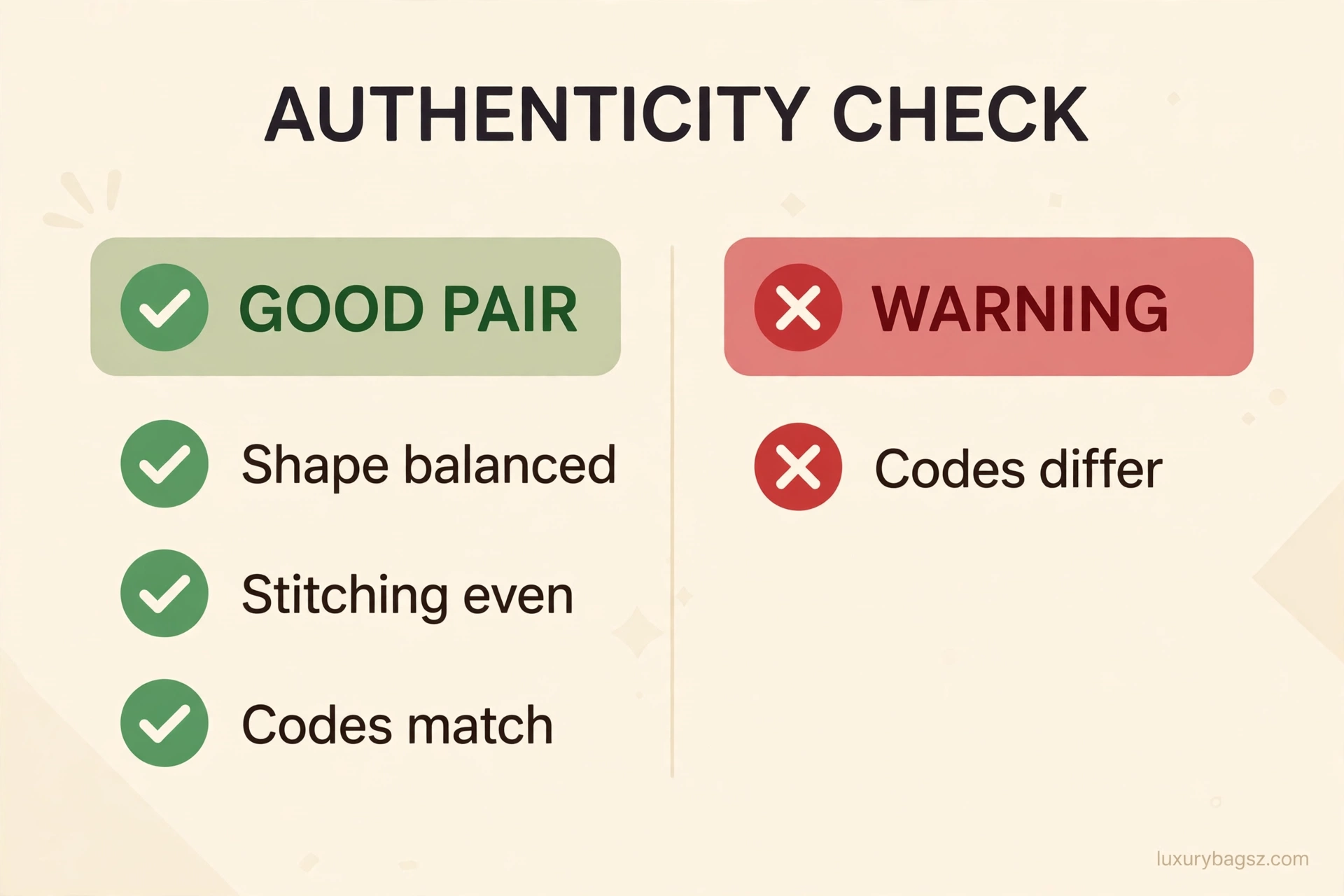
No single detail settles authenticity; fakes copy individual features well. Work through several checks and require them all to agree before money moves. Shape first: a genuine pair has balanced proportions, a toe that is neither bulbous nor pinched, and a heel that curves subtly when viewed from behind. Stitching should be even, with clean panel joins. Logos next: the swoosh shape and placement, the winged logo's depth and spacing, and tongue tag lettering should match official photos of the exact colourway and release. Labels last: the style code, size and production details inside the shoe must match the box label exactly. Our walkthrough of how luxury sneaker reselling works explains why verified platforms earn their fee on valuable pairs.

Buying New and Pre-Owned
New pairs come through Nike's own channels and authorised retailers, often by draw for limited releases. Retail prices vary by cut and edition, with Highs typically the dearest of the three. Resale prices for classics and collaborations run from modest premiums to many times retail for the rarest pairs. Condition grades matter: deadstock means unworn, and prices fall steeply once a pair is worn. Pre-owned buying rules: full photo sets including tags and box, a seller history you can read, and a returns route. A price far below the going rate is the oldest warning in this market. Keep the box and spare laces. Complete pairs resell measurably better, and the box label is part of your own authenticity evidence later.
Care and Keeping Them Wearable
Brush dust off after wear and wipe leather with a slightly damp cloth; our full routine for how to clean sneakers covers soles, laces and suede panels in detail. Rotate pairs rather than wearing one daily. Leather uppers and foam midsoles both last longer with rest days, and creasing slows when the shoe fully dries between wears. Store away from direct sunlight, which yellows white midsoles and fades red panels fastest. Shoe trees are optional for this model; clean, dry storage matters more. Wear them, though. The Jordan 1 ages gracefully, and a gently creased, well-kept pair has more character than a box-fresh one you are afraid to put on.
Frequently Asked Questions
Do Air Jordan 1s run true to size?
Generally yes, in line with standard Nike sizing. Wide feet often prefer half a size up in the High; narrow feet are usually fine at true size.
What is the difference between High, Mid and Low?
Collar height and positioning. The High is the original tall silhouette, the Mid slightly lower and usually cheaper, the Low a trainer-height everyday version.
Why is the Chicago colourway so famous?
It pairs the shoe with Jordan's Chicago team colours in the most reproduced form, white, red and black, and it has anchored retro releases for decades.
How can I tell if a pair is fake?
Check shape, stitching, logo quality, tongue branding for the release, and that inside labels match the box code exactly. Several agreeing checks, or a verified platform, are the safe standard.
What does deadstock mean?
Unworn, in original condition with box and accessories. Deadstock pairs command the highest resale prices; even one outdoor wear changes the grade and the value.
Are Mid versions worth buying?
Yes, for wearing. They offer the look and comfort at lower prices. Collectors prize Highs more, but value for daily wear often sits with the Mid and Low.
How much do Jordan 1s cost?
Retail depends on cut and edition, with Highs at the top of the three. Resale ranges from near retail for general releases to many times retail for rare classics and collaborations.
Do Jordan 1s crease badly?
Leather toe boxes crease with wear; it is normal and expected. Rotating pairs and storing them dry slows it, and most wearers accept creasing as part of the shoe's character.
Can I play basketball in them now?
You can, but modern basketball shoes cushion and support far better. The Jordan 1 is best treated as a lifestyle shoe, which is how almost everyone wears it today.
What should my first pair be?
A classic colourway, Chicago, Bred, Royal or a neutral, in the cut that suits your wardrobe. Buy from an authorised shop or a verified resale route, in your true size first.
Jordan 1s: The Checks Are the Purchase
The Air Jordan 1 earns its status: a 1985 design that still anchors outfits and collections alike. Choose a classic colourway, buy your true size, and treat authenticity checks as part of the purchase, especially pre-owned. Worn often and cared for simply, it is the easiest icon you will ever own.
My day job is bags, not shoes — but pre-owned discipline is the same everywhere. I have examined more than 500 bags, and the habits that protect a bag buyer protect a Jordan buyer too: completeness matters, condition is graded in plain light, and a seller who rushes you is telling you something. Check everything, then enjoy the icon.






