

Céline Bags by Phoebe Philo: Luggage, Trapeze, Classic Box and the Old Céline Era
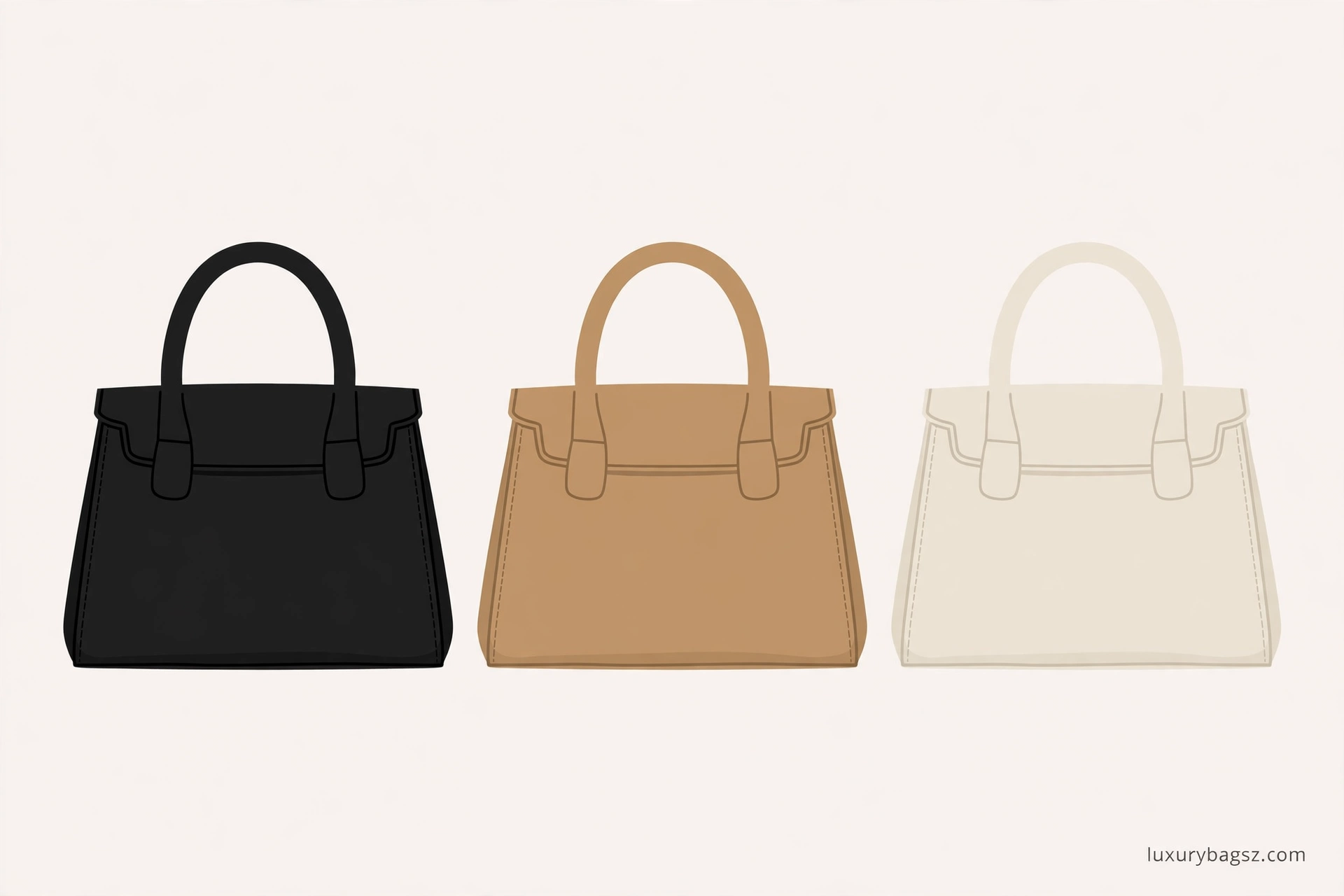
Philo's Céline at a Glance: the Luggage Nano or Classic Box
Phoebe Philo's Céline bags are the foundation of modern quiet luxury: clean lines, superb leather, no visible logos, and shapes designed for real life. If you buy one bag first, choose a Luggage Nano in a neutral leather for everyday use, or a Classic Box in black for evenings and work. If you want a softer shape, the Trapeze or Belt bag gives the same minimal language in a lighter form.
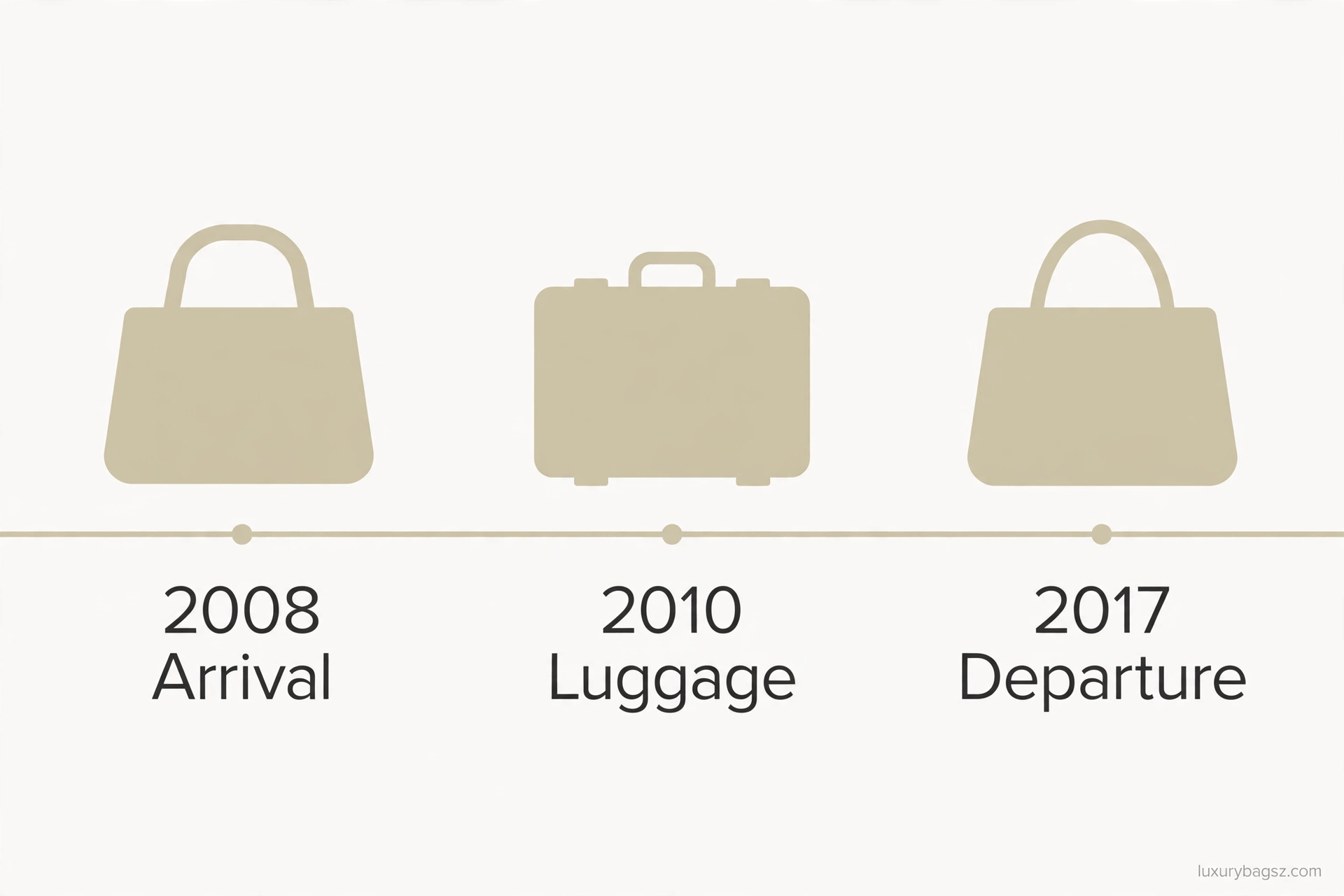
Philo led Céline from 2008 to 2017, and her bags, made in that decade, are now collected as old Céline, a term for the accented, pre-Slimane era. Demand has stayed strong since her departure, with waiting lists, resale premiums for rare colours, and a dedicated collector community. Buy the shape that fits your life, in a colour you will carry for years, and the era's reputation will look after the rest.
Key Takeaways
- Phoebe Philo led Céline from 2008 to 2017, creating the Luggage, Trapeze, Classic Box, Belt, Trio and Phantom bags.
- The Luggage tote, launched in 2010, is her most famous bag, with Nano the most versatile size.
- The Classic Box, Trapeze and Belt bags offer quieter, more structured or softer alternatives to the Luggage.
- Old Céline means the accented, Philo-era house, distinct from Hedi Slimane's later CELINE direction.
- Neutral leathers in excellent condition hold value best; rare colours and limited editions command premiums.
Who Phoebe Philo Was at Céline
Phoebe Philo arrived at Céline in 2008, after reviving Chloé with the Paddington bag, and took over a house that had lost direction under several creative directors. Her condition was to stay in London, travelling to Paris for shows, and her approach was radical in its restraint: muted colours, clean tailoring, heavy leather accessories and no trend-chasing. She set out to design for women like herself, with work, children and a life to carry.
Her first show in 2009 set the tone, with a muted palette and strong leather goods, and the bags that followed redefined luxury for the 2010s. Where other houses pushed logos, Philo pushed cut, leather and proportion, and buyers responded with waiting lists. Our Céline house guide traces the house before and after her, and her decade remains its high-water mark for many collectors.
Philo left after her pre-autumn 2018 collection, replaced by Hedi Slimane, who dropped the accent, changed the logo and took the house in a younger, rock-influenced direction. Some Philo designs survived, but the era as a whole closed, which is why Philo-era bags are now collected as a distinct chapter rather than as current stock.
The Luggage Tote: The Bag That Defined a Decade
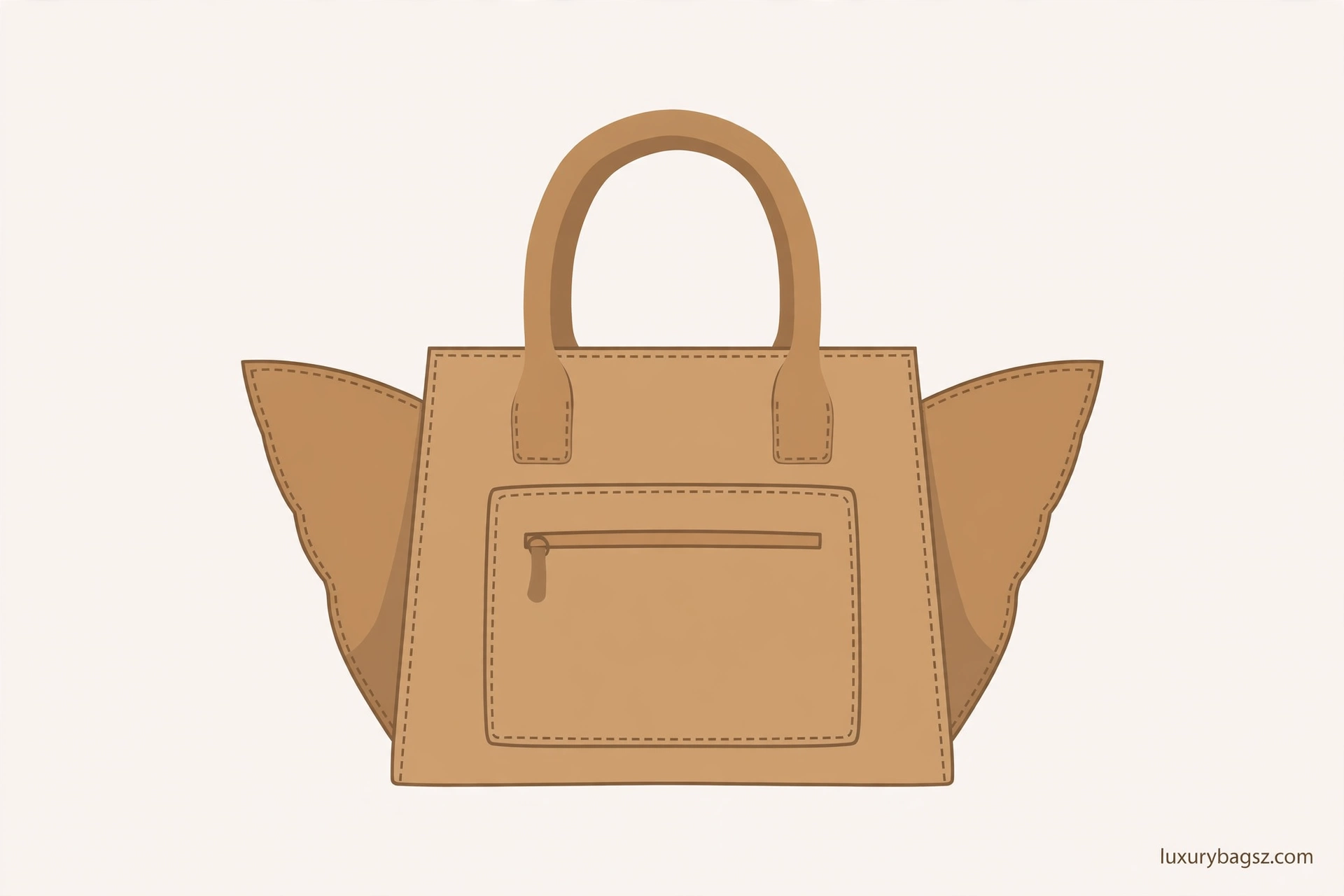
The Luggage tote, launched in 2010, is Philo's most famous creation, a structured tote with winged gussets, a front zip pocket and a face-like front that became instantly recognisable. It was carried by the Olsen twins, Kim Kardashian and countless editors, and it spawned imitations at every price level, a sure sign of a design that had landed.
Sizes run from Nano at about 20 x 20 x 10 cm, through Micro, Mini and Medium, up to large versions, with Nano and Micro the most versatile for daily use.
Drummed calfskin is the classic material, with smooth calfskin, suede and exotic versions appearing over the years, and bicolour and tricolour combinations among the most collectible. Prices for pre-owned Nano bags vary widely by colour and condition, so compare sold listings rather than asking prices.
The Luggage is also the bag to study before buying any Philo piece, because its details, stitching, zip, handles and interior, set the standard for the rest. Read our Luggage guide for sizes and checks, and handle a genuine bag in person if you can, since its weight, structure and leather feel are hard to judge from photos alone.
Trapeze, Classic Box and Belt: The Quieter Icons
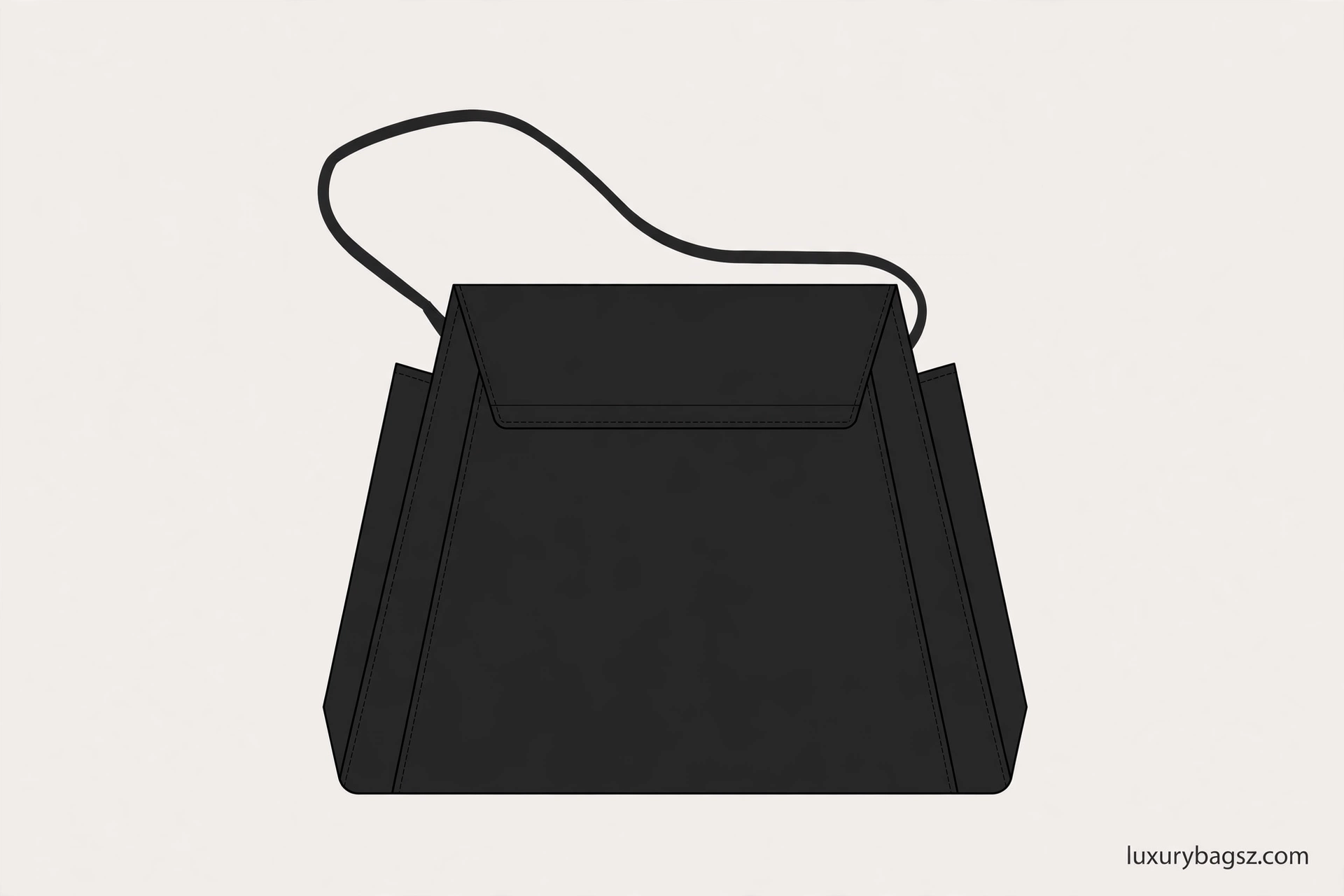
The Trapeze, launched in 2011, is the Luggage's sleeker cousin, a trapezoidal shoulder bag with side panels that can be tucked in or left out, giving two looks in one bag. It suits buyers who find the Luggage too structured or too recognised, and its clean lines make it one of the most wearable Philo designs. Our Trapeze guide covers its sizes and styling in detail.
The Classic Box, revived from the Céline archive, is the evening and work answer: a structured flap bag with a clasp, carried on the shoulder or crossbody, in smooth or grained leather. It is the most formal Philo bag, and the closest to a timeless, logo-free classic, which helps its resale. Black and tan versions are the safest buys, while bicolour editions attract collectors.
The Belt bag, from spring 2015, is the softest of the three, a trapezoidal tote with a knotted belt across the front, in Pico, Nano, Micro and Mini sizes. It shares the Philo language of clean lines and fine leather, but wears more casually than the Box and less conspicuously than the Luggage. Together, the three cover almost every occasion a Philo collector needs.
Trio, Phantom and the Rest of the Philo Wardrobe
The Trio, a set of three zip pouches on a shoulder strap, is Philo minimalism at its purest: no hardware, no logo, just leather and proportion. It works as a light everyday bag or as an organiser inside a larger tote, and its simplicity made it a cult piece, especially in neutral and suede versions. It is also one of the most affordable entries into old Céline.
The Phantom, a softer, larger cousin of the Luggage with the same winged shape, suits travel and work, holding documents and a tablet with ease. The Cabas, a large open tote, and the Frame bag, with its distinctive frame closure, round out the range, each carrying the same restrained language. None matches the Luggage's fame, but all reward buyers who prefer quiet design.
Philo's influence extended beyond bags, into boxy coats, silk slip dresses, wide trousers and the famous spring/summer 2011 pyjama shirt, but the bags remain the easiest way into the era. They were designed as a wardrobe, not as isolated trophies, and they still work together, in muted colours and fine leathers, a decade on.

Buying Old Céline Pre-Owned: What to Check
Old Céline bags trade on reputable resale platforms, in boutiques and through specialist dealers, with prices driven by model, size, colour and condition. Rare colours, such as bright reds, fluoro accents and limited bicolour combinations, command premiums, while black, tan and grey sell steadily. Our vintage investment guide explains how condition and rarity interact.
Authentication starts with the details Philo's team obsessed over: even stitching, clean edges, weighty hardware, a neat Céline stamp with the accent on pre-2018 bags, and leather that feels substantial. Ask for photos of corners, handles, base, interior, stamp and any date or serial codes, and compare dimensions with published guides, since fakes often run taller or lose the crisp shape.
Buy from sellers with a return window and a clear authentication process, and keep the listing, dust bag and any cards together. A Philo bag without its strap, or with a distorted shape, loses value quickly, while a complete bag in excellent condition holds its place. If a price looks far below market for a sought-after colour, treat it as a warning, not a bargain.

Which Philo Bag Suits Your Life
For everyday minimal carry, the Luggage Nano or the Trio is the answer, small enough to stay light, distinctive enough to carry an outfit. For work, the Luggage Micro or Mini, the Phantom or the Belt Micro gives room for documents and a tablet without a corporate look. For evenings, the Classic Box or a small Trapeze, in black or tan, is the polished choice.
Consider weight as well as size. Philo bags are made from substantial leather, and larger Luggage and Phantom bags grow heavy when full, which matters for long days. Try the bag with your real load, check the shoulder drop, and favour a strap option if you walk or commute. A beautiful bag you leave at home is a poor investment.
Compare the Luggage with later CELINE designs before buying, since Slimane's Triomphe line offers a different, logo-led language. Our comparison of Luggage versus Triomphe helps here, but the choice is simple: Philo for quiet structure, Triomphe for visible branding. Most old Céline collectors know which side they are on.
Care, Storage and Keeping Old Céline Looking New
Care for Philo bags is gentle and regular, since their appeal rests on leather quality rather than decoration. Wipe with a soft, dry cloth, keep bags stuffed to hold their shape, and store them in dust bags away from sun, heat and damp. Structured bags need stuffing most, since an empty Luggage or Box can slump and lose its line.
Protect suede interiors and lighter leathers with pouches for pens, makeup and liquids, and avoid overfilling, which strains handles, zips and flaps. For scuffs, stains or hardware wear, use Céline or a reputable leather specialist, and keep spare straps, dust bags and cards together. A complete, well-kept Philo bag is both easier to use and easier to sell.
Finally, wear them. Philo designed these bags for daily life, not for display, and their leather improves with careful use, developing a soft patina that suits the minimal design. A Luggage Nano carried for years, kept clean and stuffed, is the best tribute to an era that valued wearability above all.
Frequently Asked Questions
1. When did Phoebe Philo lead Céline? She was creative director from 2008 to 2017, leaving after her pre-autumn 2018 collection.
2. What does old Céline mean? It means the accented, Philo-era house from 2008 to 2017, distinct from Hedi Slimane's later CELINE direction.
3. What is Philo's most famous Céline bag? The Luggage tote, launched in 2010, with its winged gussets and face-like front, is her most famous design.
4. Which Luggage size is most versatile? The Nano, at about 20 x 20 x 10 cm, suits everyday minimal carry, while Micro adds room for work.
5. What is the Classic Box bag? A structured flap bag revived from the Céline archive, carried on the shoulder or crossbody, and the most formal Philo design.
6. Is the Trapeze still a good buy? Yes, its clean trapezoidal shape, tuck-in side panels and quiet look make it one of the most wearable Philo bags.
7. How do I authenticate an old Céline bag? Check even stitching, clean edges, weighty hardware, a neat accented stamp, correct dimensions and a soft, well-finished interior.
8. Which Philo colours hold value best? Black, tan and grey sell steadily, while rare bright and bicolour combinations command premiums among collectors.
9. Are Philo bags still in production? Some designs, like the Belt bag, survived under Slimane, but most Philo-era bags are now bought pre-owned.
10. What should I buy first from Philo's Céline? A Luggage Nano in a neutral leather for everyday use, or a Classic Box in black for evenings and work.
Conclusion: Philo's Bags Were Designed for Life, Not for Show
Phoebe Philo's Céline bags endure because they were designed for women with lives to lead, not for photographs alone. The Luggage, Trapeze, Classic Box and Belt share one idea: superb leather, clean proportion and no need to shout. Choose the shape that fits your day, in a neutral colour, buy it authenticated and complete, and you own a piece of the decade that taught luxury to whisper.






