

Are Leather Jackets Warm? The Honest Answer by Lining and Weather
Are Leather Jackets Warm, in Brief
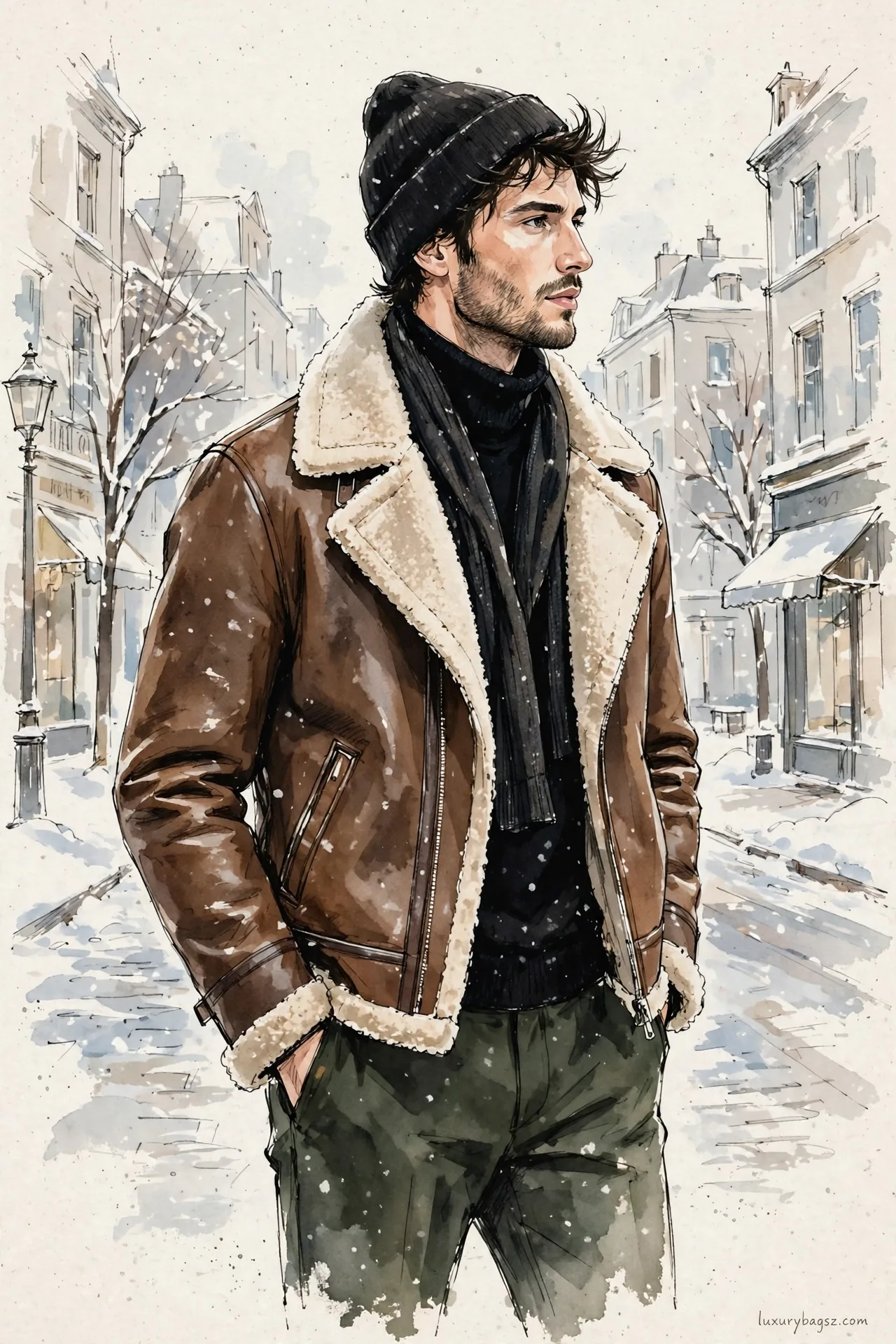
Yes, but with conditions. Leather blocks wind brilliantly, yet on its own it adds little insulation. Most of a leather jacket's warmth comes from what is inside it: the lining, the fill, or the shearling.
A lightly lined jacket is comfortable in the 50s and 60s Fahrenheit. A quilted lining with a sweater underneath handles the 40s. For real winter, below freezing, you need a jacket built for it: down-filled or genuine shearling.
So the question is not whether leather jackets are warm in general, but whether your specific jacket is warm enough for your winter. Lining, leather weight, fit and layers decide that, not the word leather alone.
Key Takeaways
- Leather blocks wind well but insulates little on its own.
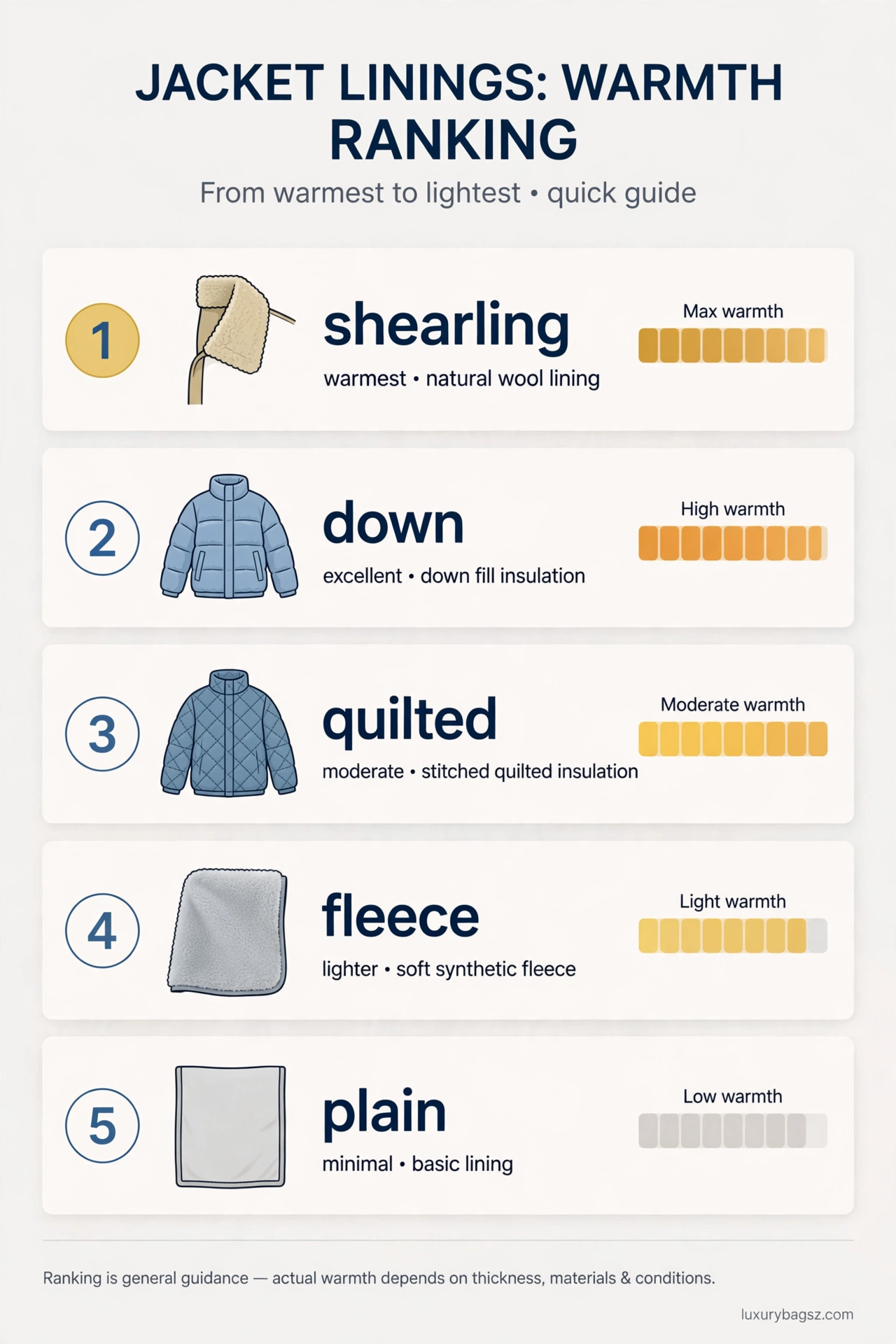
- Lining does the heavy lifting: shearling warmest, then down, quilted, fleece, then plain lining.
- Lightly lined jackets suit 50s and 60s; quilted plus a sweater suits the 40s.
- Below freezing, choose shearling or down-filled leather, or switch to a winter coat.
- A snug fit with room for thin layers keeps warm air in and cold air out.
Why Leather Feels Warm, and Where It Falls Short
Leather is a dense, solid hide with no open weave, so wind has little way through it. On a raw, windy day, that wind-blocking alone makes a leather jacket feel far warmer than the thermometer suggests.
What leather does not do well is trap air, and trapped air is what keeps you warm. Most jacket leather is thin, often under a millimetre for lambskin, and it has no loft. On its own, it holds about as much heat as a heavy shirt.
That is why two leather jackets can feel completely different in the same weather. A thin, unlined fashion jacket and a shearling coat are both leather jackets, but one is for a spring evening and the other was built for bomber crews at altitude.
Linings, Ranked by Warmth
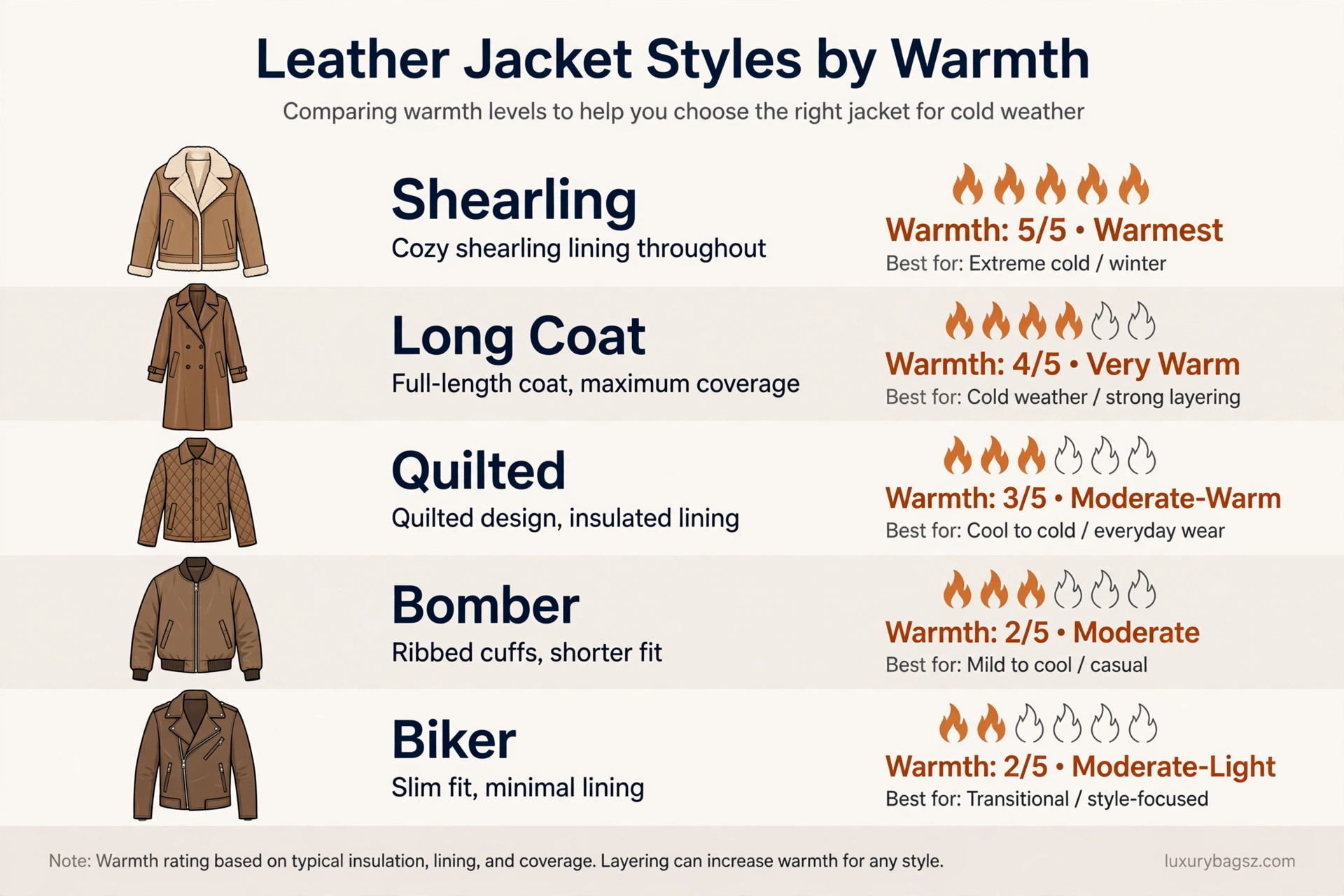
Genuine shearling is the warmest lining available. It is sheepskin with the wool left on, wool side facing in for insulation and hide side facing out for wind protection. It is also the bulkiest and most expensive option.
Down fill comes next, offering serious warmth with less bulk than shearling. Down-filled leather jackets handle deep cold well, provided the fill is generous and the jacket seals at cuffs, hem and collar.
Quilted linings sit in the middle. Stitching creates pockets that trap air, adding noticeable warmth over a plain lining without much bulk. Quilted jackets suit cool to cold weather, especially with a sweater underneath.
Fleece and sherpa linings add lighter insulation, good for autumn and mild winter. A plain cotton, polyester or silk lining adds almost no warmth, and jackets with those linings are best treated as cool-weather shells.
A Temperature Guide You Can Use
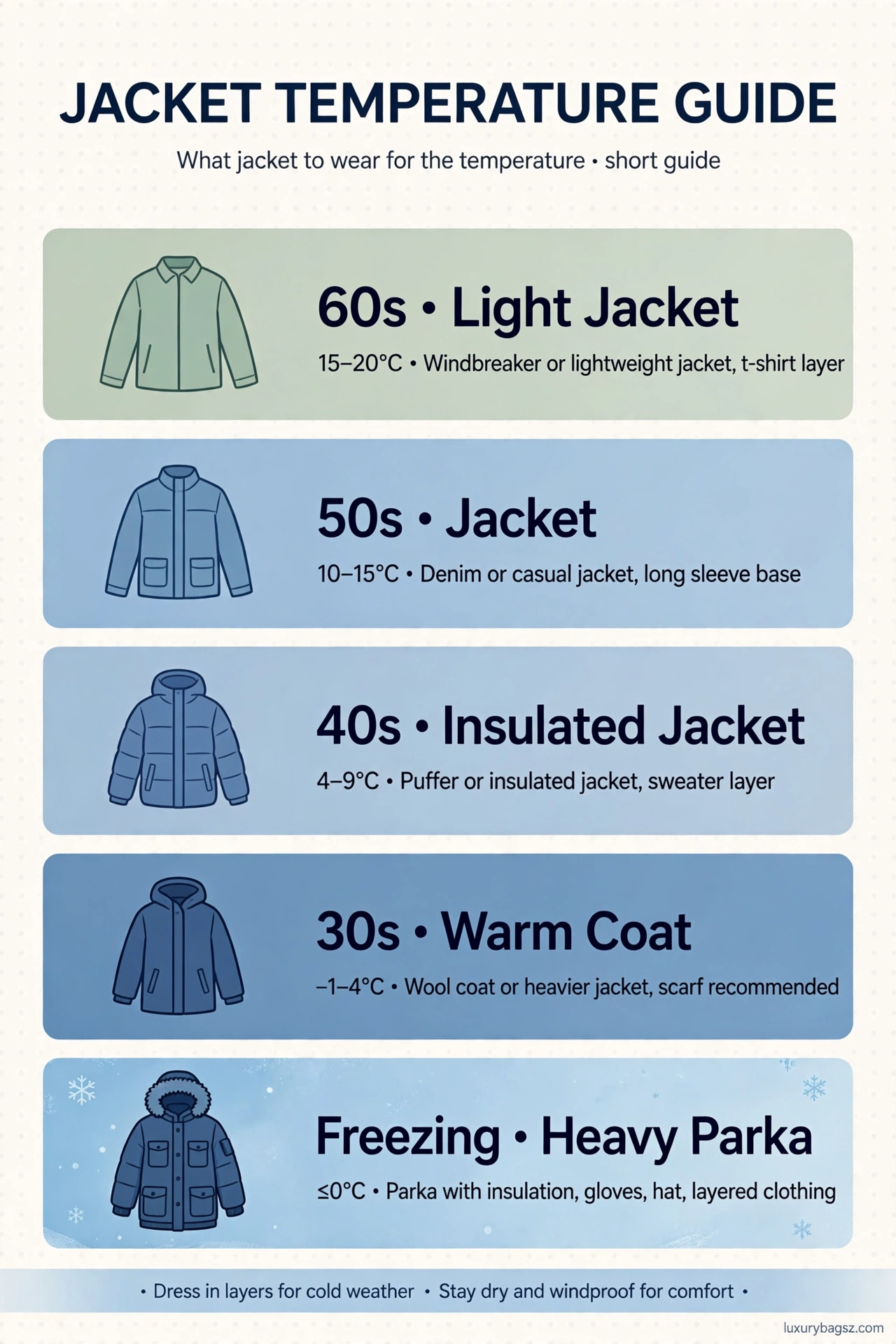
With light wind and a normal amount of time outside, use this rough guide, adjusting a row either way if you run warm or cold. Add wind, and drop a row colder, since wind strips heat fast.
In the 60s and above, an unlined or lightly lined leather jacket over a tee is comfortable. In the 50s, the same jacket over a long-sleeve shirt or light knit works well, especially in calm weather.
In the 40s, choose a quilted or fleece-lined jacket with a sweater underneath. In the 30s, you need a heavier lining, a warm mid-layer and sealed cuffs and collar to stay comfortable for long.
Below freezing, only shearling or down-filled leather jackets, well layered, are genuinely comfortable. In extreme cold, wind chill or prolonged exposure, even those may need help, and a dedicated winter coat is the safer choice.

Layering: How to Make Any Leather Jacket Warmer
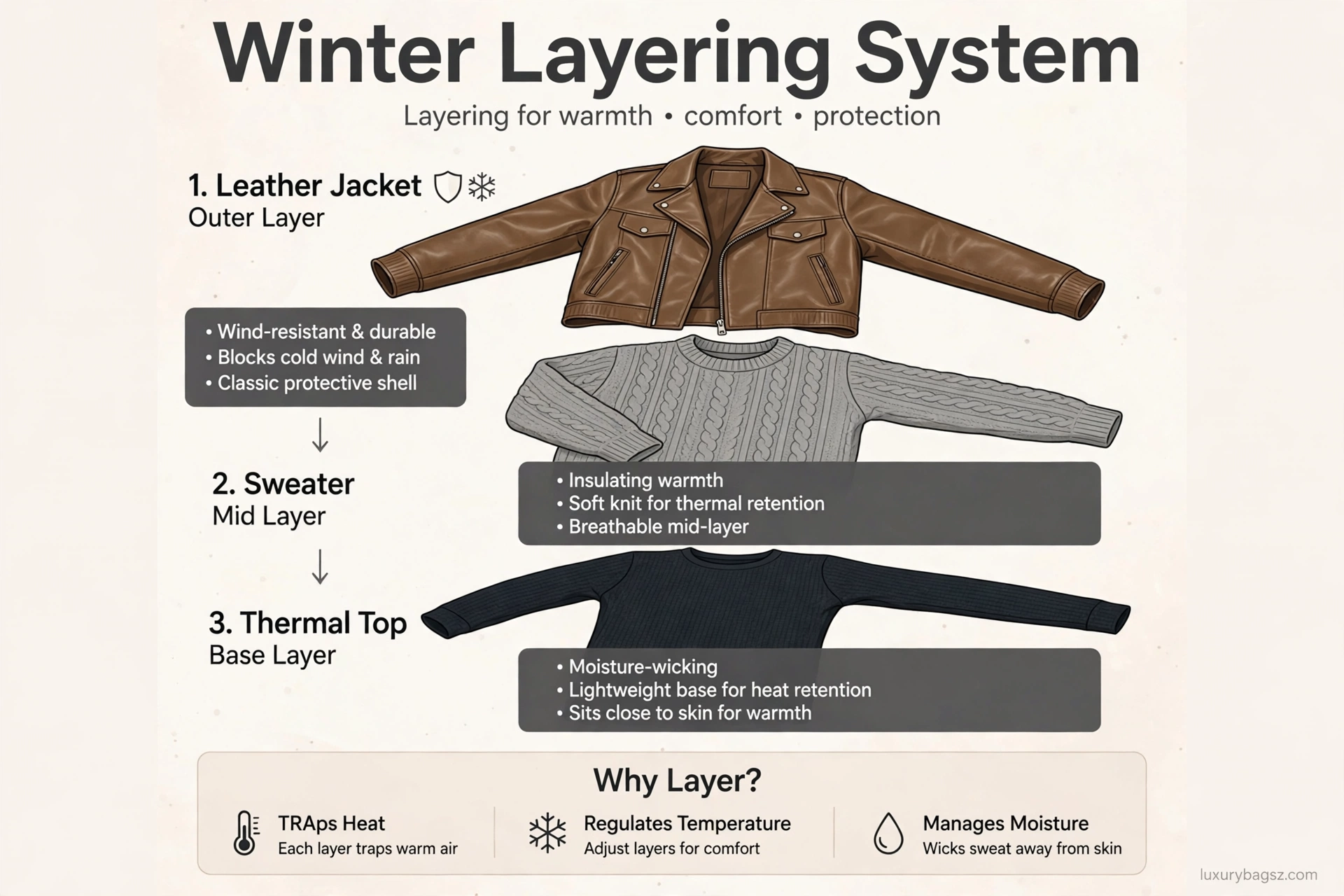
Layering turns a cool-weather jacket into a cold-weather one, provided the jacket has room for it. Start with a moisture-wicking thermal or merino base layer to keep skin dry, since damp skin chills fast.
Add a mid-layer next: a wool sweater, a fleece or a light hoodie, depending on the jacket's room. The mid-layer traps air and provides the insulation the leather shell lacks, while the leather blocks wind outside it.
The jacket itself is the outer shell, holding warmth in and wind out. Seal the gaps: close cuffs, raise the collar, and cinch the hem where possible, since open cuffs and waists let warm air escape quickly.
Do not over-layer to the point of restriction. A jacket stuffed so full you cannot move will compress its insulation and feel colder, not warmer. Thin, warm layers beat one bulky layer that squeezes the fit.
Warmest Styles, and Least Warm Styles
Shearling jackets and shearling-lined bombers are the warmest leather styles, built for real cold with thick insulation and wind-blocking hides. They are heavy and warm, and they suit winter days best.
Down-filled leather bombers and longer leather coats come next. Bombers seal well at cuffs and waist, while longer coats cover the hips and thighs, retaining more heat than cropped styles.
Quilted biker jackets offer moderate to high warmth, with a fitted shape that keeps air close to the body. Unlined biker and racer jackets, by contrast, are among the least warm, despite their tough look.
Long leather trench coats cover more of the body and retain heat well, but only if lined. An unlined long coat blocks wind over a larger area, yet still insulates little without a warm lining or layers underneath.
Leather Weight, Fit and Sealing
Heavier leathers, such as cowhide, block wind more effectively than thin lambskin or goatskin, but they are stiffer and heavier to wear. Thicker hides feel warmer in wind, though the difference is smaller than the lining difference.
Fit affects warmth directly. A jacket that is too loose lets cold air circulate inside, while a snug but not restrictive fit keeps warm air close to the body, with room for thin layers underneath.
Sealing points matter as much as lining. A snug collar, closed cuffs and a hem that cinches all keep heat in, while an open waist and loose cuffs let it out. Check these details when buying for winter.
Length also helps. A jacket that covers the hips retains more heat than a cropped biker that leaves the lower torso exposed. For cold commutes, a slightly longer jacket is a practical, if less edgy, choice.
Rain, Snow and Wet Leather
Leather is not naturally waterproof. Some jackets have a water-resistant finish that helps in light rain or snow, but that is not the same as waterproof, and heavy rain will soak through eventually.
Wet leather feels colder, since water conducts heat away from the body. If your jacket gets soaked, dry it slowly at room temperature, away from radiators and heaters, which crack and stiffen the hide.
For wet winter days, a waxed or treated leather jacket, or a winter coat over a waterproof layer, is a better call than an untreated fashion jacket. Shearling also suffers when soaked, losing insulation until fully dry.
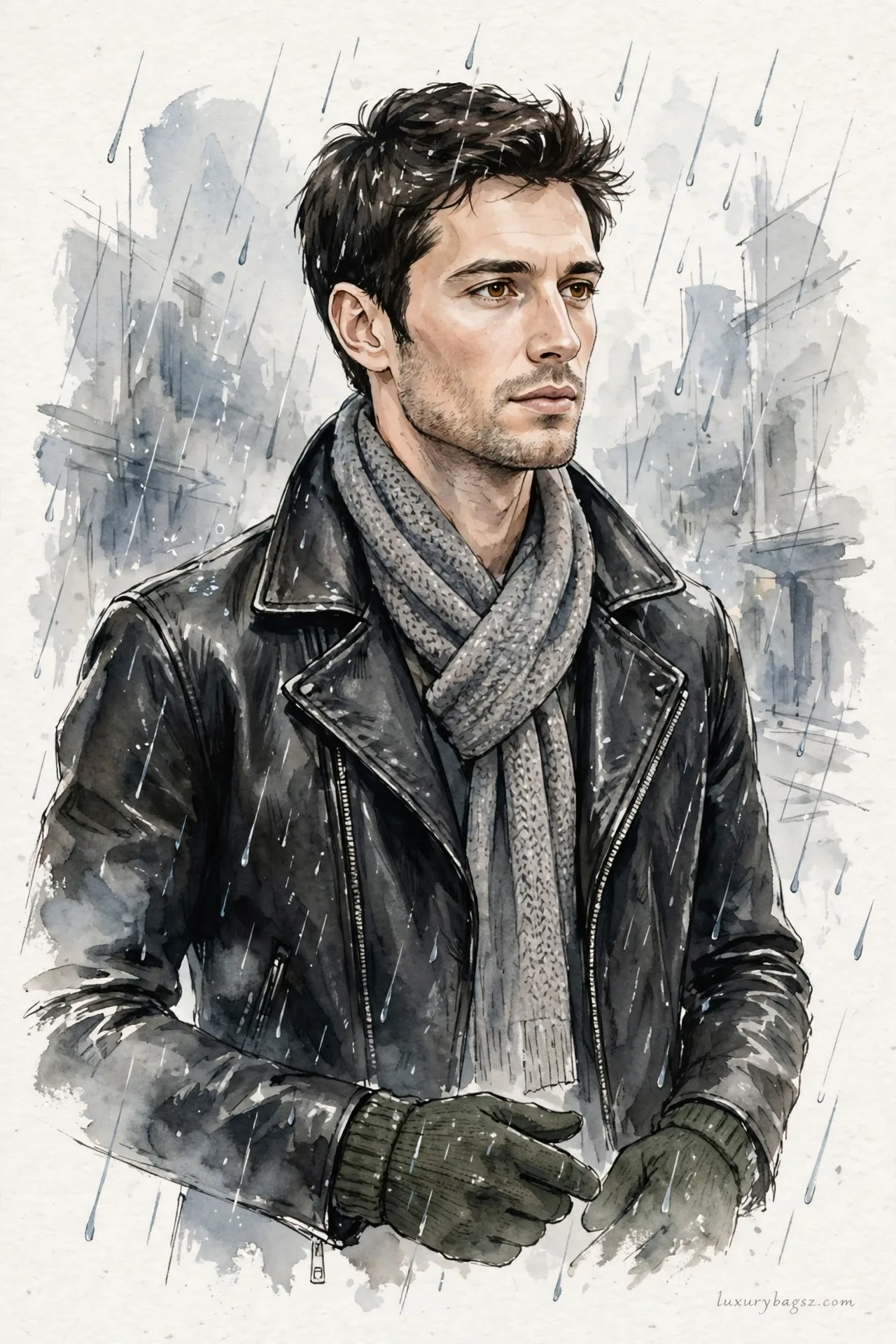
Carry a scarf, gloves and a hat on wet, cold days regardless of jacket. Extremities lose heat fast, and a warm jacket cannot compensate for bare hands and an uncovered head in wind and snow.
Buying for Your Winter, Not Someone Else's
Match the jacket to your climate honestly. If your winter is mild, like Charlotte or Nashville, a lined jacket with a good sweater covers most days. If your winter is Denver, Chicago or Bozeman, you need down or shearling.
Check the lining before the leather when buying for warmth. Ask what the lining is, whether it is removable, and whether the jacket has sealed cuffs and collar. A removable thermal lining gives two jackets in one, for autumn and winter.
Try the jacket on with the layers you will actually wear. A jacket that fits over a tee but not over a sweater will leave you cold, however warm its lining claims to be. Buy for the layered fit, not the bare fit.
Finally, know when to switch. A leather jacket can handle most winter days with the right build and layers, but in blizzards, sub-zero wind chill or prolonged outdoor work, a down parka or technical winter coat will outperform it. That is not a failure of leather, just a limit of it.
Frequently Asked Questions
Are leather jackets warm in winter?
It depends on the jacket. Shearling and down-filled leather jackets are warm in winter, quilted jackets handle moderate cold with layers, and unlined jackets are not warm enough for real winter.
What is the warmest leather jacket lining?
Genuine shearling is warmest, followed by down fill, then quilted, fleece and sherpa linings. A plain cotton or polyester lining adds almost no warmth on its own.
Can you wear a leather jacket below freezing?
Yes, if it is shearling or down-filled, well layered, and sealed at cuffs, collar and hem. An unlined or lightly lined jacket below freezing will feel cold, however tough it looks.
Is a leather jacket warmer than a wool coat?
Not necessarily. Leather blocks wind better, but wool coats often insulate better through loft and length. A lined leather jacket competes well in wind, while a heavy wool coat wins in still, deep cold.
Does leather keep you warm in wind?
Yes, very well. Leather's dense, solid hide stops wind effectively, which is why leather jackets feel warmer than the thermometer suggests on windy days, even with light lining.
What should you wear under a leather jacket in winter?
A thermal or merino base layer, plus a wool sweater or fleece mid-layer, works best. Keep layers thin enough that the jacket still closes comfortably without compressing insulation.
Are lambskin jackets warm?
Lambskin is soft and light but thin, so lambskin jackets are usually less warm than cowhide versions, unless they have a warm lining. They suit mild cold and layering, not deep winter alone.
How do you keep a leather jacket warm in rain?
Choose a treated or waxed finish for wet days, layer warmly underneath, and dry the jacket slowly at room temperature if it gets wet. Avoid radiators, which damage the leather.
Is a shearling jacket too warm for autumn?
Often, yes, for mild autumn days. Shearling suits cold winter weather best. For autumn, a quilted or lightly lined leather jacket is usually more comfortable and versatile.
Should you buy a leather jacket for winter or a parka?
Buy leather for style, wind protection and moderate to cold winters with the right lining. Buy a parka for extreme cold, prolonged exposure or heavy snow, where loft and coverage matter most.
Summary
Leather jackets are warm when the build matches the weather: wind-blocking leather outside, real insulation inside, and sensible layers underneath. Choose shearling or down for deep winter, quilted for moderate cold, and light linings for autumn. Judge a jacket by its lining and fit, not by its leather alone, and you will never be caught cold in it.






