

Affordable Designer Brands Guide: Entry Prices and What Your Money Honestly Buys
Affordable Designer in Brief: A Real Tier, Not a Consolation
Affordable designer means the contemporary tier: real design houses selling bags mostly between roughly £150 and £600 and clothing between £100 and £500, below the heritage luxury houses and far above fast fashion. What the money honestly buys is design, decent materials and finishing that survives years, not decades of heirloom life or strong resale. Buy this tier for wearing and enjoying, choose its proven strengths, and it is the smartest-spent money in fashion.
Key Takeaways
- Contemporary brands sit between high street and luxury: Coach, Tory Burch, Kate Spade, Sandro, Maje, Ganni, Self-Portrait and their peers.
- Strengths differ by brand: some excel at bags, others at dresses, knitwear or jewellery.
- Quality is real but not heirloom-grade; judge leather, stitching and hardware in hand.
- Sales, outlets and pre-owned cut this tier's prices deeply and often, so full price is rarely required.
- Resale values are soft: buy to wear, and cost per wear becomes excellent.
- One well-chosen contemporary piece beats three fast-fashion imitations every season.
What Affordable Designer Actually Means
The contemporary tier is defined by price and intent: original design, branded stores and seasonal collections, at prices a careful saver can reach without financing the purchase. Typical ranges: bags around £150 to £600, dresses £150 to £500, shoes £100 to £350, knitwear £120 to £300. Heritage luxury starts where these ranges end, often several times higher. The tier is crowded, and quality varies more within it than price suggests. The skill is knowing which brands genuinely make things well and which mostly market well. This guide closes our wider coverage with the honest version: where the tier shines, where it cuts corners, and how to spend in it without regret.
How the Tiers Compare
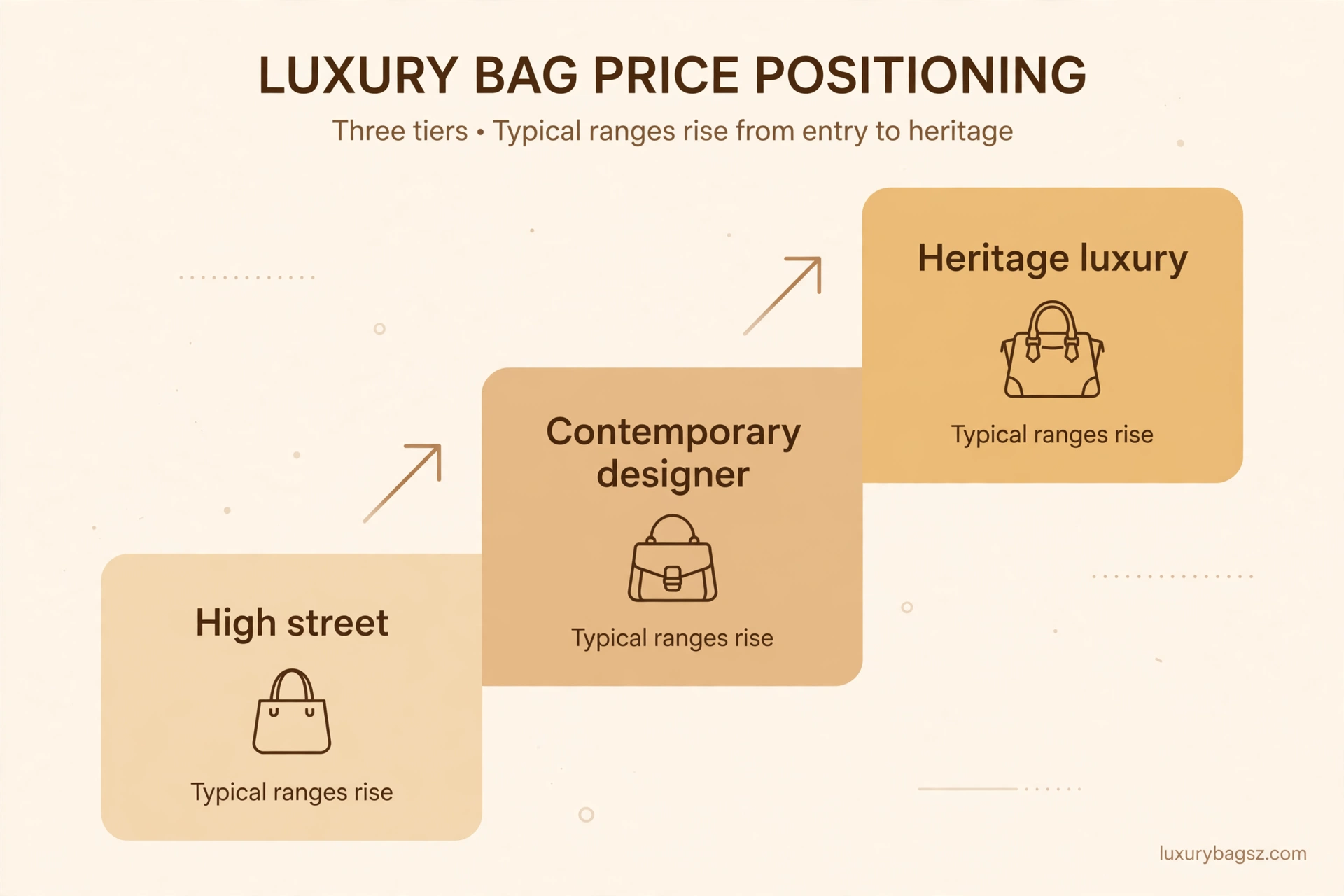
High street copies chase the look for a season, using cheaper materials and construction that often shows within months. For a one-event piece, that trade can still make sense. Contemporary designer buys better cloth, leather and making, plus design teams creating rather than copying. Pieces should serve for years of regular wear with normal care. Heritage luxury adds rarer materials, hand finishing, repairable construction and resale strength. The jump is real, but it is a jump in degree and longevity, not in basic decency. Most wardrobes sensibly mix all three: high street for experiments, contemporary for the working core, luxury for the few pieces kept for a decade or more.
What the Money Buys, and What It Does Not
It buys design first: a considered shape, a colour palette that belongs to a collection, and details, a clasp, a seam, a print, that fast fashion copies rather than creates. It buys materials a step up: real leather on most bags at the upper end of the tier, natural fibres appearing in clothing, metal hardware with some weight instead of hollow plastic. It does not buy the top of any craft: expect good machine making, not hand-finishing; sound leather, not the finest hides; and hardware that is plated, not solid. It also does not buy investment value. With rare exceptions, contemporary pieces resell at a fraction of retail, so the return is measured in wears and pleasure, not in pounds recovered.
Bags: The Tier's Strongest Category
Bags are where contemporary brands compete hardest, and the results show. Full-leather crossbodies and totes from the strong names carry daily use for years. Our edit of designer bags under £1,000 spans the top of this tier into entry luxury, while designer handbags under £500 stays inside true contemporary budgets. Judge a bag by leather smell and hand-feel, stitching regularity, edge finishing and whether the lining is cloth or a wipeable synthetic that will outlast it. Logos vary from loud to invisible at this level. The quiet designs age better, mix with more outfits and survive brand-fashion swings that date the loud ones.
Brands by Strength: A Practical Map
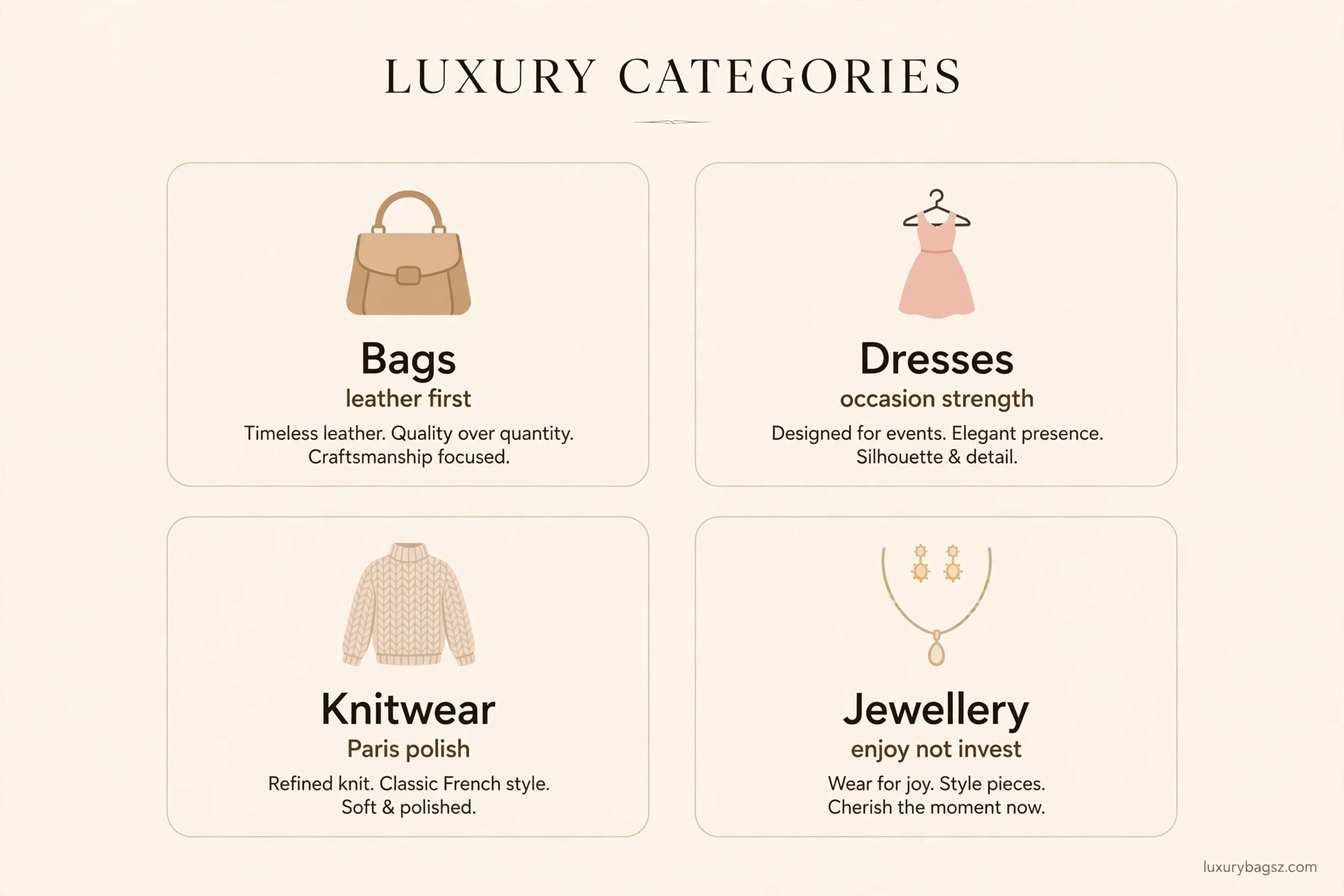
For leather bags, start with the houses built on them: our guide to Coach bags covers the tier's leather benchmark, with Tory Burch, Kate Spade and Longchamp as natural comparisons. For occasion dresses, the name to know is covered in our piece on Self-Portrait dresses: lace and structure at prices the couture names would multiply by five. For knitwear, tailoring and Parisian polish, look to the French contemporary names such as Sandro, Maje and Claudie Pierlot; for colour and print energy, Ganni leads its pack. For jewellery and watches, the tier offers fashion-led pieces to enjoy rather than keep forever. Buy them as costume jewellery with better making, priced accordingly, and they will not disappoint.

Quality Checks Before You Pay
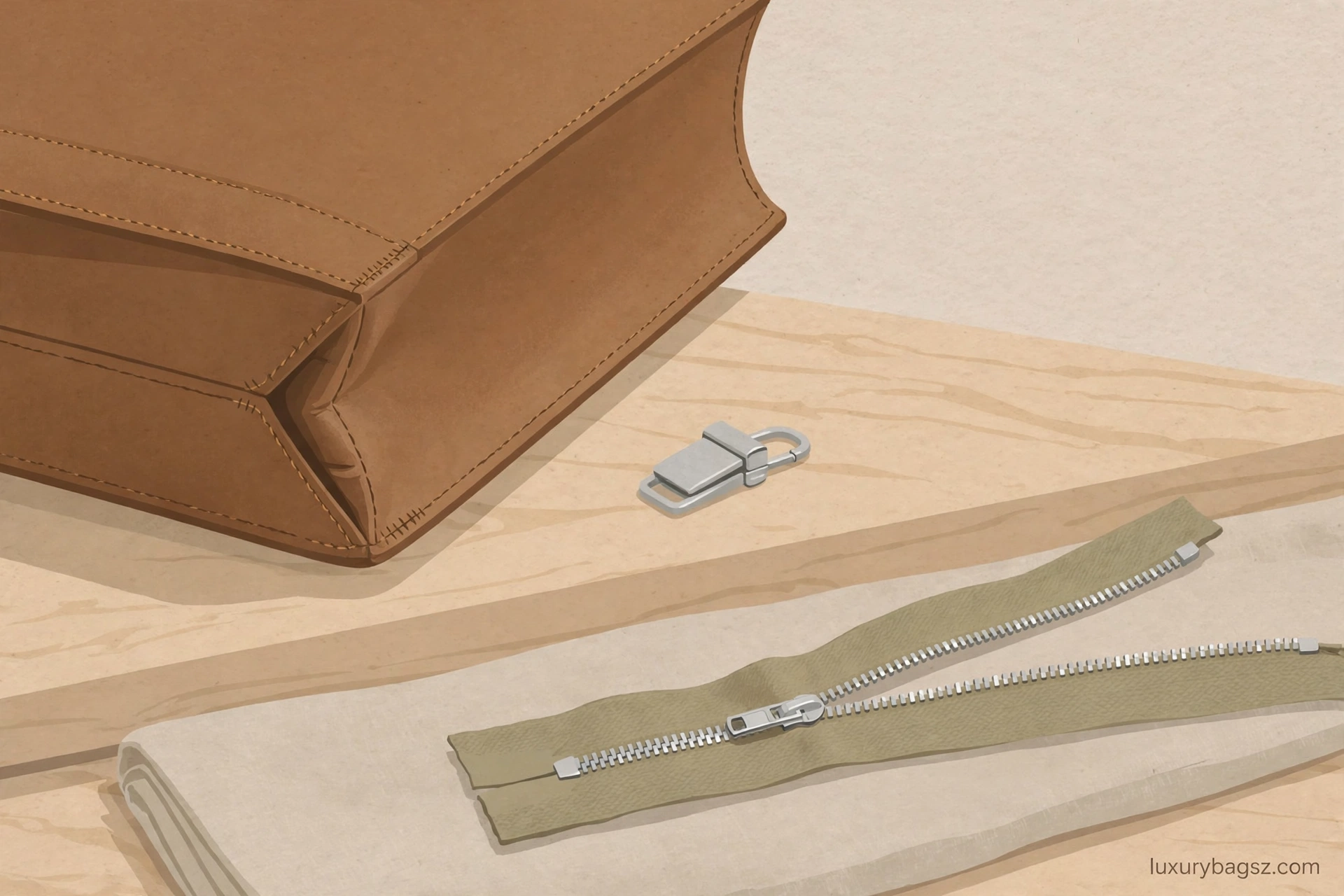
In hand, run the same checks you would at any tier: even stitching with no loose ends, zips that glide, hardware that closes with a clean, positive action. Read the materials label, not the marketing card. A bag described as leather-look or a dress high in unnamed synthetics should be priced as such, whatever the brand. Check linings and inside pockets; corners are where cheap making hides. A bag lined in thin, crackly cloth will annoy you long after the outer leather has charmed you. Try clothing on and sit, reach and walk. Contemporary cutting is generally good, but fits vary sharply between the French, American and Scandinavian names in this tier.
Paying Less: Sales, Outlets and Pre-Owned
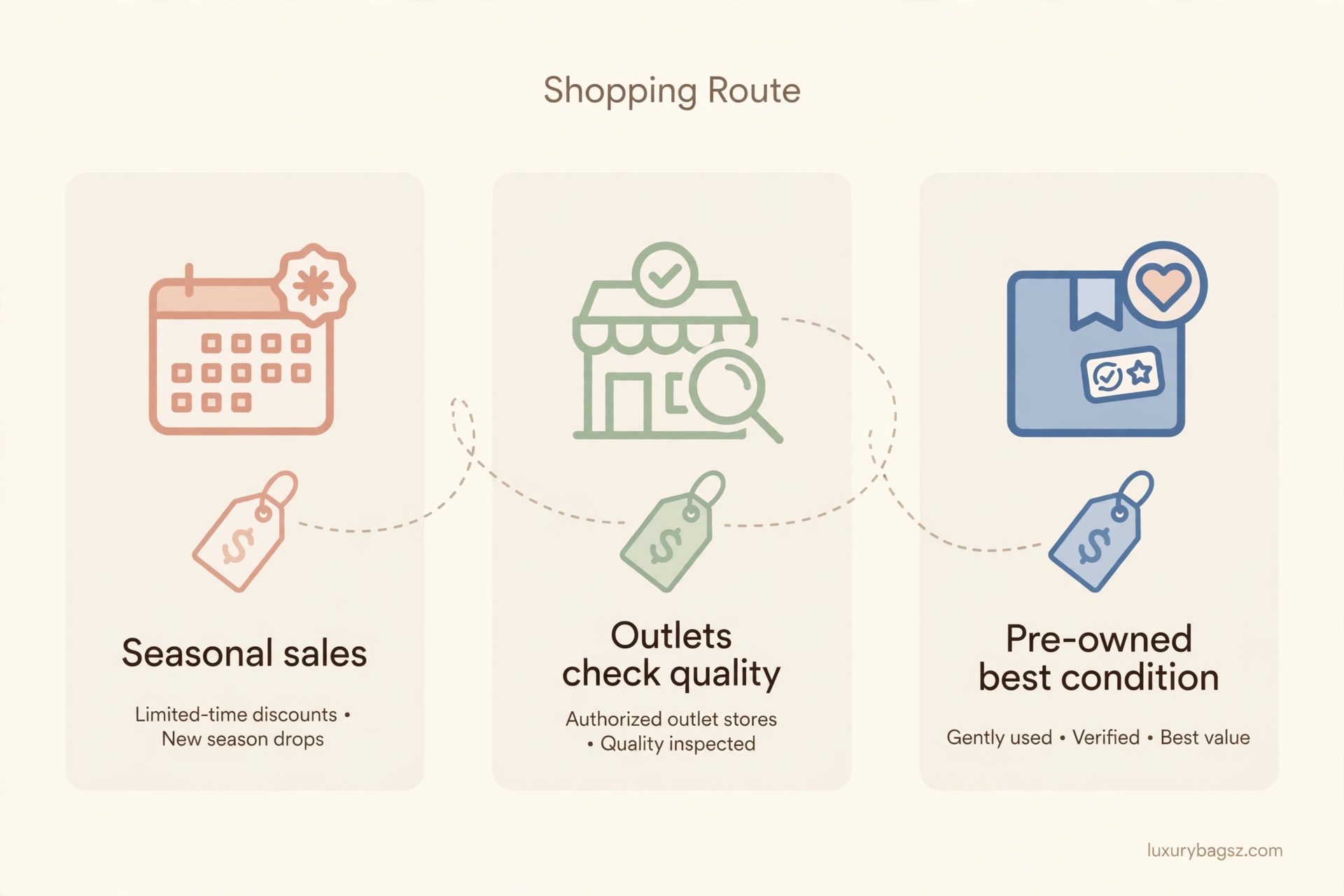
This tier discounts like clockwork: end-of-season sales commonly reach a third to half off, and waiting six weeks for a non-urgent piece is the easiest saving in fashion. Outlet lines need care. Some are past-season mainline stock at true bargains; some are made-for-outlet ranges with quieter quality. Judge the piece in hand, not the ticket's claimed discount. Pre-owned is abundant and cheap for contemporary brands, because supply is high and resale values soft. That is a buyer's gift: near-new bags and dresses at high-street prices. Buy the best condition, in classic colours, from sellers with returns. At these prices, one careful pre-owned purchase often beats a full-price gamble.
Building a Wardrobe on This Tier
Start with the pieces you touch daily: one leather bag in a neutral colour, one pair of well-made shoes, and knitwear or a coat in the best cloth you can reach. Add occasion strength next: one dress that solves weddings and parties, in a colour that suits you rather than the season. Keep experiments cheap. Trends you are unsure of belong to the high street; the contemporary budget should fund the repeat-wear core of your wardrobe. Reviewed yearly, a contemporary-tier wardrobe costs less than constant fast-fashion replacement and looks better every single year. That, honestly delivered, is what affordable designer means.
Frequently Asked Questions
Which brands count as affordable designer, and how much should a bag cost?
The contemporary tier: Coach, Tory Burch, Kate Spade, Michael Kors, Longchamp, Sandro, Maje, Ganni, Self-Portrait and similar houses priced below heritage luxury brands.
Most sit between roughly £150 and £600 at full price, with leather quality improving toward the top of that range. Sales and pre-owned listings reduce it sharply.
Is the quality actually better than the high street?
At the strong brands, yes: better leather and cloth, more even making and designs that originate rather than copy. Judge piece by piece; the tier's weaker names trade on marketing.
Do affordable designer pieces hold their value, and what should you buy first on a small budget?
Generally no. Resale prices are a fraction of retail, so buy to wear. The upside is excellent cost per wear and cheap pre-owned buying for the next owner, who could be you.
A leather bag in a neutral colour from a leather-strong brand, bought on sale or pre-owned. It is the tier's best value and the piece you will use most.
Are outlet versions worth buying, and when is the best time to buy?
Sometimes. Past-season mainline stock can be a true bargain; made-for-outlet ranges may be quietly lower quality. Inspect materials and making rather than trusting the discount label.
End-of-season sales, when discounts commonly reach a third to half. This tier discounts predictably, so full price should be reserved for pieces you need immediately.
How can I tell a good contemporary bag in a shop?
Real leather with a natural feel, even stitching, smooth zips, finished edges and a lining with substance. Weight in the hardware is another quick, honest signal.
Is affordable designer the same as premium high street?
They overlap, but designer-tier brands run their own design houses and collections. Premium high-street lines are ranges inside mass retailers; quality there varies line by line.
Can a whole wardrobe come from this tier?
Yes, and many good wardrobes do. Mix in high-street experiments and, if budget ever allows, one or two luxury keepers; the contemporary core will carry your daily style.
Conclusion: Spend Where the Wearing Is
Affordable designer is fashion's honest middle: real design and decent making at reachable prices, without heirloom promises or resale myths. Buy each brand for its proven strength, check quality in hand, wait for sales, and let cost per wear, not logos, judge the result.






