

Lady Fozaza at the Dubai World Cup: Hats, Blazers and Race-Day Drama
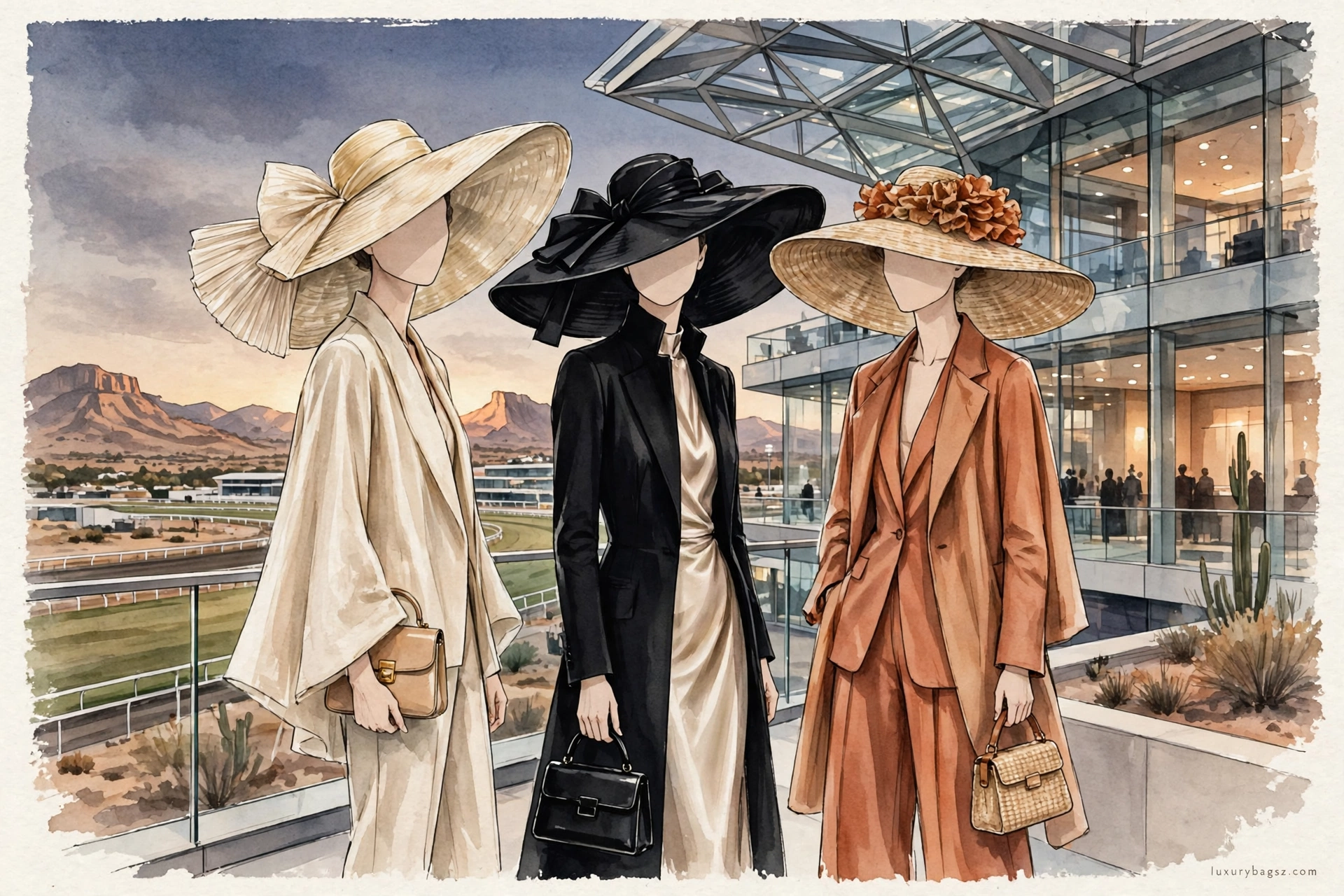
Lady Fozaza at Meydan in Brief: One Designer, One Signature
At the Dubai World Cup, one regional designer name recurs in the style coverage: Lady Fozaza, the label of Saudi designer Alanoud Badr, whose race-day formula of statement millinery over sharp tailoring suits Meydan perfectly.
This piece keeps its focus tight — one designer at one event — and explains why her hats-and-blazers approach wins at the world's richest race meeting, and how to borrow it.
Key Takeaways
- Lady Fozaza is the label of Alanoud Badr, a Saudi designer based in Dubai.
- The brand is best known for statement blazers; her race-day styling adds dramatic hats.
- Dubai World Cup fashion is judged formally through the Style Stakes best-dressed contest.
- Meydan dressing balances glamour, modesty and serious heat — construction matters.
- Her formula is copyable: one sculptural hat, one tailored anchor, calm everything else.
- Regional designers understand Gulf race day better than visiting labels do.
Who Lady Fozaza Is
Lady Fozaza is the fashion label founded by Alanoud Badr, a Saudi designer and stylist who built her name in Dubai's fashion scene.
The brand became known for sharply cut blazers with strong shoulders and embellished details, pieces reported as worn by regional and international celebrities alike.
Badr's public image is part of the label: she wears her own aesthetic — tailoring, drama, polish — which makes her a walking advertisement at events.
That matters at the World Cup, where designers attend as guests and exhibits at once, and the style press photographs both roles.
The Dubai World Cup as a Fashion Stage
The Dubai World Cup, held at Meydan Racecourse, is among the richest horse race meetings in the world, and its social calendar matches its prize money.
Race-day fashion is a headline attraction in its own right, covered by regional and international style press alongside the racing.
The crowd mixes Gulf elegance, British racing tradition and global party dressing, which makes the photography unusually rich.
It is a genuinely different fashion event from Ascot or the Melbourne Cup: evening glamour, desert light and a far more international guest list.
The Style Stakes: Dressing to Be Judged
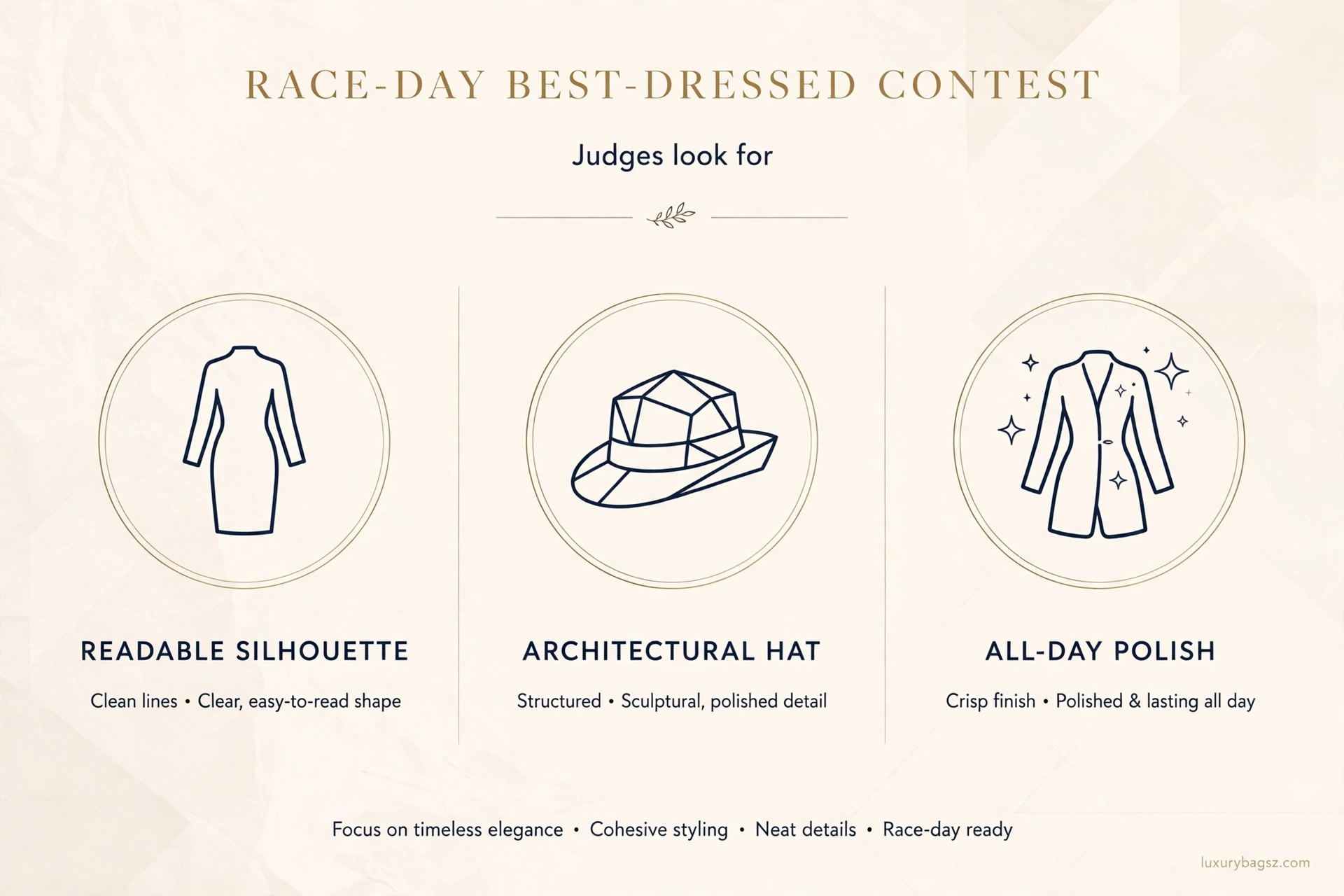
The meeting's Style Stakes competition formally judges best-dressed guests, with categories that have included best hat — turning millinery into a competitive sport.
Contest dressing rewards exactly what Badr's aesthetic supplies: a silhouette readable at distance, a hat with genuine architecture, and polish that survives hours outdoors.
Judges and photographers favour looks that read in a single frame: one strong idea, executed completely, with no fussy extras.
Keep that frame test in mind for any race day: if the look cannot be understood in one photograph, it is probably overcomplicated.
Entrants treat the contest seriously, planning looks for months; milliners in the region take commissions early in the season for exactly this one afternoon.
Her Race-Day Formula: Hat First
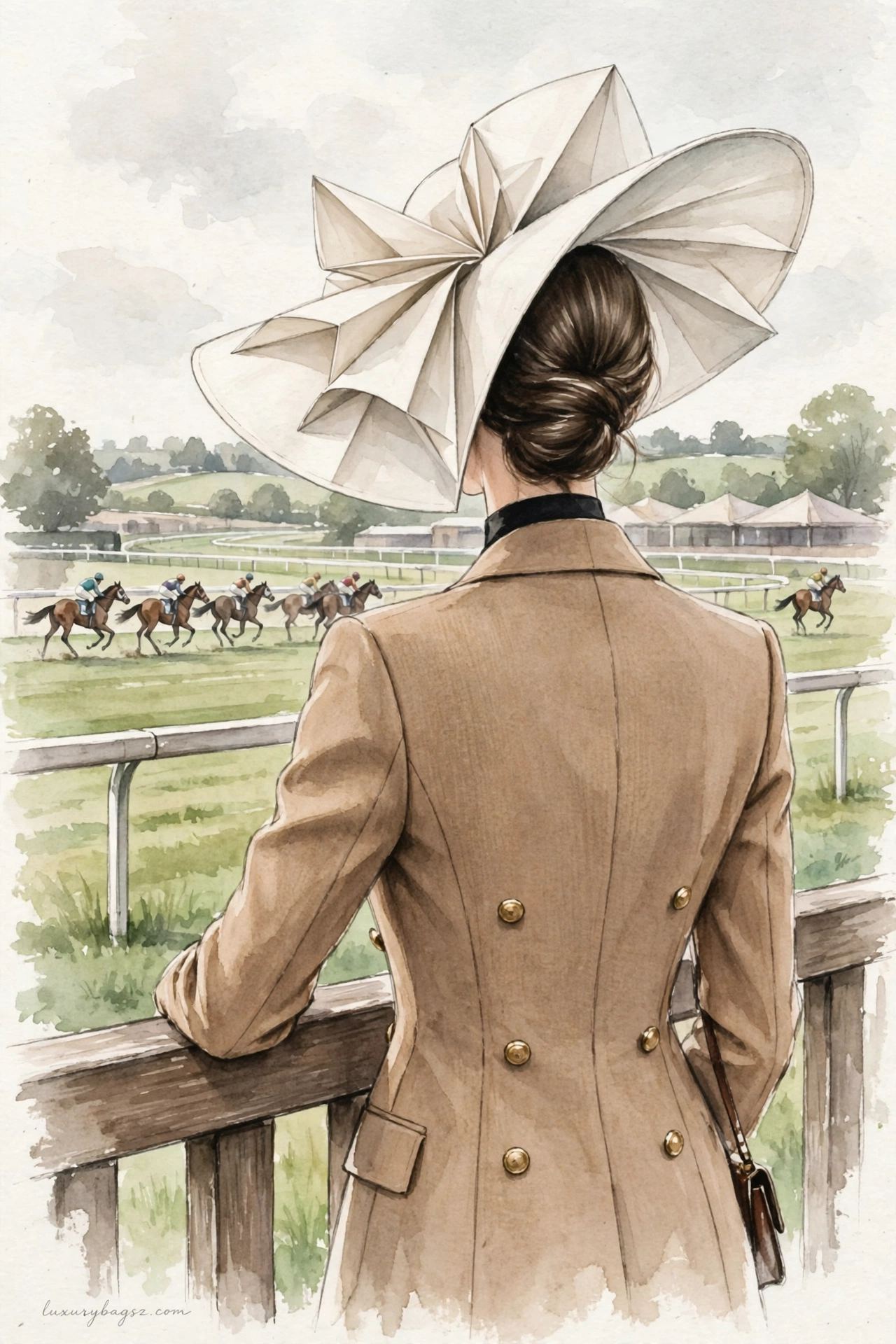
Badr's World Cup appearances follow the region's designer logic: the hat is the headline, with sculptural shapes, veiling or dramatic brims doing the visual work.
Beneath it, tailoring keeps the look grown-up: a structured blazer or tailored dress in a controlled colour, so the millinery never tips into costume.
The balance is delicate. A dramatic hat over a dramatic dress is fancy dress; a dramatic hat over discipline is fashion.
Her blazer expertise is the discipline in question — the strong shoulder line echoes the hat's architecture and holds the whole silhouette together.
Photographs of her event styling show the same restraint in beauty: polished hair under the hat's architecture, make-up that survives heat, jewellery kept to one zone.
Blazers: the Brand's Signature, Explained
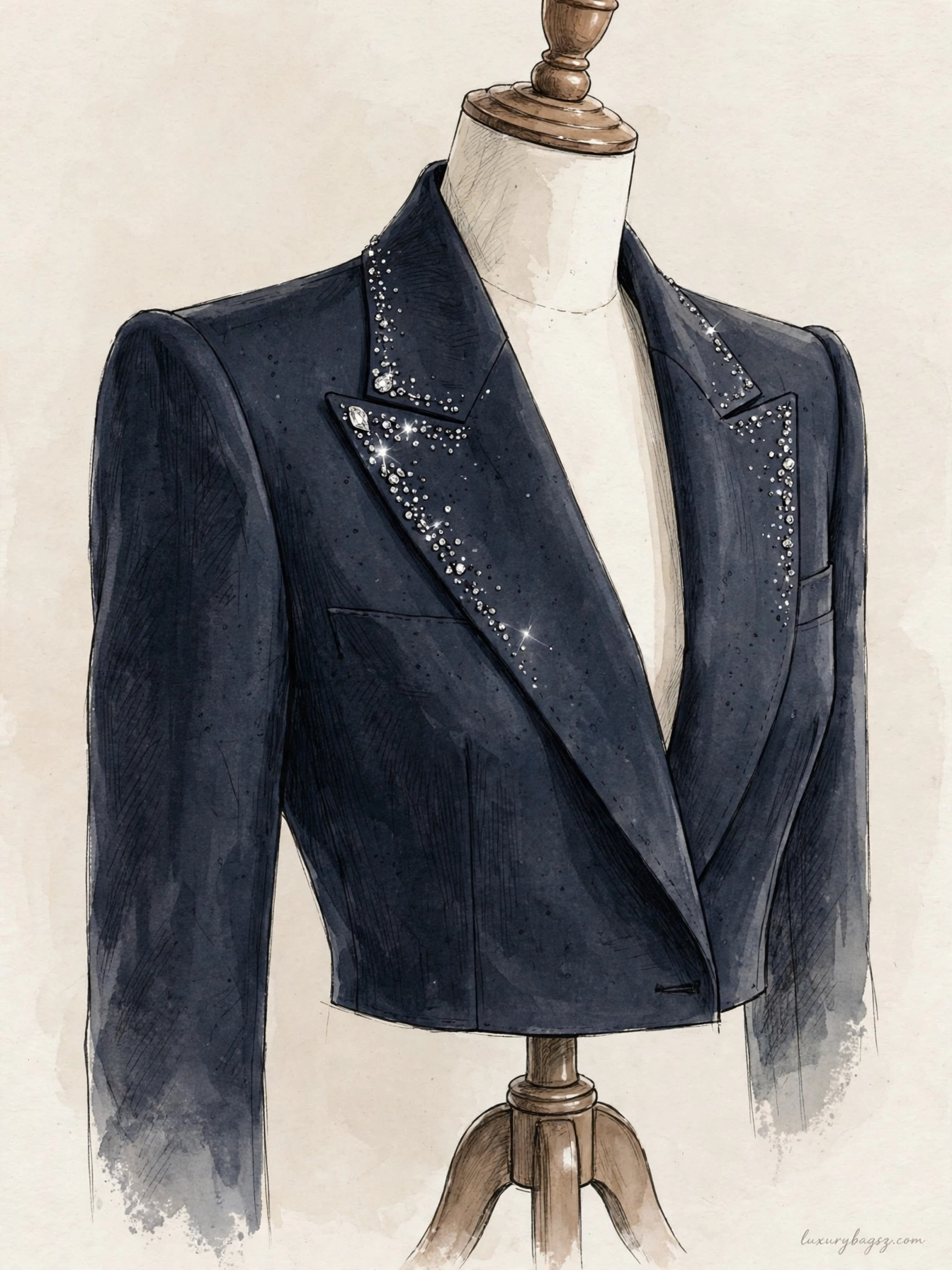
Lady Fozaza built its reputation on blazers: nipped waists, emphatic shoulders, and decoration — crystals, embroidery, contrasting panels — placed where it photographs.
In Gulf fashion the blazer is a power garment for women, bridging modesty expectations and boardroom-to-party versatility in one piece.
At Meydan, a tailored blazer over a dress or trousers also handles the practicalities: air-conditioned suites, evening breezes, hours of standing.
Our guide to Middle Eastern designers sets Badr among the regional names reshaping this tailored, embellished language.

Dressing for Meydan: Glamour Meets Heat
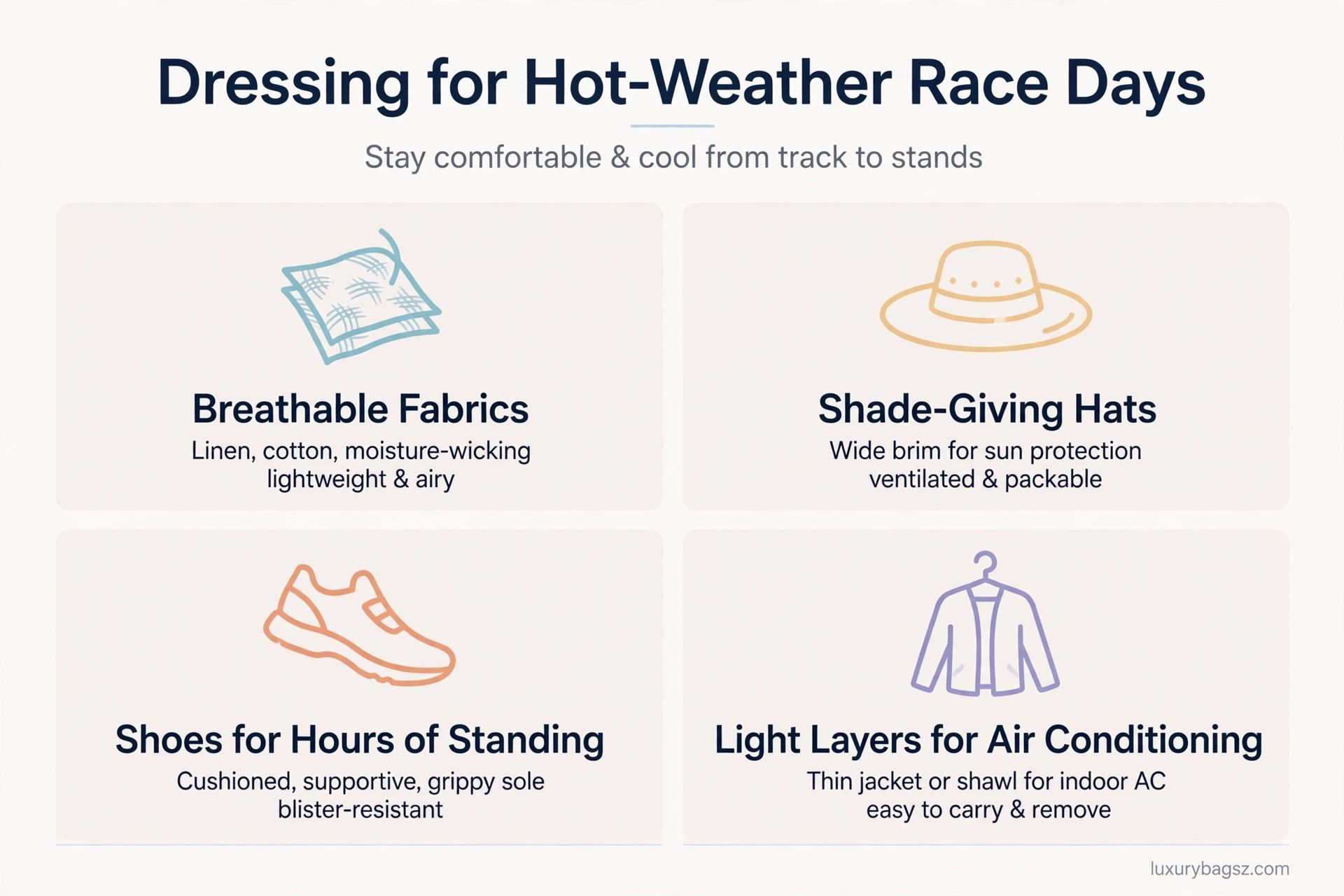
Dubai race day is hot, bright and long. Fabrics must breathe, hats must shade as well as decorate, and shoes must survive grass, marble and a great deal of standing.
Regional designers design for this reality: lighter constructions, linings that cope, and silhouettes that respect local modesty norms while keeping evening glamour.
Guests from cooler racing traditions sometimes misjudge both the heat and the dress code's elegance level, arriving underdressed by Meydan standards.
The local answer, Badr's included, is coverage with drama: sleeves, length and a hat, all in fabrics that move air rather than trap it.
Evening timing helps: the feature race runs toward dusk, so fabrics and embellishment are chosen to catch the falling light rather than the midday glare.
Get the Look at Your Own Race Day
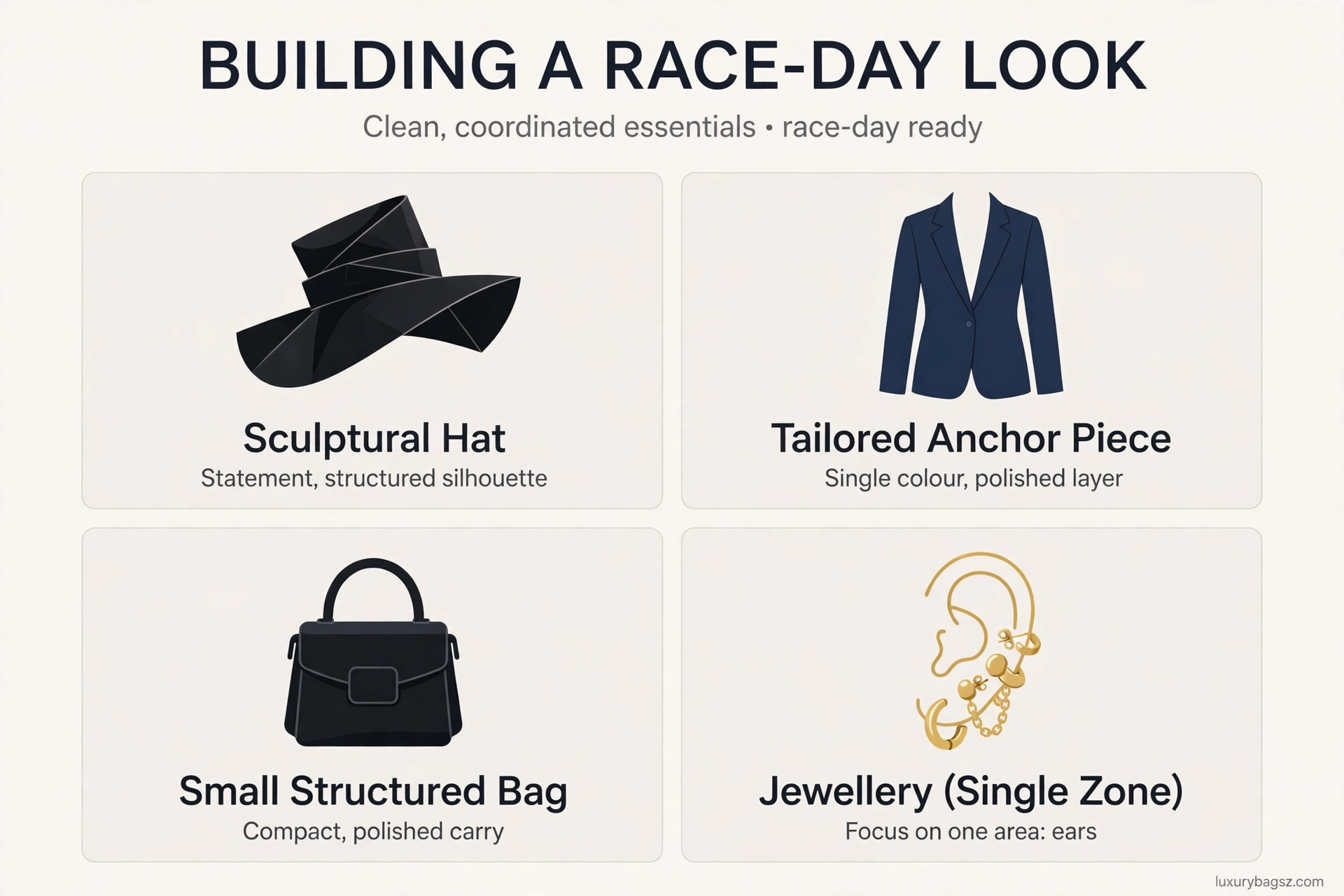
Start with the hat and build down: one sculptural piece, then a tailored dress or blazer in a single colour that lets the hat speak.
Finish with a small structured bag from our designer party bags edit — race days punish big totes and reward hands-free polish.
Jewellery should follow the Globes rule from our Golden Globes diamonds retrospective: one zone, worn well, with the hat counting as the second statement.
Photograph the full look outdoors before the day. Meydan's lesson is that sunlight is the strictest judge a race-day outfit will ever face.
Why Regional Designers Win This Event
The World Cup's fashion story keeps returning to Gulf-based designers because they design for its actual conditions: climate, culture, camera and calendar.
Badr's career embodies that advantage — a label built in Dubai, for women who dress in Dubai, succeeding at Dubai's biggest style stage.
International houses show at the event, but the looks that define its coverage are usually the ones that understand the place.
That is the piece's final lesson for any event dressing: local knowledge is a style asset, and the best-dressed guest is usually the one who dressed for this room, this weather, this crowd.
Frequently Asked Questions
Who is Lady Fozaza?
Lady Fozaza is the fashion label of Alanoud Badr, a Saudi designer and stylist based in Dubai. The brand is best known for sharply tailored, embellished blazers and a glamorous, polished aesthetic.
What is the Dubai World Cup?
One of the world's richest horse race meetings, held at Meydan Racecourse in Dubai. Its social and fashion scene, including the Style Stakes best-dressed competition, is covered almost as heavily as the racing.
What is the Style Stakes?
The meeting's official best-dressed competition, judged on the day, with categories that have included best hat. It rewards complete, photogenic looks and serious millinery.
What does Lady Fozaza design best?
Blazers: strong shoulders, nipped waists and decoration placed to photograph well. Her styling at events like the World Cup pairs that tailoring with dramatic hats.
What should women wear to the Dubai World Cup?
Elegant race-day dressing adapted to heat: a tailored dress or blazer outfit, a real hat, breathable fabrics, and shoes that survive hours of standing. Coverage with drama is the local formula.
Why do hats matter so much at Meydan?
Tradition, judging and climate: the Style Stakes rewards millinery, photographers love it, and a good hat shades its wearer through a long desert afternoon.
Is the Dubai World Cup dress code formal?
Yes — it is a glamorous event where guests dress up seriously, broadly in line with premium race-day standards elsewhere, with local elegance and modesty norms shaping the looks.
Can I copy the Lady Fozaza formula affordably?
Yes: one sculptural hat, one tailored anchor piece in a single colour, one small structured bag, and jewellery in a single zone. The discipline matters more than the labels.
Do international celebrities attend the World Cup?
The meeting draws regional and international guests from racing, fashion and entertainment, which is why its style coverage reaches well beyond the Gulf.
Where can I see Dubai World Cup fashion coverage?
Regional fashion titles and the meeting's own channels publish Style Stakes and arrivals coverage each year, usually within a day of the late-March meeting.
Summary: One Hat, One Blazer, Total Intent
Lady Fozaza's Dubai World Cup style is a masterclass in dressing for a specific stage: a sculptural hat for the cameras and the sun, tailoring for authority, and nothing left to chance. Whatever your race day, borrow the intent — local, deliberate, complete — and the photographs will follow.






