Hermès Tressages Équestres Tableware: Pieces, Prices and Care
Braiding, Translated Into Porcelain
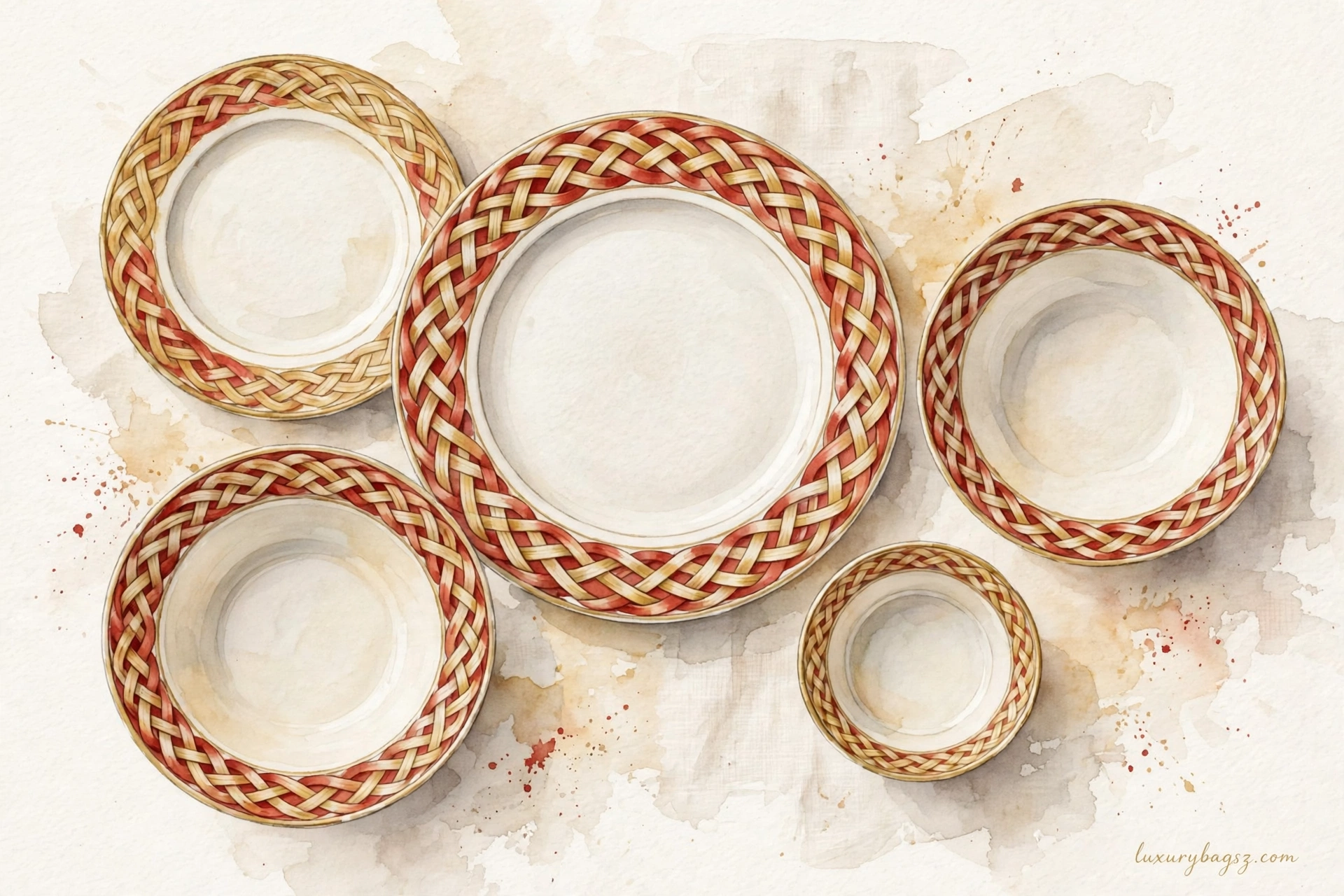
Tressages Équestres is Hermès porcelain patterned with braiding: interlaced bands that echo the plaited leather and woven straps of the harness maker's bench.
The braid runs around plates, bowls, cups and serving pieces in warm red and gold tones on cream porcelain, giving the table a crafted, almost textile feel.
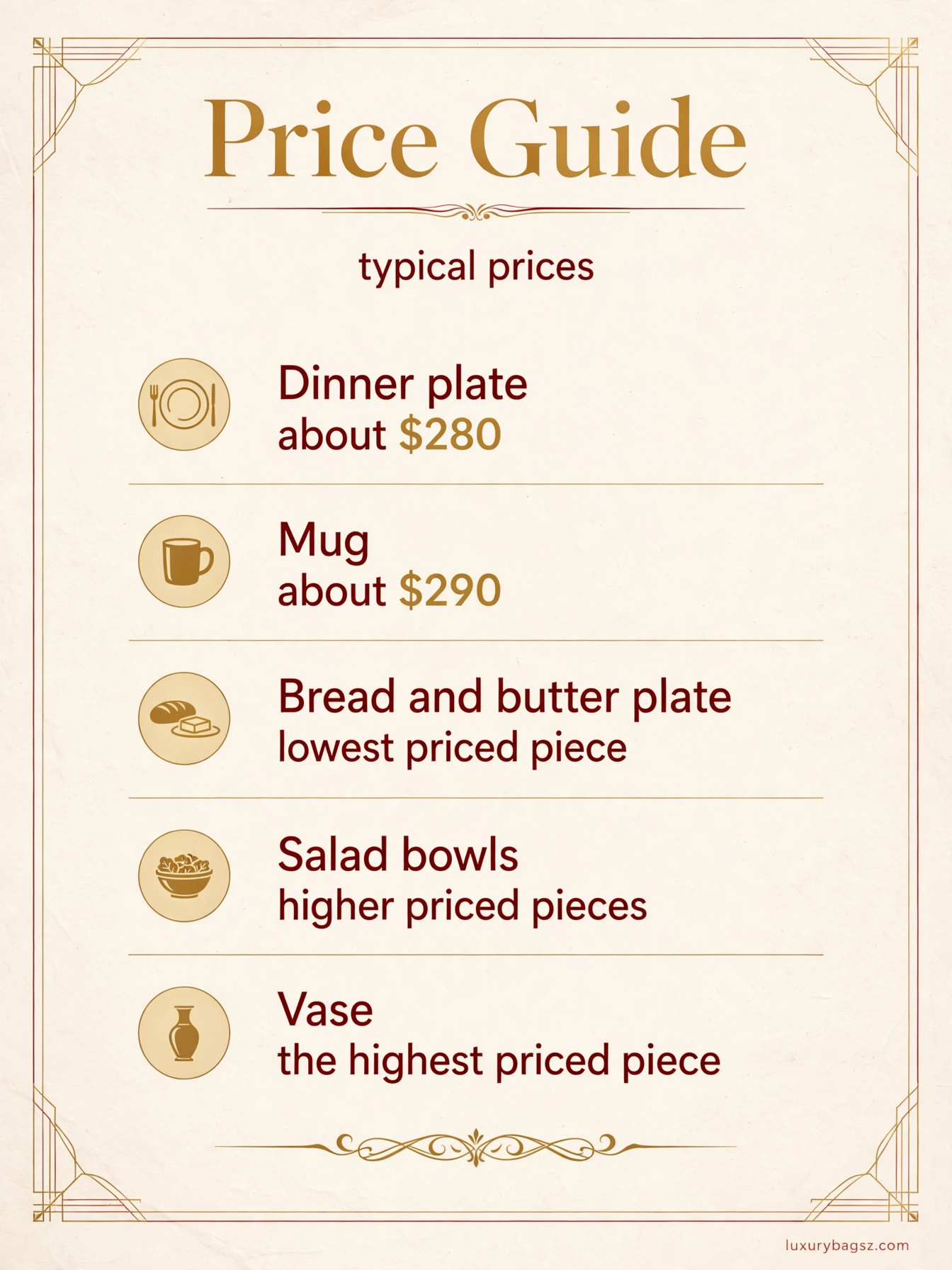
It is a broad service with real depth. A dinner plate is around $280 in the US, mugs around $290, and the range climbs to large salad bowls and a statement vase.
Key Takeaways
- Tressages Équestres means equestrian braiding, and the pattern imitates plaited straps from harness work.
- The service is wide: plates, numbered bowls, hollow dishes, cups, mugs, tumblers, platters, boxes and a vase.
- Typical US prices start near the bread and butter plate and run from about $280 for a dinner plate upward.
- Braided rims frame food beautifully and suit both rustic and formal tables.
- Bowls and salad bowls come in several sizes, so buy by the job each piece must do.
- Hand washing and careful stacking protect the patterned rims, which do most of the visual work.
What Tressages Équestres Is
Tressages means braiding or plaiting. In the Hermès world that craft belongs to the stable: braided manes, plaited reins and woven girth straps.
The porcelain turns that idea into a border. Bands of interlaced pattern circle each piece, changing scale from a fine line on a cup to a bold frame on a platter.
The palette stays warm and calm — reds, creams and gold-like tones — so the pattern feels rich without shouting across the room.
If you are comparing house styles, our guide to what Hermès tableware is sets this woven look beside the mosaic, botanical and graphic ranges.
Braiding is skilled work in the stable. A good plait is even, tight and beautiful, and riders judge each other by it. The porcelain border carries that same quiet pride.
Seen up close, the pattern rewards attention: strands cross and tuck like real woven leather, which is why the rims photograph so well and age so gracefully.
Plates, Cups and Everyday Pieces
The daily core starts with a dinner plate at around $280 in the US, a dessert plate below it and a bread and butter plate as the lowest priced piece.
Tea and coffee cups come with saucers; European listings price the tea cup and saucer near €275 for the pair as sold, so read each listing carefully.
Mugs numbered 1 and 2 cost around $290 each, and tumblers come in small and large models, with the small tumblers also sold as a set of two.
Small bowls, numbered bowls and breakfast cups round out a range that can genuinely cover every meal of the day.
Bowls, Hollow Pieces and Serving
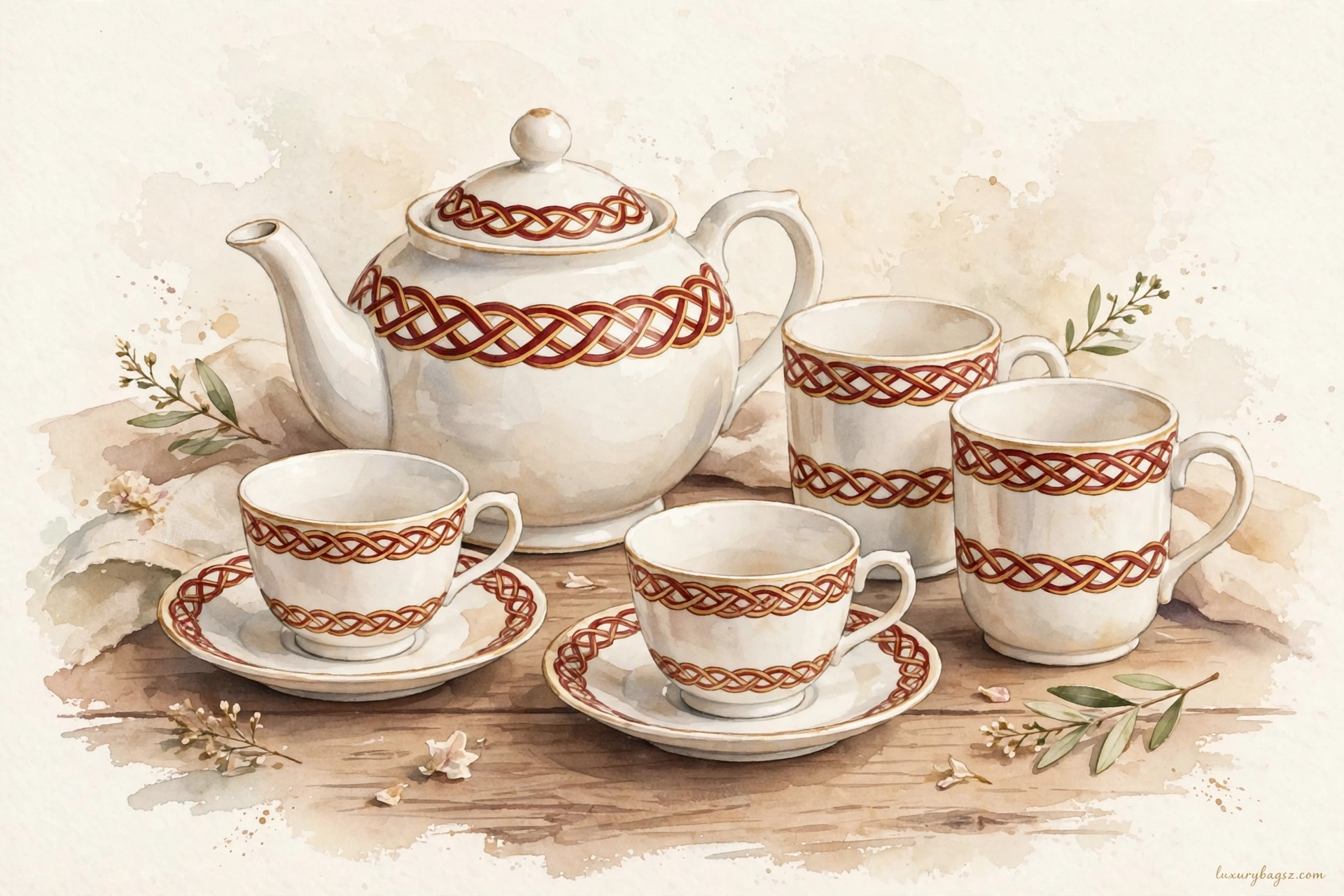
Bowls are a strength here. Everyday bowls come in medium and large models, and salad bowls step through small, medium and large sizes.
Hollow plates and hollow dishes, each in medium and large models, handle gratins, pasta and shared vegetables with ease.
Serving continues with oval platters in small and large models, a tart platter, and a teapot for the end of the meal.
At the top of the range sits a vase, the highest priced piece in the service, which carries the braid beautifully as a table centrepiece.
Boxes and Finishing Pieces
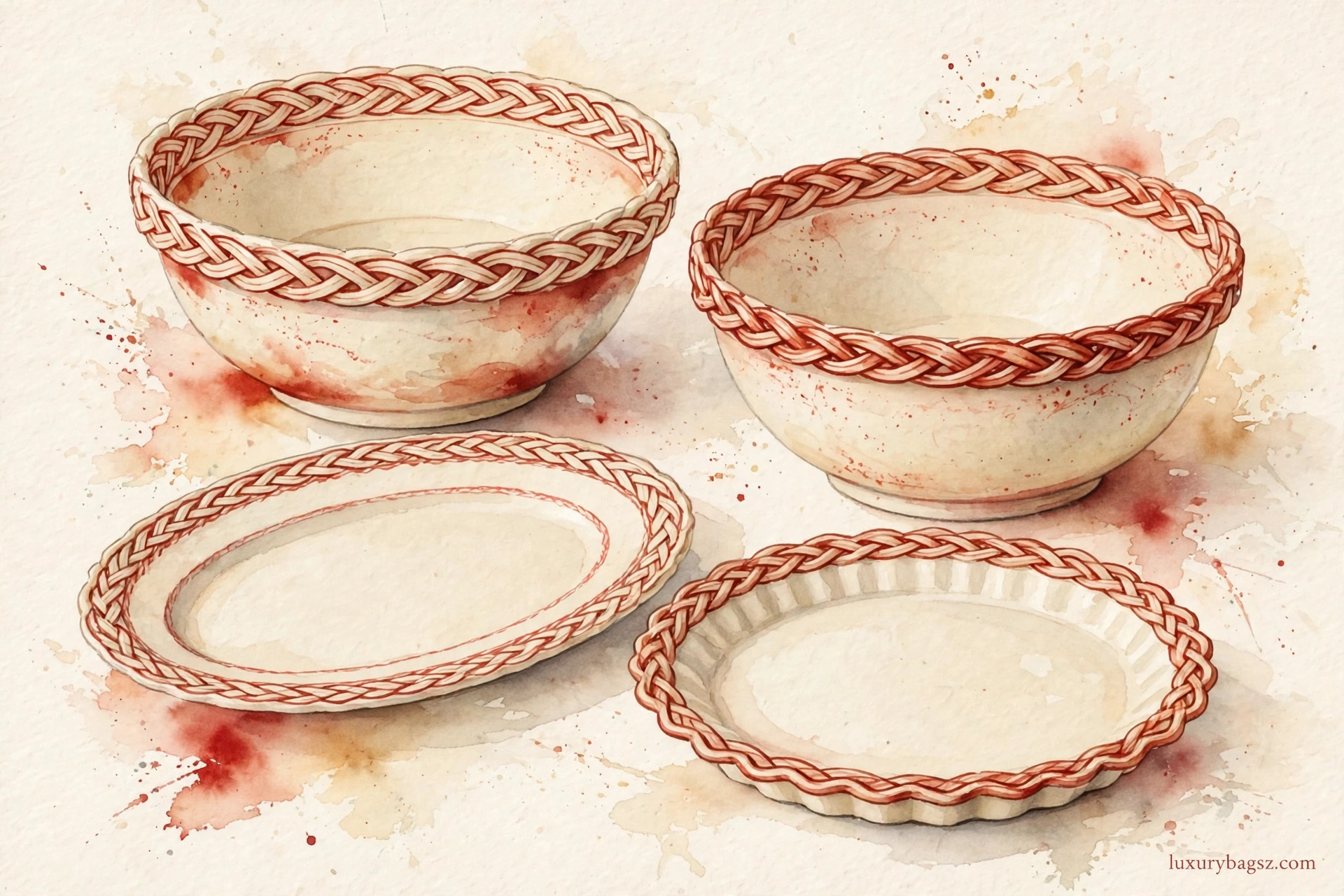
Porcelain boxes in small and medium sizes, plus a tea box, extend the pattern from the table to the dresser and desk.
These are the pieces gift buyers find first. A small lidded box shows the braid in miniature and needs no knowledge of place settings to delight.
They also help owners of partial sets. One box on a sideboard keeps the pattern present in a room where the full service rarely appears.
Prices for boxes sit well above the plates, so treat them as considered treats rather than starter pieces.
Prices: From Bread Plate to Vase
The ladder starts gently. The bread and butter plate is the lowest priced piece, the dinner plate is about $280 and mugs are about $290 in the US.
Cups, tumblers and small bowls fill the middle, generally in the same band as the mugs or a little above, depending on size.
Salad bowls, platters and the teapot climb steadily, and the large salad bowl and the vase stand at the top of the range.
European listings give a second view: dinner plates near the same level in euros, tea cups around €275 as sold, and large bowls several times the plate price. Always confirm locally.
Budget by meal rather than by piece. A breakfast core of mugs, small bowls and bread plates costs far less than a dinner core and gets used every single day.
For weddings, this range registers beautifully: guests can give one salad bowl or platter at a time, and the couple builds real serving depth within a year.
Styling a Braided Table
The braid loves natural company: linen, wood, plain glass and unpatterned cutlery let the rims do the talking.
For a livelier mix, the jumping motifs of Hermès Saut Hermès tableware can appear at breakfast while Tressages takes dinner.
A geometric service such as Hermès Mosaique au 24 tableware contrasts well by course, braid for starters and mosaic for dessert.
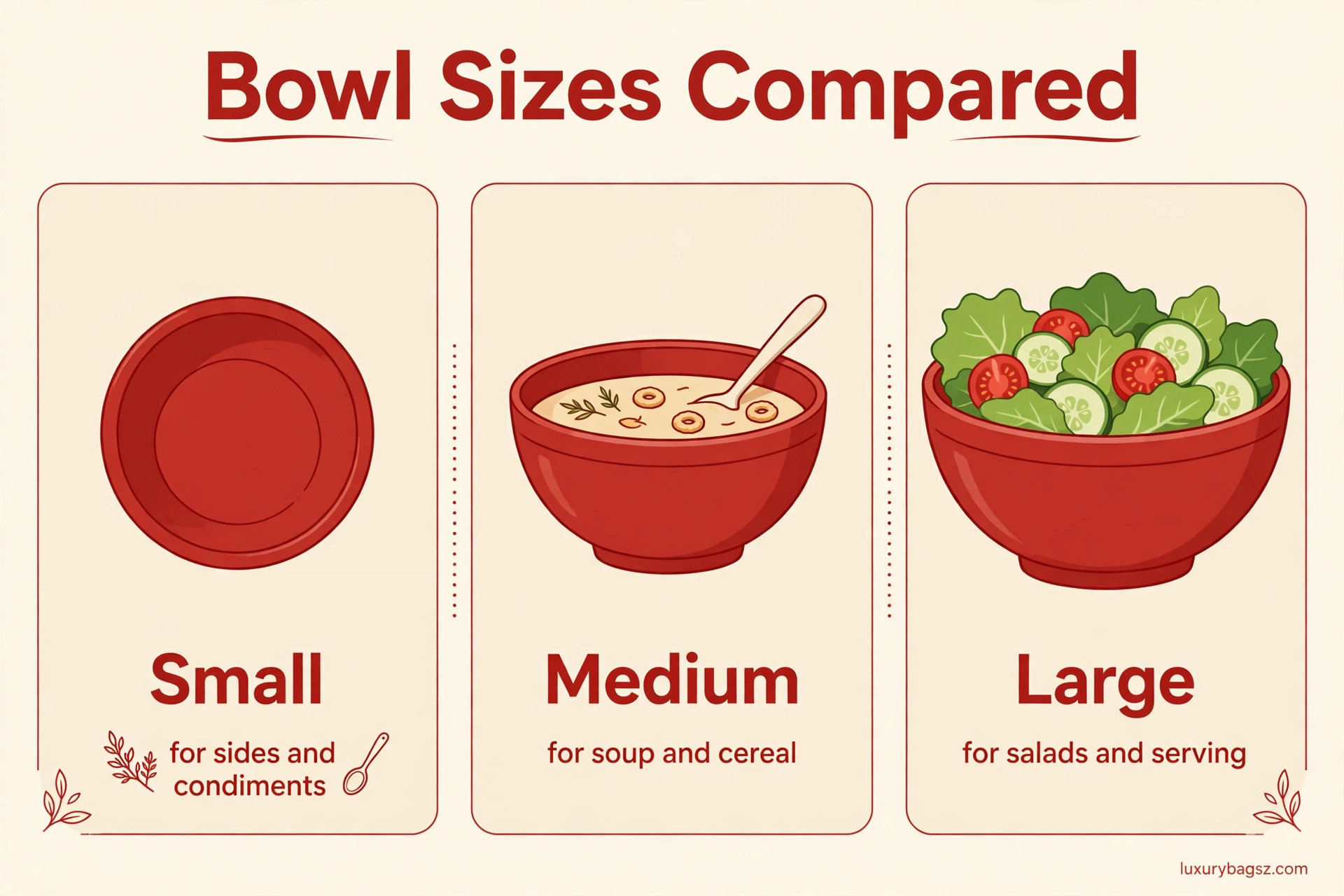
Choose bowl sizes by job, not by symmetry. Small for sides, medium for soup and cereal, large for salads and serving, as the size guide image shows.
Care for Patterned Rims
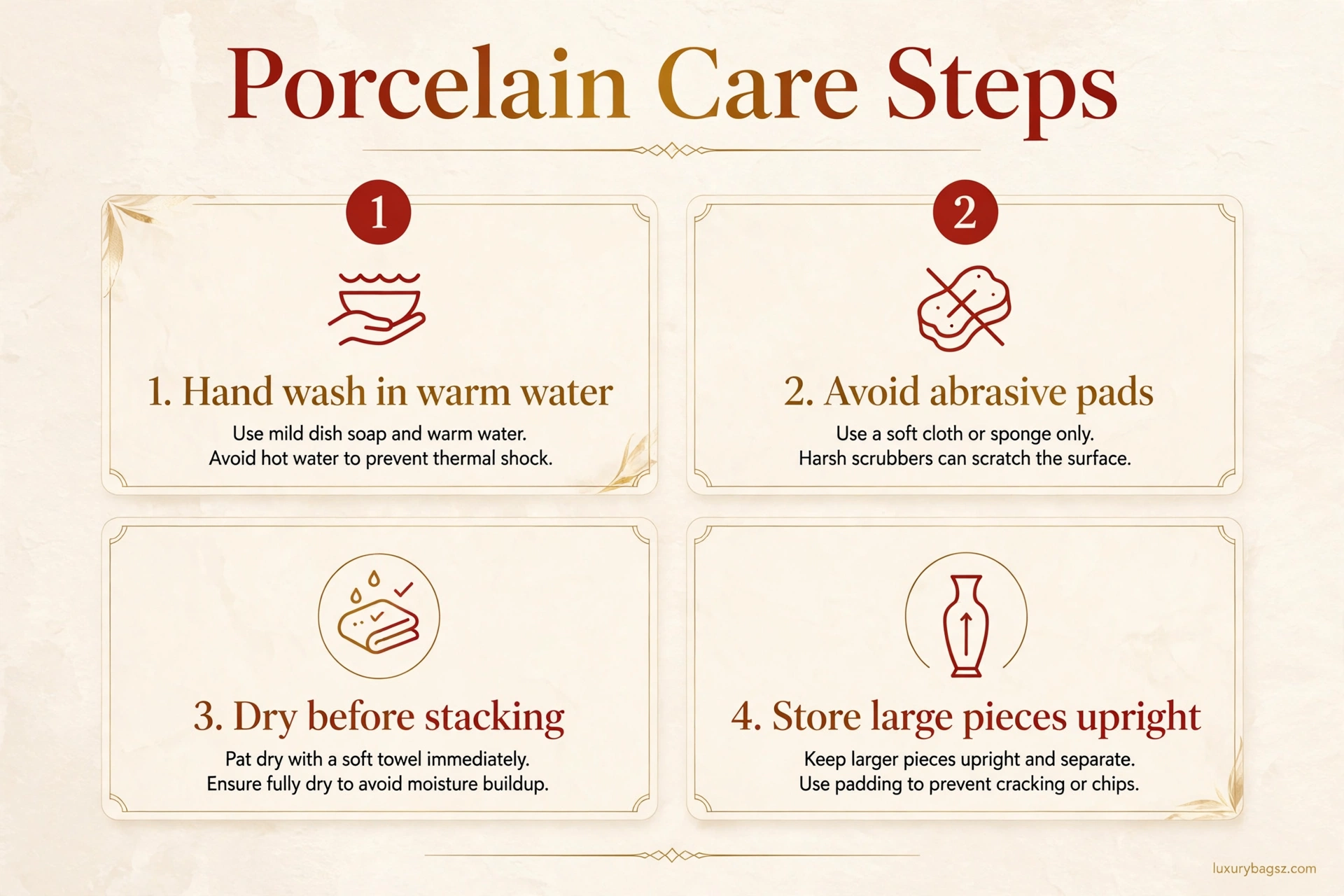
Hand wash in warm water with mild liquid and a soft sponge. The rims carry the pattern, so they deserve the gentlest contact.
Never use abrasive pads or harsh powders. Fine scratches cloud the glaze slowly and the braid loses its crisp woven look.
Dry before stacking, keep separators between plates, and store the biggest bowls and platters upright where they cannot slide.
Keep the vase and boxes dusted with a dry cloth. Porcelain rewards this small routine with decades of service.
Who Should Choose Tressages Équestres
Choose it if you like warmth at the table: autumn food, wooden rooms, candlelight and patterns that feel handmade rather than printed flat.
It suits entertainers who serve family style, because the bowls, hollow dishes and platters are unusually complete.
If your taste runs cool and minimal, a plain or mosaic range may please you more. If you want bright playfulness, the jumping range is lighter in spirit.
Start with dinner plates and mugs, live with the braid for a season, then grow into the serving pieces you found yourself missing.
Country houses and equestrian homes take to it instantly, but city tables benefit too: the woven rim adds texture that plain modern rooms often lack.
Frequently Asked Questions
What does Tressages Équestres mean?
It means equestrian braiding. The pattern imitates the plaited straps, reins and woven work of the harness maker's craft.
How much is a Tressages Équestres dinner plate?
Around $280 in the US at recent listings. Mugs are around $290, and the bread and butter plate is the lowest priced piece in the range.
Which piece costs the most?
The vase is the highest priced piece, followed by the largest salad bowls and platters. These sit many times above the dinner plate price.
What sizes do the bowls come in?
Everyday bowls come in medium and large models, and salad bowls come in small, medium and large. Pick by the food each bowl must hold.
Are the tea cups sold as a pair?
Listings in some markets describe tea cups and saucers sold in sets of two, near €275 in Europe. Read your local listing before ordering.
Does the range include a teapot?
Yes, the service includes a teapot, plus tea and coffee cups, mugs, tumblers and a tea box for a complete hot drinks setup.
How do I protect the braided rims?
Hand wash with a soft sponge, avoid abrasive pads, dry before stacking and use separators between plates so rims never rub.
Can Tressages mix with other Hermès ranges?
Yes. Its warm palette pairs well with plain porcelain, and contrasting ranges work course by course. Keep one pattern leading each course.
Is Tressages Équestres good for everyday use?
Yes, with gentle washing. The plates, bowls and mugs are made for real meals, and the pattern hides the small marks of daily life well.
What is a good first piece to gift?
A mug or the small lidded box. Both show the braid clearly, suit almost any home and sit at a calmer point than the serving pieces.
Summary
Tressages Équestres wraps the table in craft: a braided border, warm colour and one of the widest piece lists in the Hermès porcelain family.
Buy the daily plates and bowls first, add serving depth slowly, and wash with a soft hand. The braid will repay you at every meal.