Hermès Plein Air: Foundation and the Complexion Line Explained
One Line, Two Very Different Bases
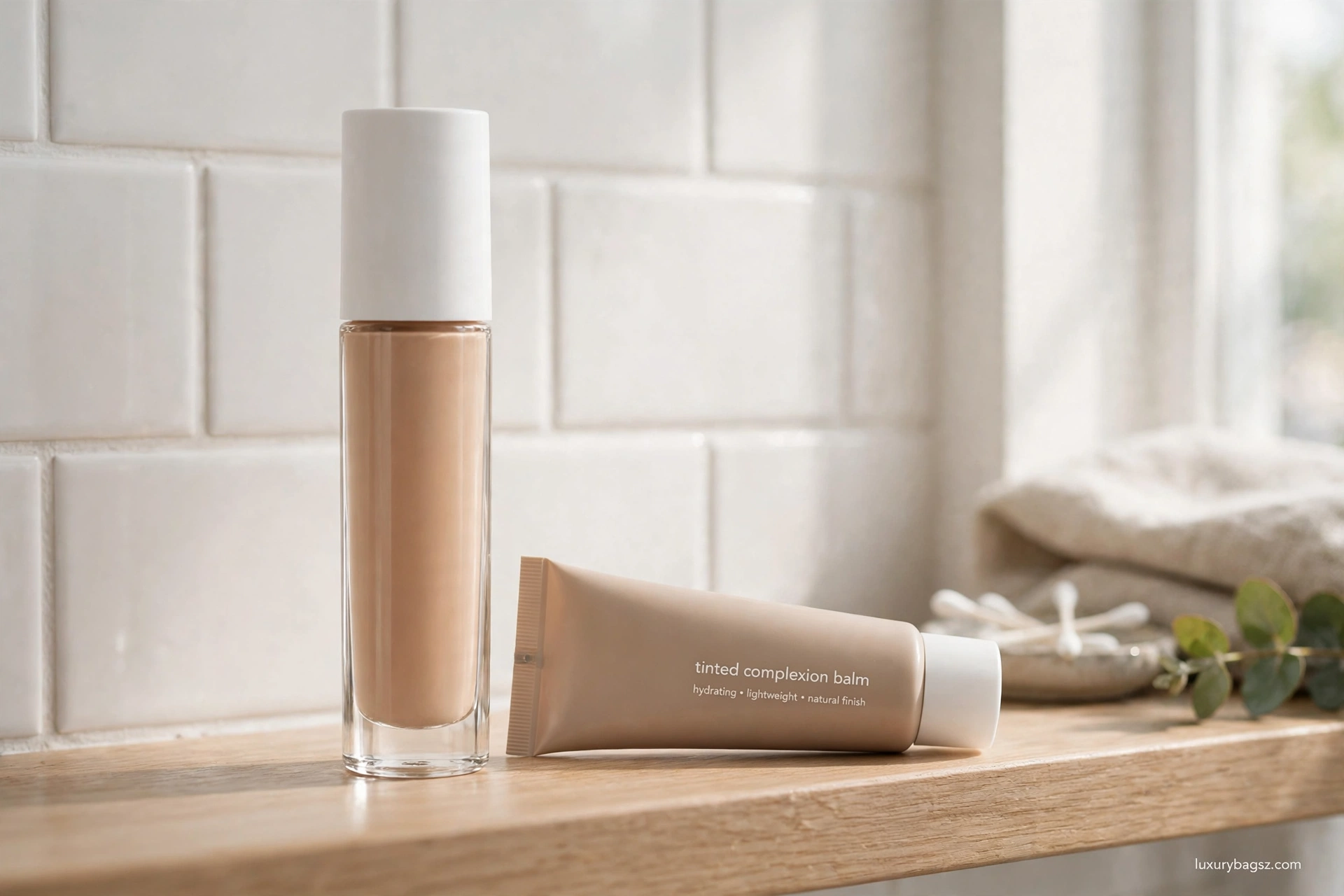
Hermès Plein Air is the house's complexion line, named for the open air and natural light. It now holds two bases: the Complexion Balm, a sheer tinted balm with SPF 30 in 12 shades at around $90, and the Luminous Matte Skincare Foundation, the house's first true foundation, in 34 shades at around $145 in the US and €125 in Europe.
Around them sit powders, a radiance line and brushes. This guide explains what each product does, how the shade systems work, and how to choose between the balm and the foundation.
Key Takeaways
- Plein Air is the full complexion line: balm, foundation, powders, radiance products and tools.
- The Complexion Balm is sheer and adjustable, SPF 30, 40 ml, in 12 translucent shades that each fit two to three skin tones.
- The Luminous Matte Skincare Foundation is medium coverage, 33 ml, in 34 shades across five depths and three undertones, on an 82% skincare base.
- Foundation shades use a number plus C, N or W for cool, neutral or warm undertones.
- The balm suits no-makeup days; the foundation suits a polished, longer-wearing base.
What Plein Air Means at Hermès
Plein Air translates as open air, and the line is built around natural light: bases that look like skin in daylight rather than studio makeup. The complexion is meant to look like a walk outside, not a filter.
The line grew in stages. The Complexion Balm came first as a tinted, caring base. Powders followed, including the H Trio mineral powders. The true foundation arrived later, in early 2026, as the line's most technical product, alongside a perfecting primer base and dedicated brushes.
Understanding the order helps: balm for tint, foundation for coverage, powders for finish. Most routines need only one base plus, at most, one powder.
The name also explains the packaging: white, light and unfussy beside the black and gold of the lip line. These are products designed for a bathroom shelf in daylight, and for travel bags, not for a dressing-table display.
The Complexion Balm: Shades and Finish
The Complexion Balm is a tinted balm with SPF 30 in a 40 ml tube. Its 12 shades are translucent and flexible: each is designed to adapt to two or three skin tones, which is why the range can be so short.
Shade names run from pale to deep: Amande, Coquillage, Sable, Ficelle, Chanvre and Palomino through Sienne, Santal, Barénia, Tamarin and Alezan to Moka, the deepest. One detail to know: the deepest shade, 95 Moka, does not contain the SPF 30, per retailer notes.
Coverage is sheer and adjustable: a thin layer evens redness, a second layer over the centre of the face adds more. The finish is fresh and lightly luminous, and the price is around $90 in the US and about £65 in the UK.
The Luminous Matte Skincare Foundation
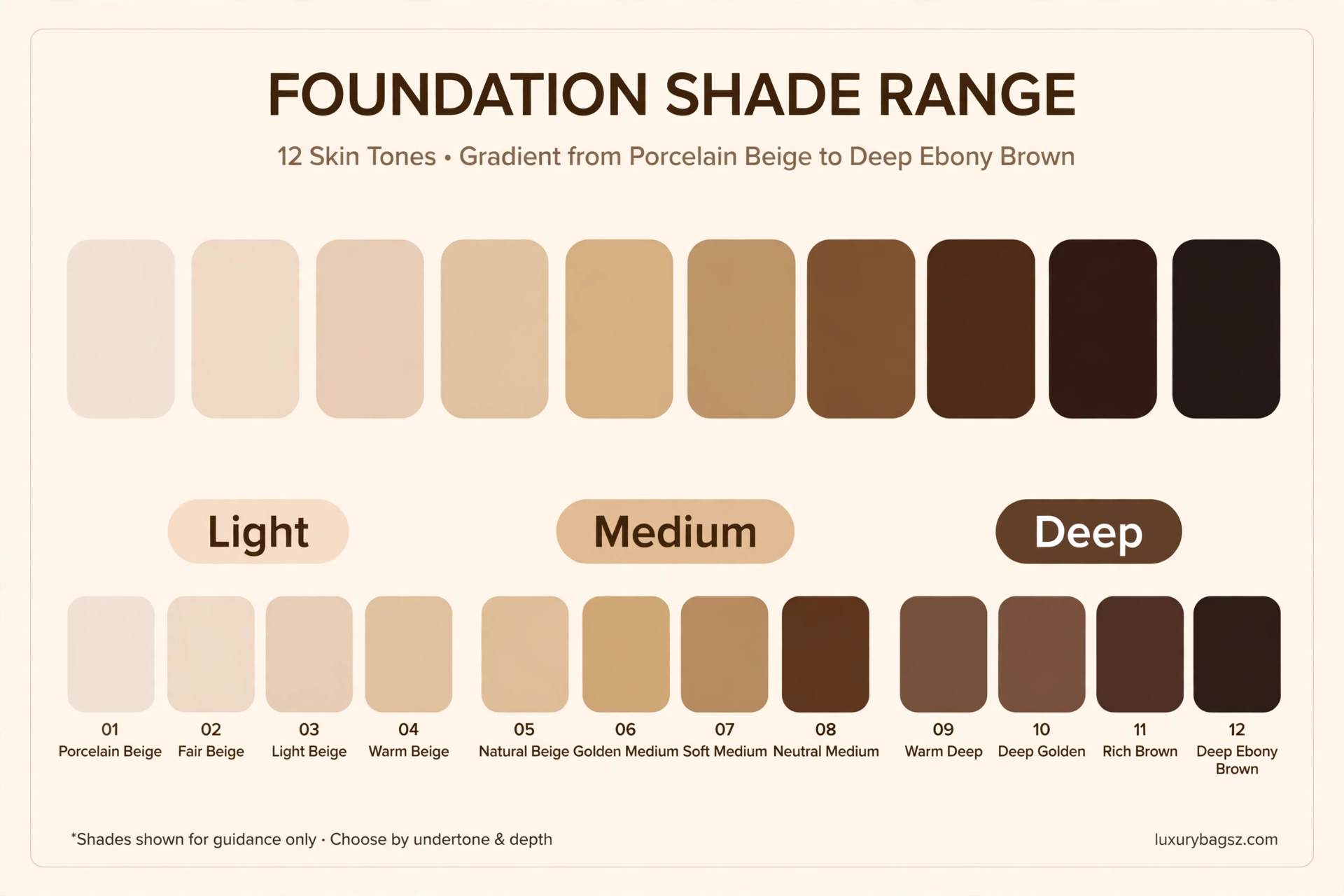
The Luminous Matte Skincare Foundation is Hermès's first foundation proper: medium, buildable coverage with a blurred, second-skin matte finish that still reflects a little light, so skin does not look flat.
It comes in 34 shades across five depth families and three undertones, marked C for cool, N for neutral and W for warm in the shade name, such as 25W Rotin or 41N Cajou. The 33 ml bottle costs around $145 in the US and €125 in Europe.
The formula is built on an 82% skincare base with niacinamide, hyaluronic acid and white mulberry extract, reported by the brand and reviewers, so it is aimed at daily wearers who want base makeup to double as care.
Wear-test reviewers describe a consistent story: a natural matte that does not go flat by afternoon, comfortable feel with no tightness, and coverage that survives a long day with at most a blot. Several compare the finish to silk rather than powder, which suits the house.

Balm vs Foundation: Which Do You Need?
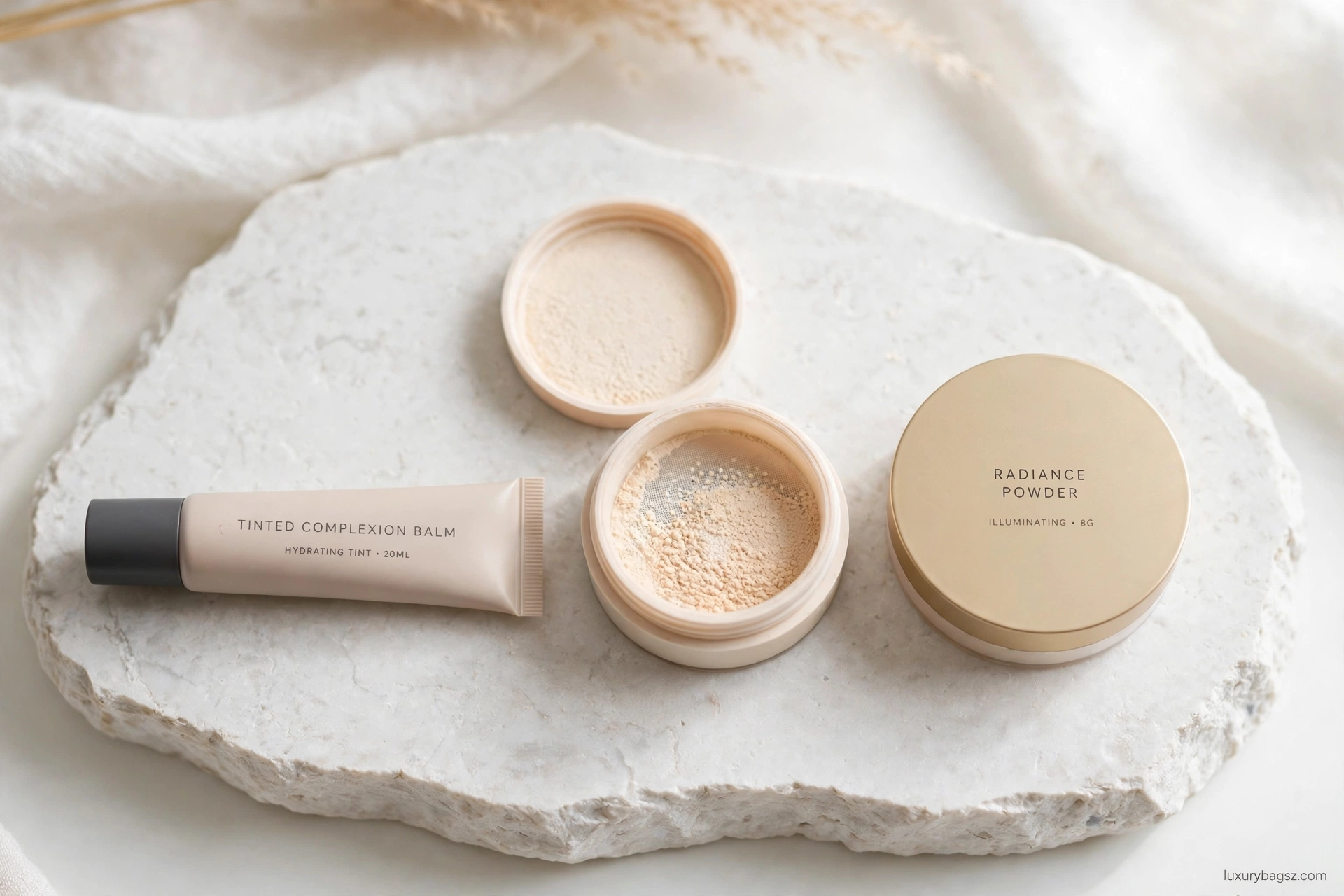
Choose the balm if your skin is mostly even, you dislike the feel of foundation, or you want SPF in your tint. Its sheerness forgivingly matches many skin tones, and it applies with fingers in under a minute.
Choose the foundation if you want medium coverage that lasts a working day, a wider and more precise shade match, or a matte-leaning finish for combination and oily skin. Reviewers' wear tests show it holding up well across long days with minimal touch-ups.
Many owners end up with both: balm for weekends and summer, foundation for work and events. If budget forces one, pick by coverage need first and undertone second.
Powders, Radiance and Tools in the Line
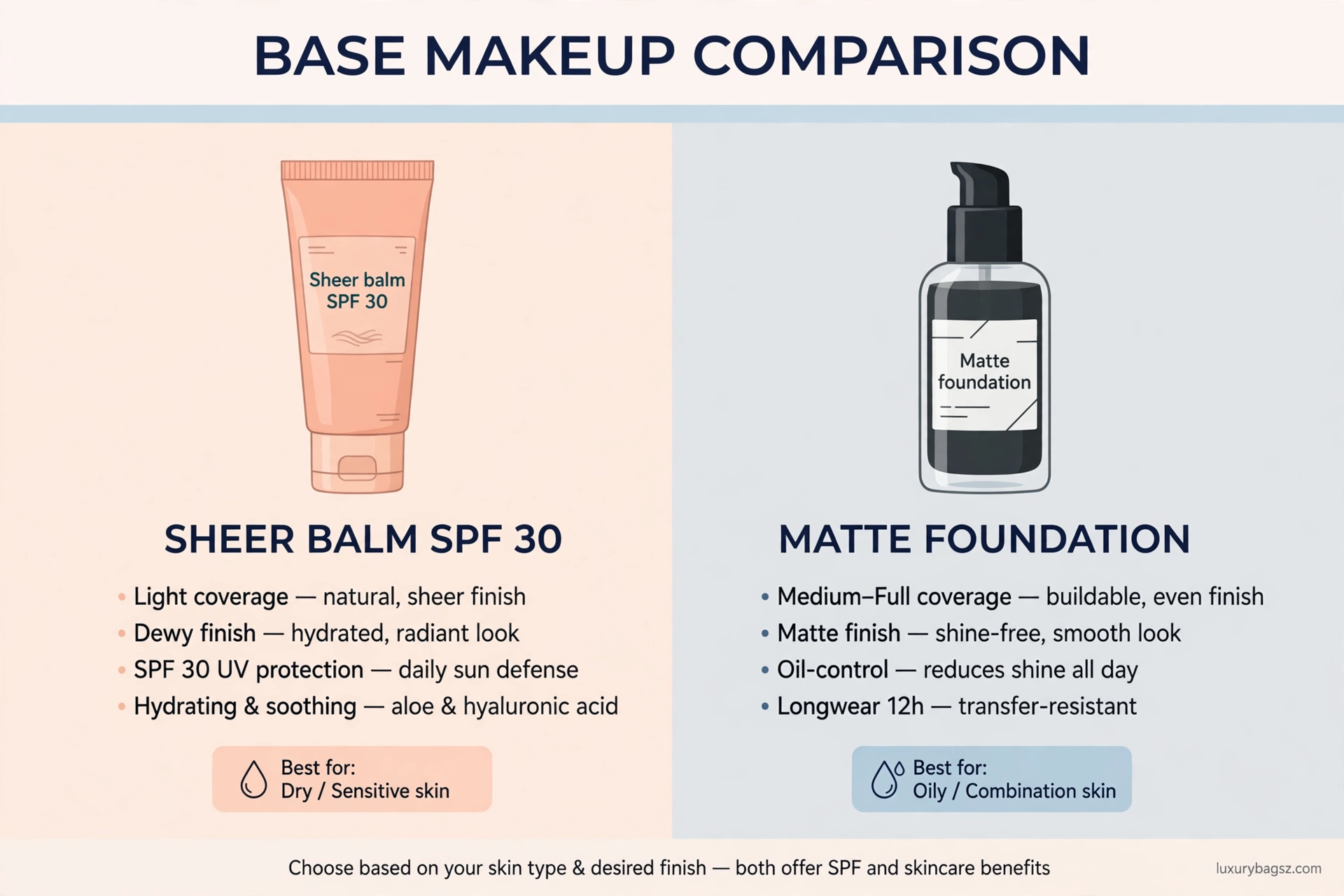
The H Trio powders are the line's setting and finishing powders, in iridescent and matte versions, named for landscapes such as Rose Atacama. They set a base without dulling it, and the larger blush-format H Trio powders double as soft colour.
A radiance powder and healthy-glow products sit alongside for the lit-from-within finish the line is named for. Used over the foundation's matte base, a touch of radiance powder on the high points keeps the look alive.
The tools matter more than usual here: a dedicated foundation brush, a perfecting primer base released with the foundation, and a metal mixing palette are all part of the system. None is essential, but the brush is the one reviewers rate.
The primer deserves a specific note: it is a perfecting base designed to sit under the foundation and smooth the canvas, useful if your skin texture shows through matte bases. If your skin is smooth, skip it; if pores are your main concern, it is the add-on to try.
Finding Your Shade
For the foundation, start with depth, then undertone. The number gives depth within the five families; the letter gives undertone. If foundation usually looks orange on you, try C; if it looks grey or ashy, try W; N sits between.
Test on the jawline in daylight and give it ten minutes: skincare-rich bases can deepen slightly as they settle. The house offers a shade-finding guide online, and counters will sample, which is worth it at this price.
For the balm, simply pick the shade closest to your depth; the translucent formula forgives a near miss. Finish the face with a Rose Hermès blush and an Ombres d'Hermès eye shadow quartet for the full house look.
Application and Wear Tips
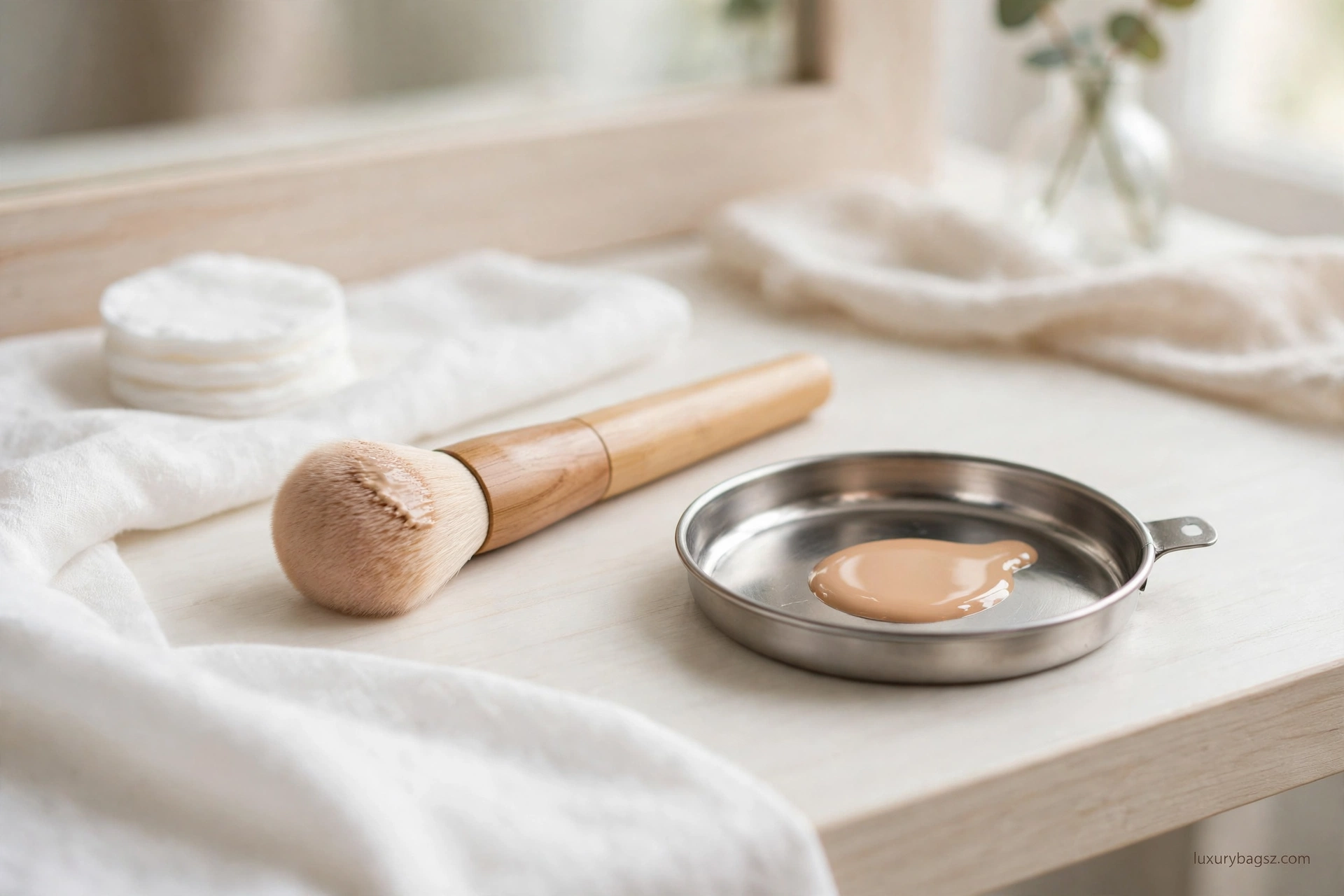
Apply the balm with fingers, smoothing from the centre outward, and add a second thin layer only where you need it. It sets quickly and needs no powder on dry skin; oily zones may want H Trio powder through the T-zone.
Apply the foundation in small amounts with the brush or a damp sponge, building in the centre of the face. A little goes far: reviewers consistently note how small an amount covers, which offsets the bottle price over months of use.
Set only where you shine. The luminous matte finish is designed to stay skin-like; powdering everywhere flattens the effect you paid for. Carry blotting papers rather than extra product for touch-ups.
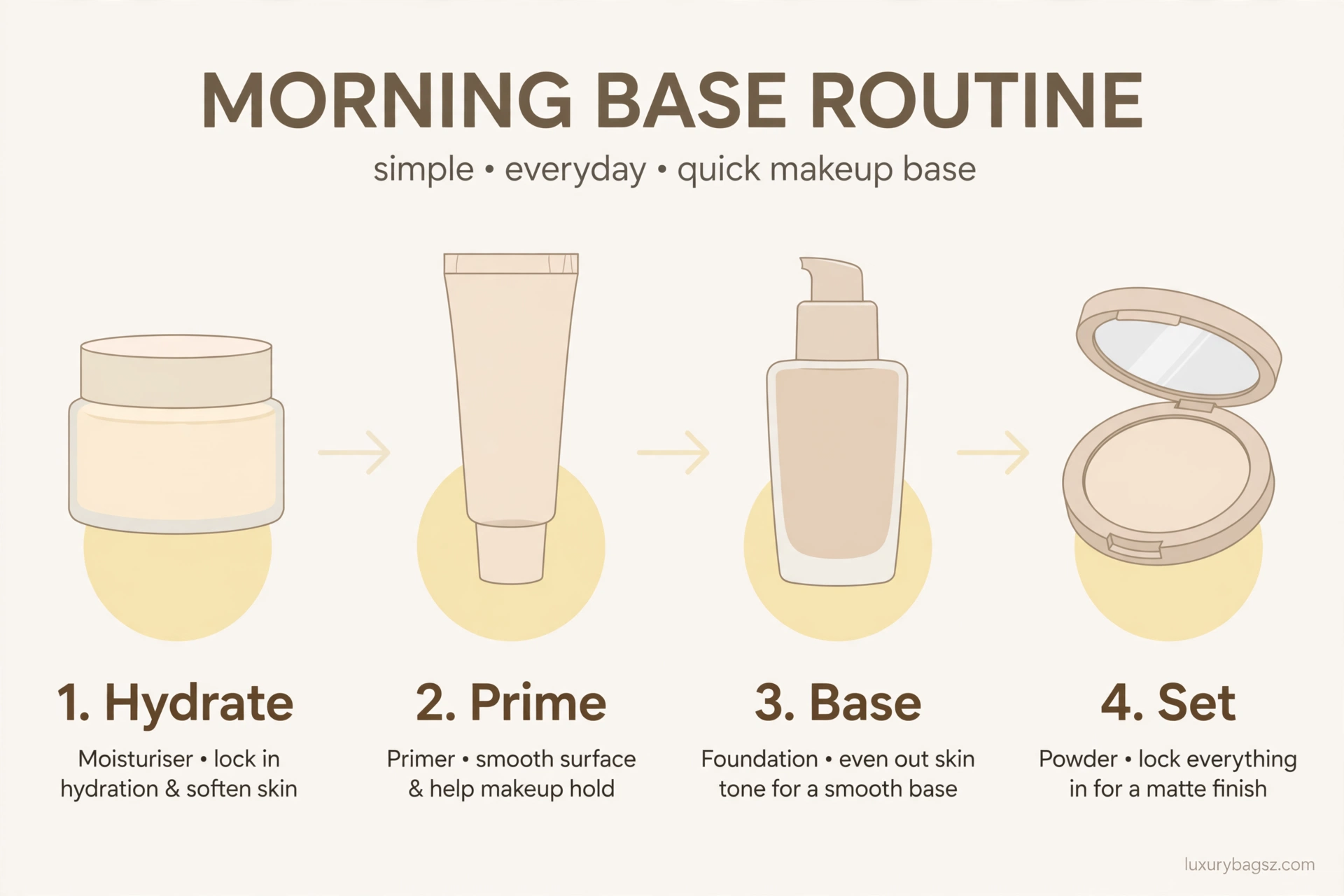
For dry skin, prep is everything: moisturise well and let it settle for five minutes before the foundation, or the matte finish will find every flake. For oily skin, a mattifying primer in the T-zone keeps the luminous finish where you want it: on the cheeks.
Prices and Whether It Is Worth It
Typical prices: Complexion Balm around $90, foundation around $145 in the US and €125 in Europe, powders in the low hundreds depending on size and market. Nothing here is cheap, and the primer and brush add more if you buy the full system.
The value case rests on the skincare base, the shade precision and how little product each application uses. Our overall take on the brand is in is Hermès Beauty worth it, and Plein Air is one of its strongest ranges for daily wearers.
If you wear base makeup most days, the foundation earns its price. If you wear it twice a month, the balm is the smarter buy: quicker, sheerer and kinder to an occasional routine.
One final practical point: because the foundation is a 2026 launch, shade stock at smaller counters can be patchy in the first year. If your shade is out of stock locally, order from the house's own site rather than settling for a near shade at this price.
Frequently Asked Questions
How much does the Hermès Plein Air foundation cost?
Around $145 in the US and €125 in Europe for 33 ml. The Complexion Balm costs less, at around $90 for 40 ml.
How many shades does the foundation come in?
Thirty-four shades, across five depth families and three undertones: cool (C), neutral (N) and warm (W), shown in the shade name such as 25W Rotin.
What coverage does the Plein Air foundation give?
Medium, buildable coverage with a luminous matte, second-skin finish. It blurs and evens without looking heavy, per the brand and reviewer wear tests.
What is the difference between the balm and the foundation?
The balm is a sheer tinted balm with SPF 30 in 12 flexible shades; the foundation is a true medium-coverage base in 34 precise shades without the balm's tint-first design.
Does the Complexion Balm have SPF?
Yes, SPF 30 in most shades. Retailer notes say the deepest shade, 95 Moka, does not contain SPF 30, so check the tube if sun protection matters to you.
What skincare is in the foundation?
The formula is built on an 82% skincare base including niacinamide, hyaluronic acid and white mulberry extract, as reported by the brand and beauty press.
Which base is better for oily skin?
The foundation, for its luminous matte finish and longer wear. The balm's fresher finish suits normal to dry skin better, or needs powder on oily zones.
How do I choose between C, N and W shades?
If bases look orange on you, choose cool (C); if they look grey, choose warm (W); if neither, choose neutral (N). Always test on the jawline in daylight.
How long does a bottle last?
A little covers a lot, and daily users report a bottle lasting for months. Exact life depends on how much coverage you build each day.
Do I need the primer and brush too?
No. They are designed for the system and the brush is well reviewed, but the foundation applies well with fingers or a sponge you already own.
Final Verdict
Plein Air is two good answers to two different mornings: the sheer SPF balm at around $90 for easy days, and the 34-shade skincare foundation at around $145 when you want a real base. Pick by coverage, match undertone carefully, and the line will make sense of its price.