Hermès Eze Sandal: Sizing, Price and Details
The Short Answer on Eze Sizing
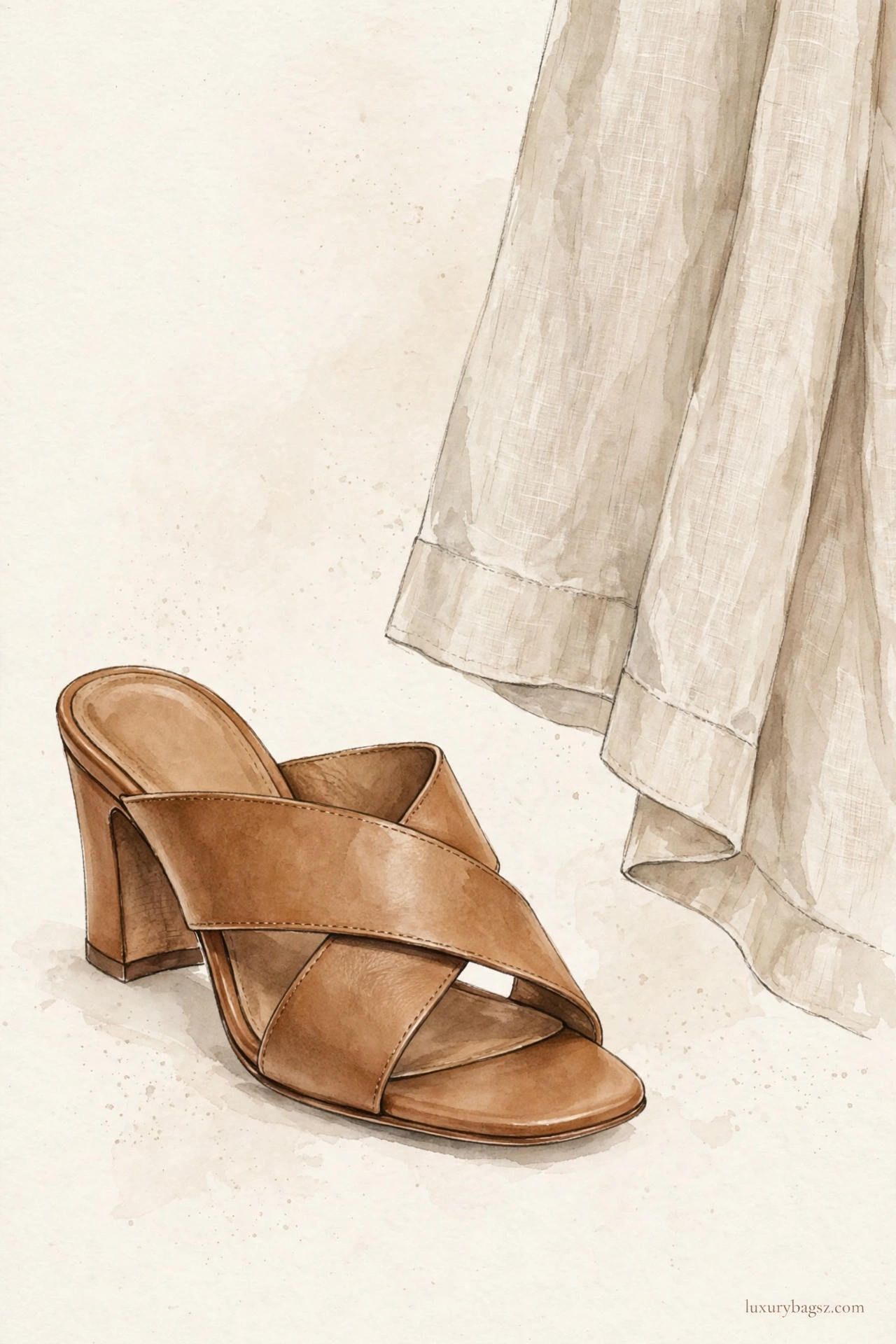
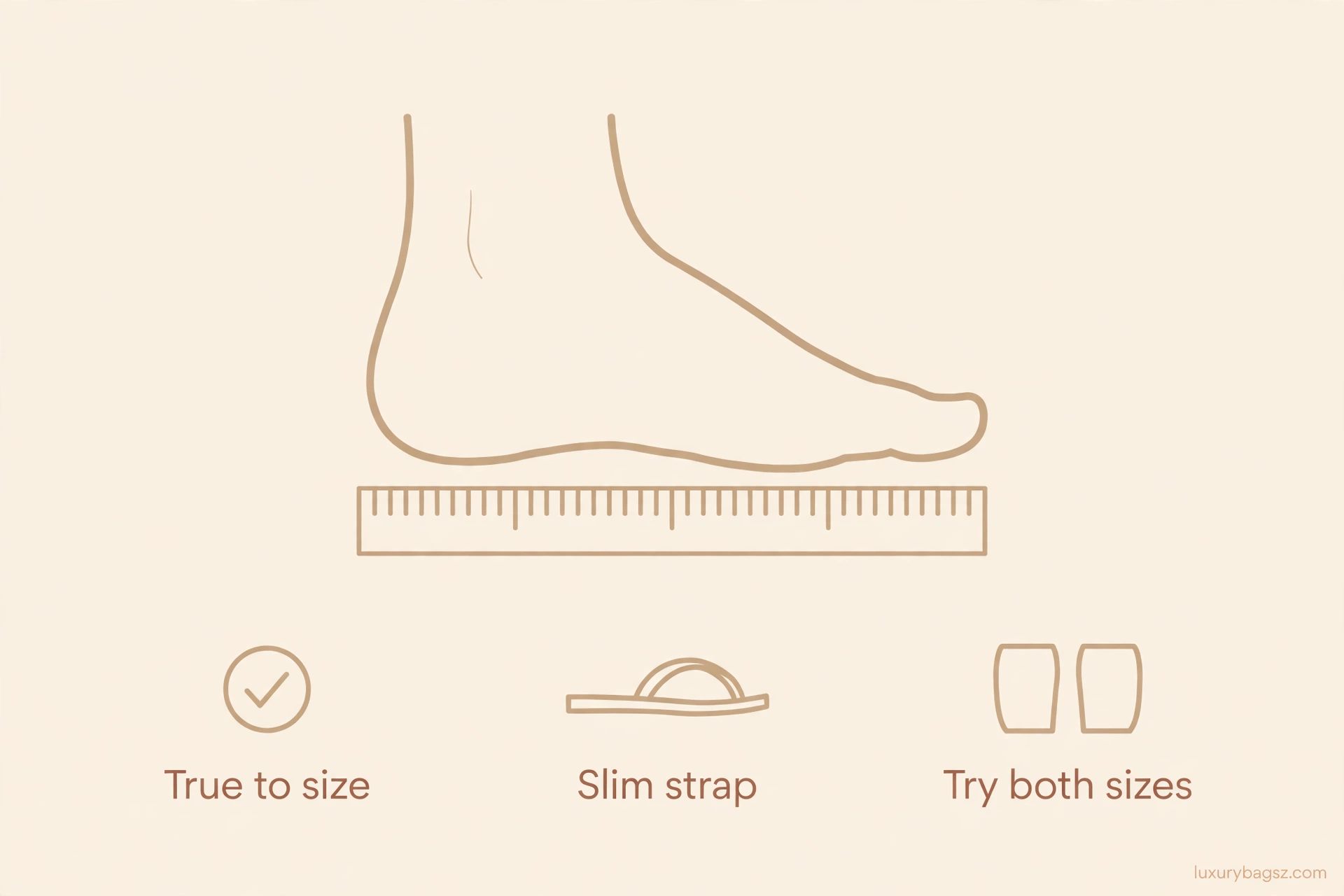
The Hermès Eze sandal is best known as the Eze 30, a heeled slide with a low 30 mm heel and wide leather straps. Most buyers find it true to size in length, but the straps sit snugly at first.
If your feet are wide, or you are between sizes, try the half size up before you commit. A slide has no ankle strap and no buckle, so the fit across the toes does all the work of holding your foot in place.
Expect to pay around $1,100 to $1,250 at retail in the United States, based on recent listings that put the recommended price near $1,200. Resale prices for unworn pairs often sit close to that figure.
Key Takeaways
- The Eze 30 has a low 30 mm heel, so it dresses up like a sandal but walks more like a smart flat.
- Length usually runs true to size, while the wide straps can feel tight on wider feet at first.
- Between sizes or wide across the toes? Try the half size up and walk on carpet before deciding.
- Retail is reported around $1,200 in the US, and unworn resale pairs often list near retail.
- The leather straps soften with wear, but the footbed shape and heel height never change.
- Keep the leather soles dry, and consider a thin protective sole if you walk on wet pavements.
Sizing First: How the Eze Fits
Start with your usual Hermès shoe size if you have one. The Eze is built on a similar approach to the house's other women's sandals, and most wearers report the length as honest rather than generous or short.
The point that catches people out is width. The straps are broad and sit quite flat against the foot, which looks elegant but leaves less give than a sandal with an adjustable buckle.
Our Hermès Oran sandals sizing guide covers the flat Oran in detail, and the same rule helps here: judge the fit by where your toes land, not by how the straps feel in the first minute.
Your heel should sit fully on the footbed with a small margin behind it. If your heel hangs over the back edge, the size is too small, whatever the straps feel like.
Toes should not spill over the front edge either. In a slide, toes that reach the very front tend to grip as you walk, which tires the foot and scuffs the footbed edge.
If you usually take a half size in closed shoes, try both the half size and the full size above it. Slides forgive a touch of extra length far better than they forgive tight straps.
The Eze 30 Design, Explained Simply
The Eze 30 is a slip-on slide rather than a strappy sandal. Two wide bands of leather cross the front of the foot, and there is no fastening to adjust, loosen or tighten.
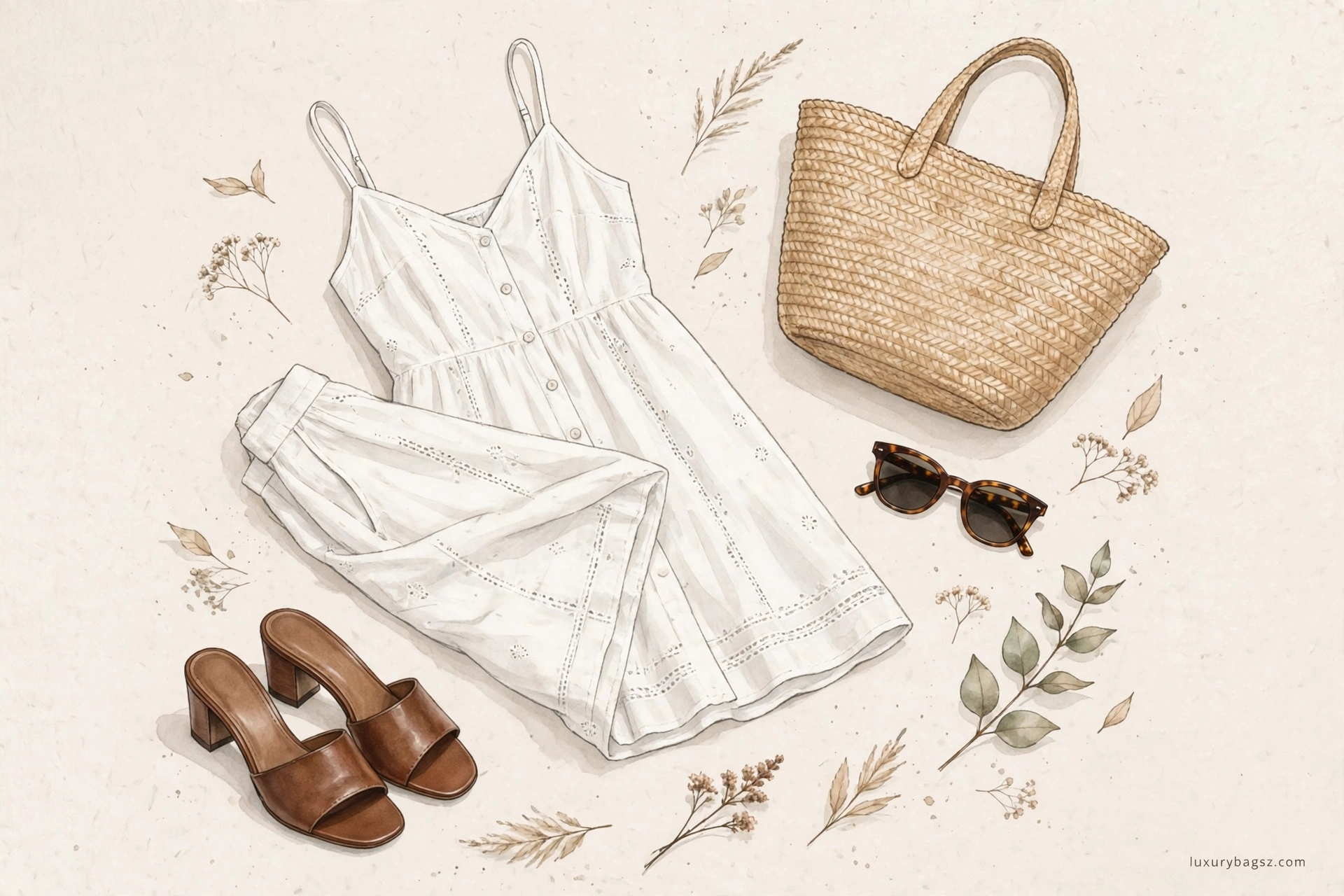
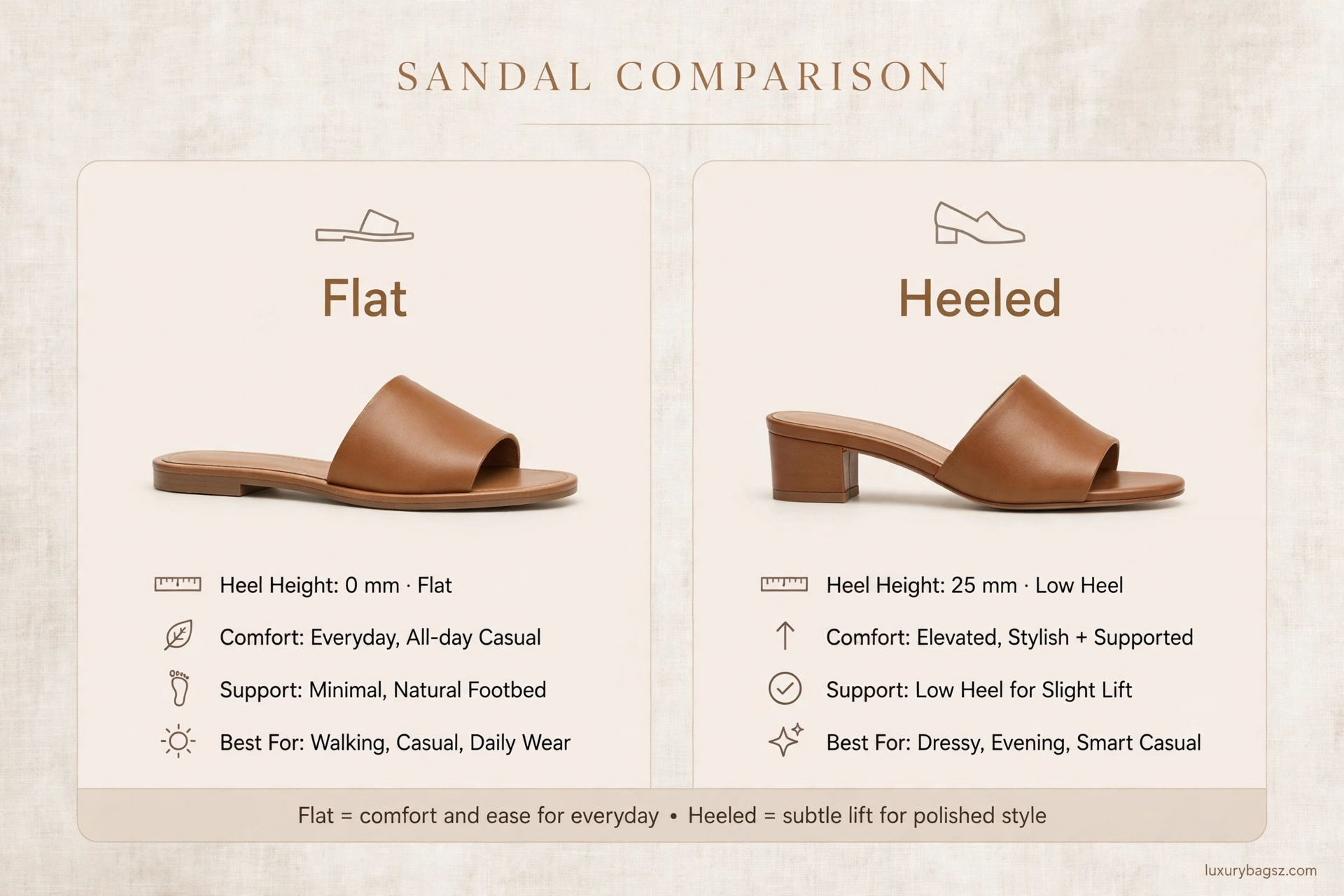
The 30 in the name points to the heel height of about 30 mm. That small lift changes the posture of the shoe: it reads as polished with dresses and tailoring, where a flat slide can look casual.
Most versions are made in calfskin or similar smooth leathers, in colours that rotate by season. Black, white and tan tones are the staples, with brighter shades appearing in summer ranges.
The sole is leather, in line with the house's dressier sandals. Leather soles feel refined and mould gently to the foot, but they are not made for wet streets or long gravel paths.
Because there is no ankle strap, the Eze suits short to medium distances best. It is a lunch, gallery and evening sandal, not a sightseeing shoe for a full day on cobbles.
Colours, Leathers and Seasonal Versions
Core colours are the safest buy if you want maximum wear. Tan and gold tones pair with almost every summer wardrobe, black reads smartest after dark, and white is the holiday favourite.
Seasonal colours and finishes appear for a limited run and can be harder to replace later. If you fall for a seasonal shade, buy it when you see it in your size rather than waiting.
Smooth calfskin is the classic finish and the easiest to care for. Suede versions look softer and more relaxed, but they mark more easily and dislike rain even more than smooth leather.
Some pairs appear with contrasting stitching or a two-tone strap. These small details do not change the fit, so choose on looks and on how the pair will work with your clothes.
Think about your wardrobe honestly. A sandal you wear forty times a summer at this price is a better buy than a striking colour you reach for twice.
Price: What the Eze Costs Now
Recent US listings put the Eze 30 at around $1,200 recommended retail, and boutique prices in other markets move with local taxes and currency. Treat any single figure as a guide, not a promise.
In the United Kingdom and Europe, expect a broadly similar level once taxes are included, typically in the high hundreds of pounds or just over one thousand euros for core leather versions.
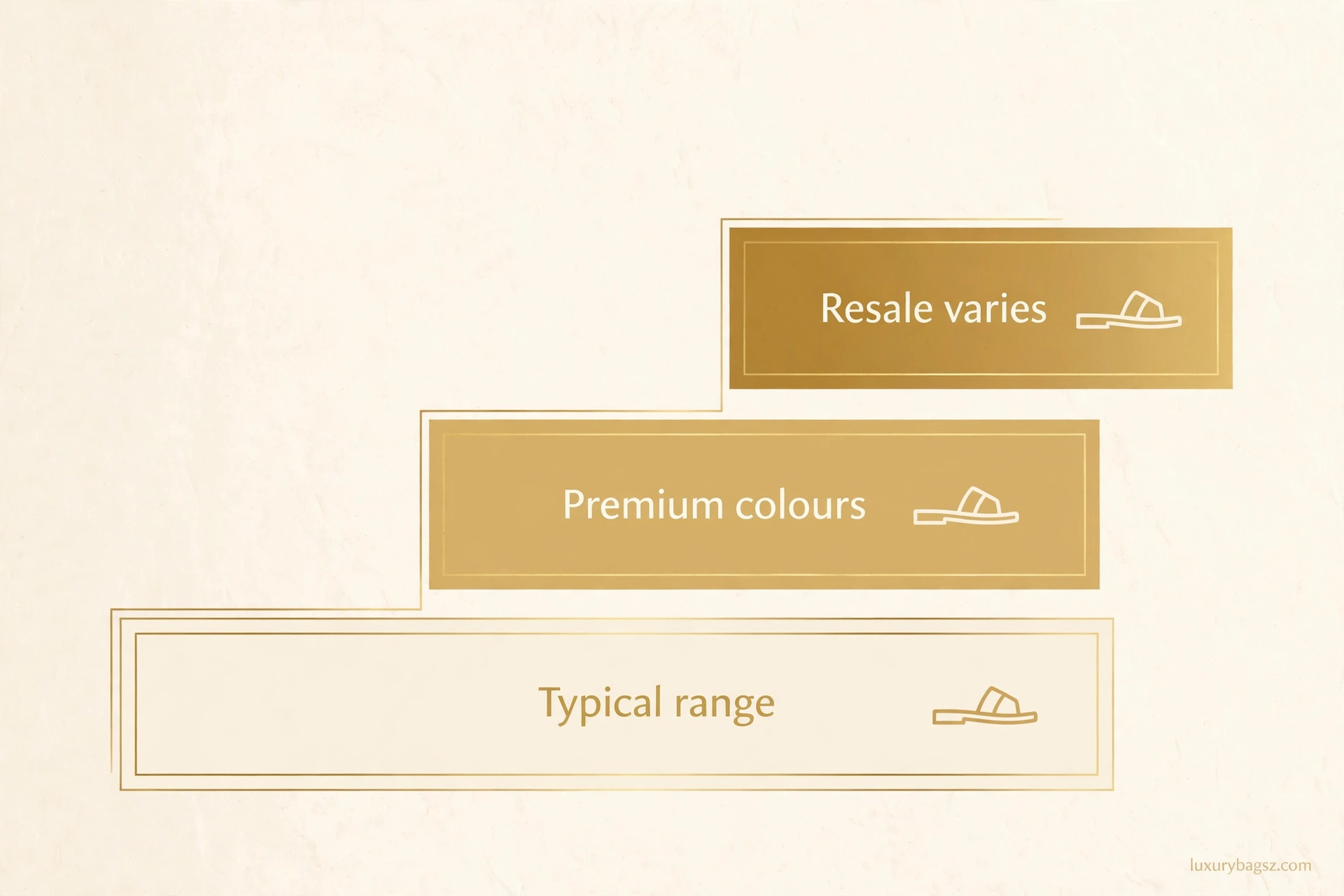
Resale tells a useful story. Unworn pairs in popular sizes and colours often list between about $900 and $1,260, which suggests the style holds value but rarely commands a large premium.
Worn pairs drop further, and condition matters a great deal with pale leathers. Check strap edges, footbed darkening and sole wear in photos before judging a resale bargain.
Remember that Hermès adjusts prices periodically. If you are comparing an older listing with a boutique quote, a gap of five to ten per cent may simply be a price rise.
Comfort and Break-In, Honestly
The first wears can feel firm. Smooth leather straps need a few outings to soften and shape to your foot, and the footbed has little padding compared with a trainer or a chunky sandal.
Break them in at home first. Wear the pair around the house for half an hour at a time, then on short outings, before you plan a long evening in them.
The low heel helps comfort more than you might expect. Thirty millimetres is enough to take the flatness out of the stride without tipping weight onto the toes.
Hot weather changes the fit slightly. Feet swell through the day, so a pair that feels perfect in a cool morning boutique can feel snug by a warm evening.
If the straps rub at one point, a small area of moleskin on the skin for the first wears usually solves it. Persistent cutting or slipping means the size or the style is wrong for your foot.
Eze vs Oran, Oasis and Izmir
The Oran is the flat icon: one wide strap, no heel, endlessly copied. The Eze takes a similar slide idea and adds height and a dressier mood, so the two suit different moments.
The Oasis is the closer cousin, another heeled slide, but with a different strap shape. Trying both is worthwhile if your boutique has them, as small strap changes alter the fit.
Our Hermès sandals comparison lays the main styles side by side, and it is a good first read if you are choosing between two pairs.
For a men's comparison point, the Hermès Izmir sandals show how the house handles the same slide idea in a flat, wider fit.
Choose the Eze when you want polish: summer weddings, smart dinners and tailored trousers. Choose a flat when the day involves distances, lawns or beach paths.
Care, Soles and Storage
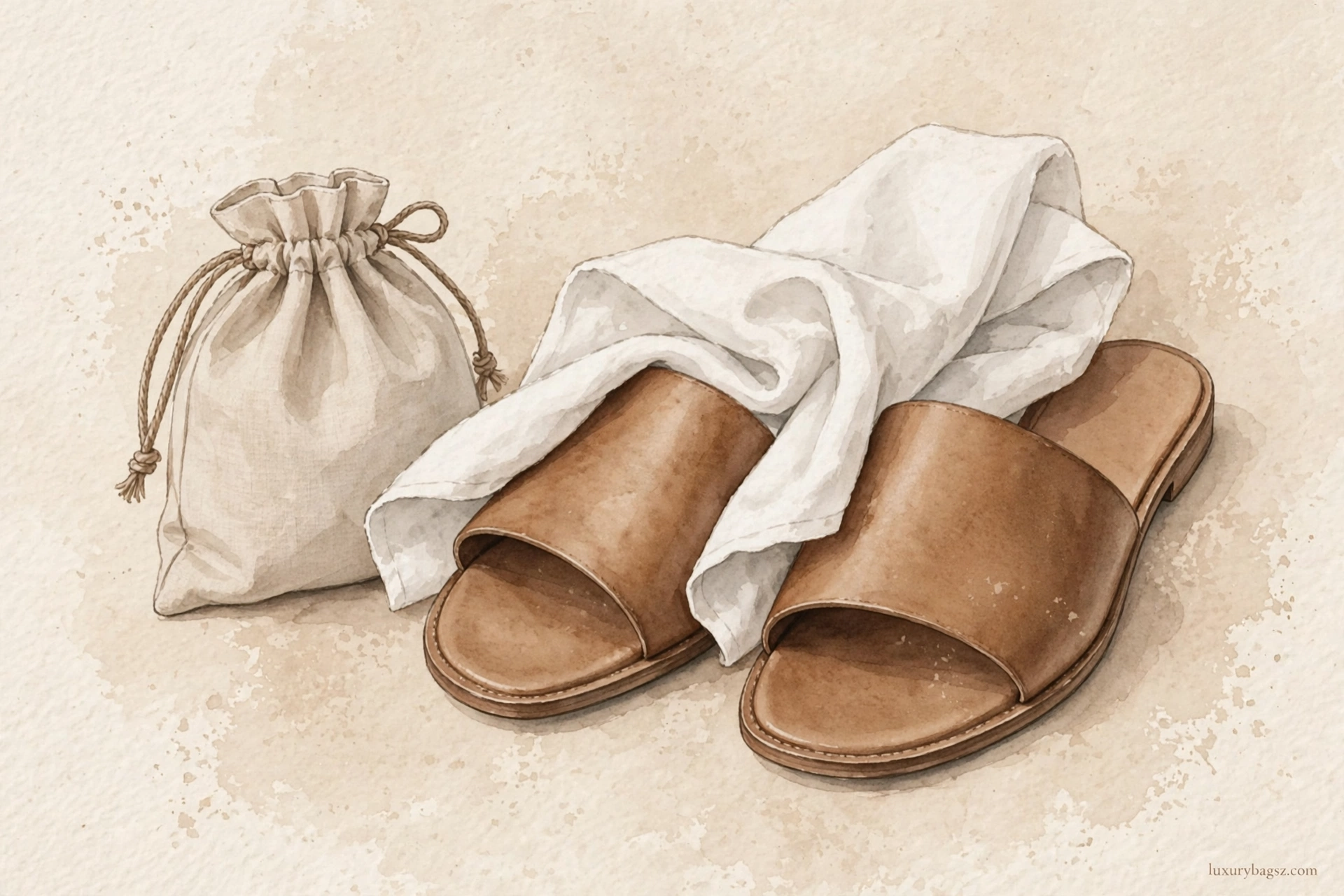
Wipe the straps with a soft, dry or barely damp cloth after wear, and let the pair air before you box them. Leather that goes away damp can darken at the footbed.
Keep the Eze away from rain where you can. A soaked leather sole wears faster and can stain, and wet straps may dry with marks if they are not blotted and aired promptly.
A cobbler can fit a thin rubber protective sole once the leather sole has been worn in. Many owners do this to add grip and slow wear, and it does not change the look from above.
Store the sandals in their dust bags, stuffed lightly at the toe to hold the strap shape. Keep pale pairs away from dark denim and dark leather, which can transfer colour in storage.
Cream products should be used sparingly and only on smooth leather, tested first in a hidden spot. Suede needs a suede brush and spray protector rather than creams.
Buying Well: Boutique, Online and Resale
Boutique buying gives you the try-on, which matters more for a backless slide than for almost any other shoe. If you shop online, confirm the returns route before you order.
Ask for your size and the half size above if stock allows. Ten minutes walking on the boutique carpet tells you more than any size chart about whether the straps will work.
On resale platforms, ask for clear photos of the sole stamp, the footbed, both strap edges and the heel tips. Blurry listings at a low price are rarely the bargain they seem.
Check that the listing states the heel version. Sellers sometimes shorten names, and a flat slide and the Eze 30 are different shoes at different prices.
Finally, buy the pair you will wear with the clothes you already own. The Eze rewards regular wear: the leather softens, the cost per wear falls, and the fit becomes truly yours.
Frequently Asked Questions
Do Hermès Eze sandals run true to size?
In length, generally yes. Most wearers take their usual size, but the wide straps can feel snug on wider feet, so between sizes usually means trying the half size up.
What does the 30 in Eze 30 mean?
It refers to the heel height of about 30 mm. The lift is low and stable, which is why the sandal feels dressier than a flat slide without behaving like a high heel.
How much does the Hermès Eze sandal cost?
Recent US listings suggest around $1,200 at retail, with small differences by market and leather. Unworn resale pairs often list between about $900 and $1,260.
Are Eze sandals comfortable for all-day wear?
They suit short to medium distances once broken in. The footbed has little cushioning and there is no ankle strap, so most owners would not choose them for a full day of sightseeing.
Can I wear Eze sandals in the rain?
It is best not to. The leather sole and straps dislike soaking, and wet leather can mark as it dries. Save the pair for dry days and let them air fully if they do get caught out.
How do Eze sandals differ from the Oran?
The Oran is flat with a single wide strap, while the Eze 30 is a heeled slide with a dressier shape. They share a slip-on idea but suit different outfits and occasions.
Should I add a protective sole to my Eze sandals?
Many owners do. A cobbler can fit a thin rubber sole layer that adds grip and slows wear on the leather sole. Have it done after a few wears, once the sole has roughed in.
Do the straps stretch over time?
Smooth leather straps soften and give slightly with wear, which is why the first wears feel firmest. They will not stretch a full size, so do not buy a painfully tight pair hoping for change.
Which Eze colour is most versatile?
Tan and gold tones work with the widest range of summer clothes, black is smartest for evenings, and white is a holiday classic. Choose by the colours you actually wear most.
Are Eze sandals worth buying on resale?
They can be, as unworn pairs often list near or below retail. Check sole, footbed and strap photos carefully, confirm the heeled version, and factor in that returns may not be possible.
Final Verdict
The Hermès Eze sandal earns its place when you want a slide with polish: true to size in length, snug in the straps at first, and priced around $1,200 at retail in recent listings.
Try both sizes if you can, break the pair in gently, and keep the leather soles dry. Chosen in a core colour, the Eze 30 is the sort of sandal that quietly lifts a whole summer wardrobe.