

Half-Moon Bags: Best Crescent and Half-Moon Designer Bags to Buy
Half-Moon Bags in Brief: The Curve That Sits Close
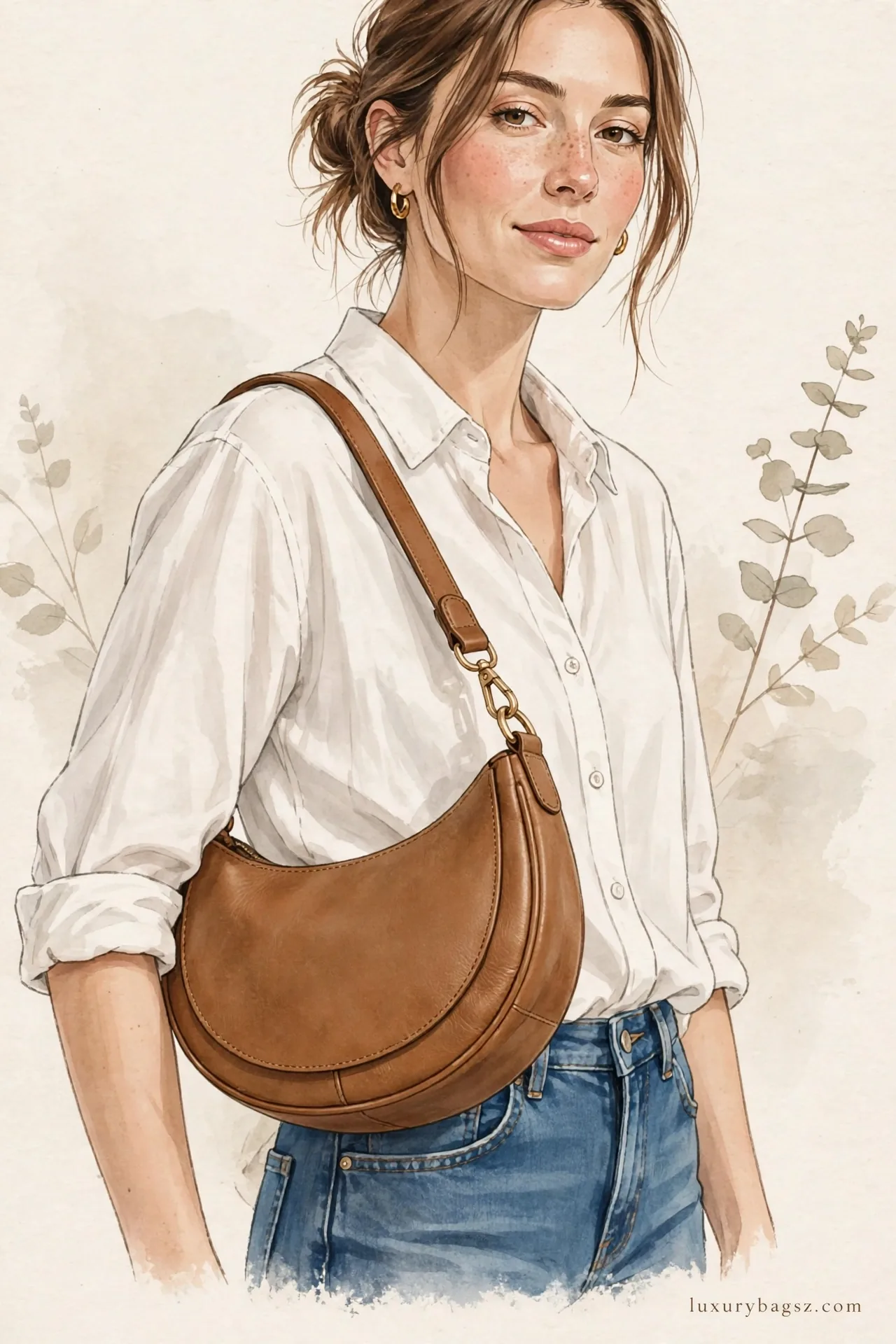
A half-moon bag is a crescent-shaped bag with a flat base line and a curved top, designed to sit close under the arm or flat across the body. The best versions hold a phone, a card holder, keys and sunglasses, and they suit minimal carriers who like a clean, modern line. Choose a zip-top crescent for daily security, a short-strap style for evenings, and grained leather if the bag will work daily. Tapered ends waste space, so always test one packed before you buy.
Key Takeaways
- Half-moon bags sit closer and neater than most shoulder bags of similar size.
- Zip-top versions suit daily use, while open crescents suit evenings only.
- Medium sizes hold a phone, cards, keys and sunglasses in a soft case.
- Curved ends reject bulky wallets, so pair the shape with a flat card holder.
- Grained leather holds the curve best through daily wear and storage.
- The shape recurs across houses, from Celine minimalism to Balenciaga attitude.
What Counts as a Half-Moon Bag
The defining feature is the silhouette: a straight or gently curved base, rising sides and a rounded top that forms a clear half-moon or crescent outline when carried. Balenciaga's crescent shows the bolder end of the family, with studs and tassels on a curved body. Our Balenciaga Le Cagole bag guide covers that famous crescent in full detail. At the quiet end, minimalist houses cut the same curve in plain grained leather with a tiny logo. The shape itself does the decorative work, which is why it dates slowly. Half-moons differ from hobos by structure: a hobo slouches into a curve, while a true half-moon is cut and built to hold its crescent from the start.
Sizes and What Fits Inside
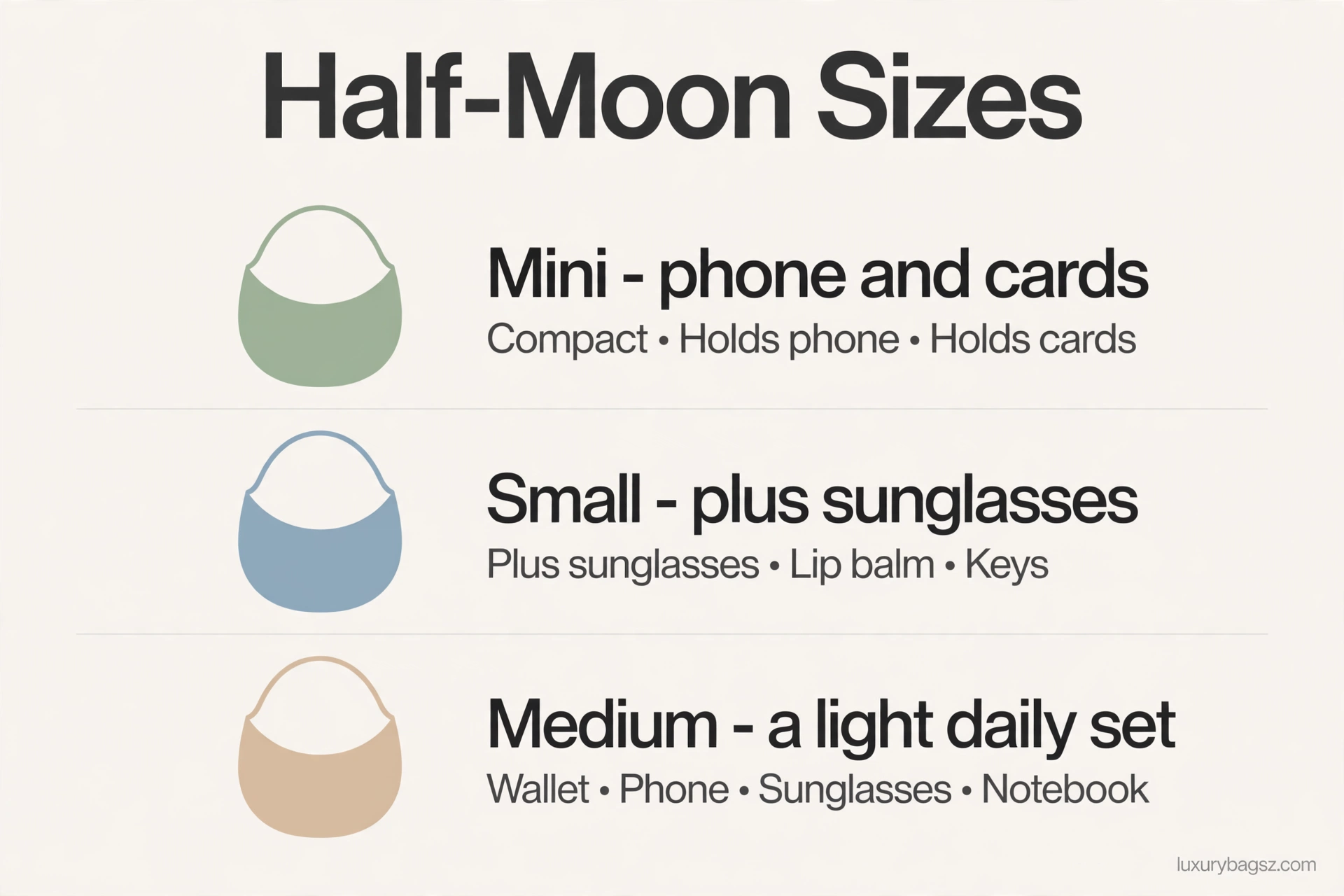
Mini half-moons, roughly 18 to 22 cm wide, hold a phone, a card holder and keys. Their tapered ends are mostly decorative, so expect less room than the width suggests. Small to medium styles, roughly 24 to 30 cm wide, add sunglasses in a soft case and a lip product. This is the useful daily size, especially with a zip and an interior slip pocket. Larger crescents exist but lose the shape's neat advantage, swinging more and gaping at the top. If you need that capacity, a camera bag or small tote will serve you better. Pack flat items along the curve, with the phone at the centre where depth is greatest. Forcing rectangular pouches into the ends distorts the silhouette and stresses seams.
The Designer Half-Moons Worth Knowing
Celine's small half-moon styles pair the curve with the Triomphe clasp, giving a polished, minimal result. The video with this guide unboxes a recent Celine half-moon in detail. Gucci has used half-moon shapes across its Marmont and Ophidia families, often in mini sizes with web or chevron details. They lean playful and logo-forward compared with Celine. Polène built its reputation partly on sculptural curves, with its moon-shaped styles offering strong leather at gentler prices. Our Loewe Hammock bag guide shows a related Spanish take on flexible, architectural shapes. Staud, Cult Gaia and other contemporary labels revisit the crescent each few seasons in raffia, acrylic and leather. They are joyful buys, judged best on finishing rather than longevity.
Shoulder or Crossbody: Choosing the Carry
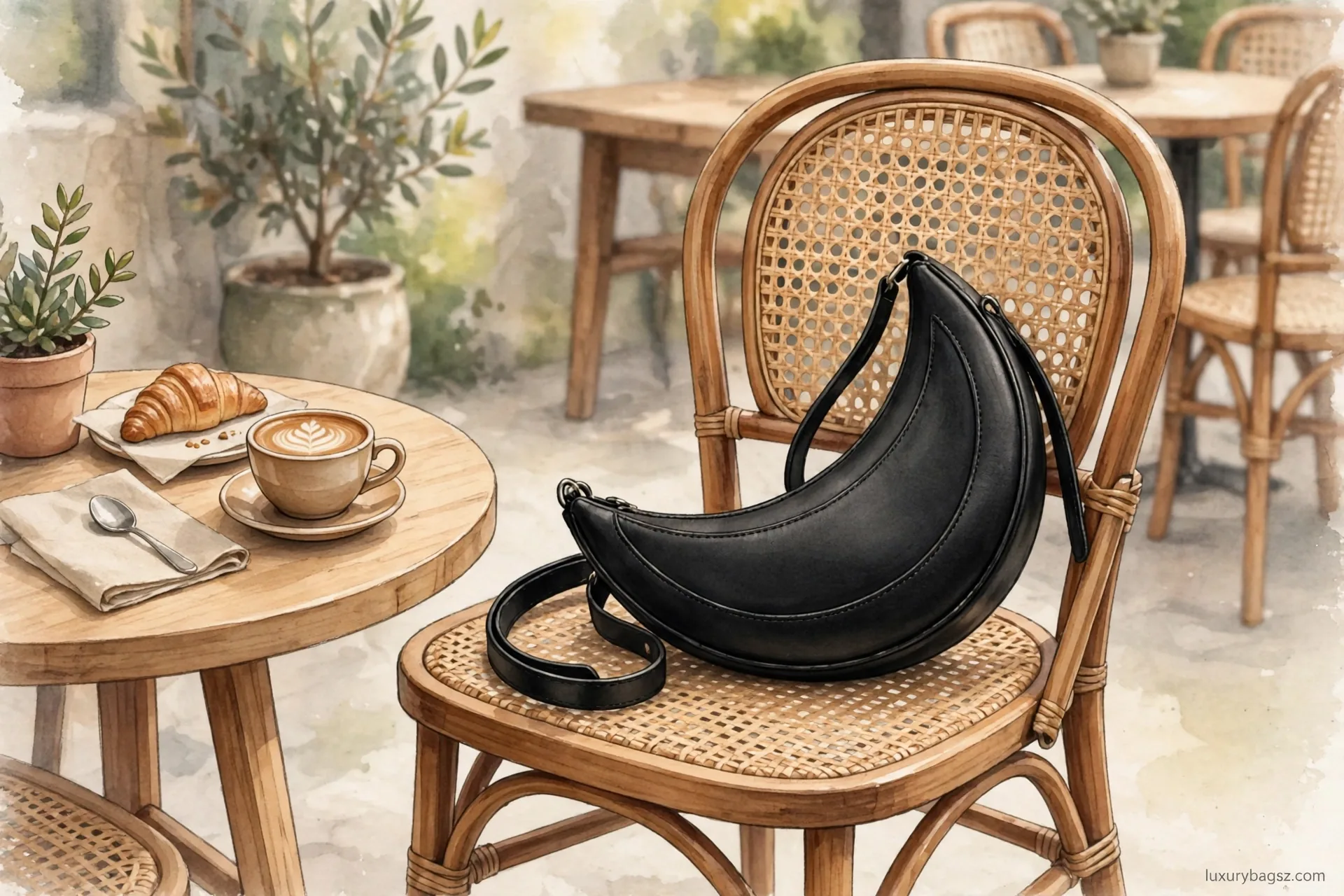
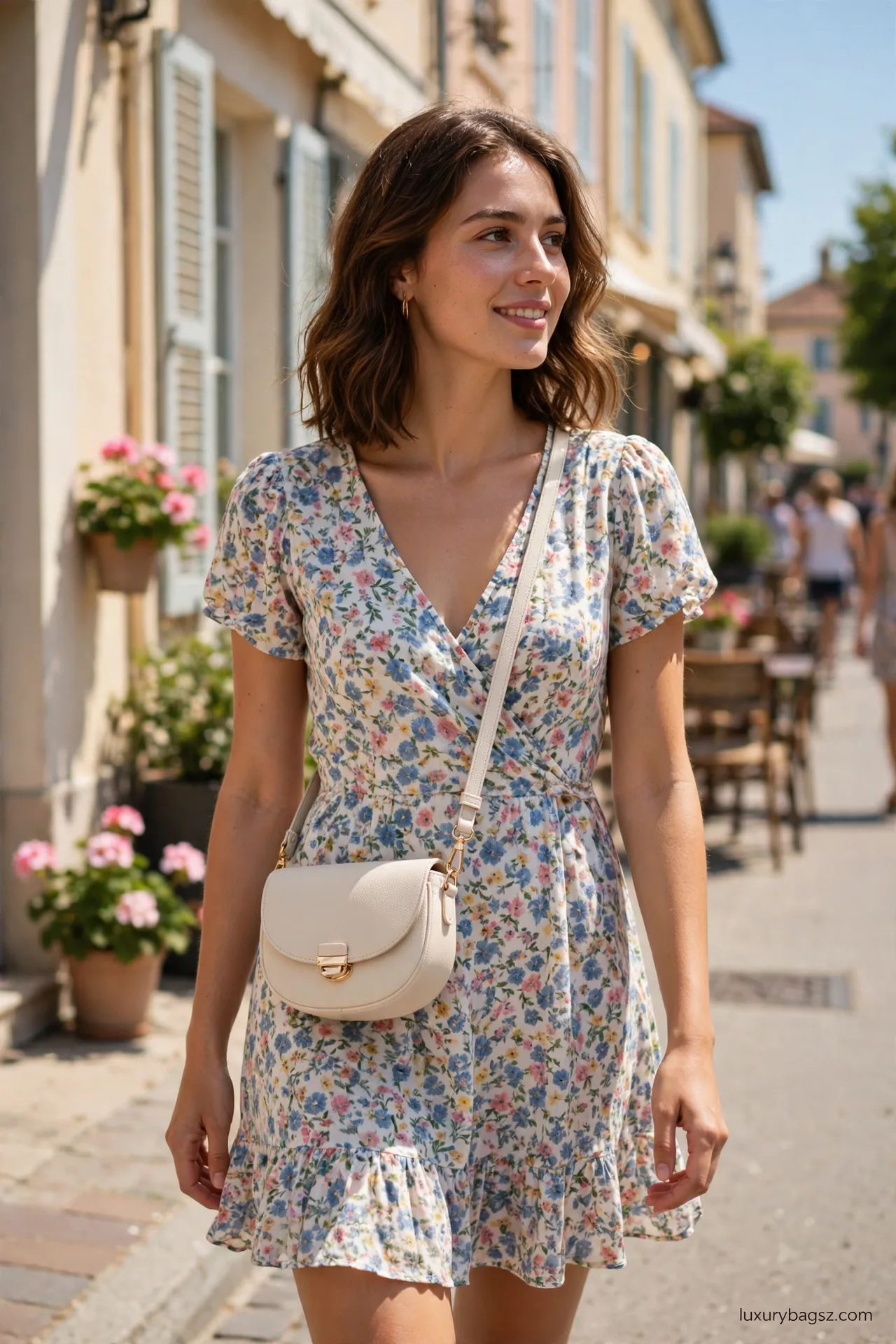
Short-strap half-moons tuck under the arm, 1990s style, and suit evenings and light days. They feel secure in crowds because your arm pins the bag naturally against your body. Longer-strap versions worn crossbody flatten the curve against your hip, which changes the look from sculptural to sporty. Our best designer crossbody bags guide compares those carry trade-offs in full. Adjustable or dual straps offer the best value, since one bag then covers both moods. Check that a doubled shoulder strap still lets the zip open without a fight. Petite wearers should test where the curve's widest point lands. A half-moon that sits at the waist flatters, while one landing at the hip bone can look and feel bulky.
Materials and Structure
Grained leather is the best daily material for this shape, because it holds the curve, hides the scuffs that edges collect and survives being tucked under arms and seatbelts. Smooth leather shows the crescent's lines most beautifully, but it also shows every dent where the curve flexes. Choose smooth finishes for lighter, smarter use only. Suede and raffia crescents are seasonal charms. Suede marks with rain and rub, while raffia suits holidays, and both ask for storage that protects them from being crushed. Inside, a lining with one slip pocket is enough. Heavy internal structure fights the shape's softness, while no structure at all lets cheaper versions sag into a banana within months.

Prices and Buying Checks
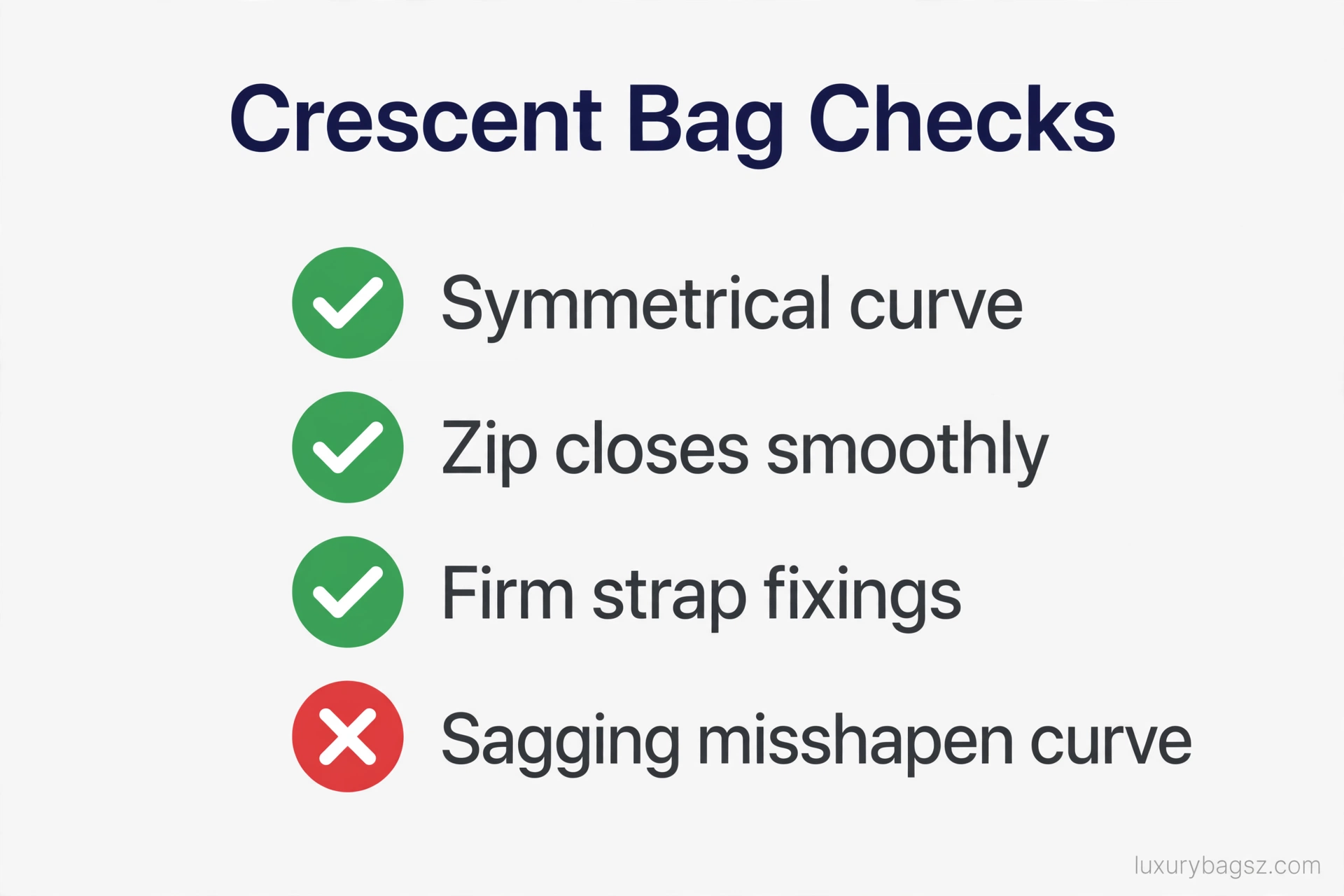
New designer half-moon bags typically range from around £300 for contemporary leather to £1,800 and above for major houses, with mini logo styles from famous names in between. Our designer bags under $1500 guide includes several crescent and moon styles at sensible prices, since this shape thrives in that budget band. Before buying, load the bag and look in a mirror: the curve should stay symmetrical, the zip should close without pulling, and the strap attachments should not twist the body. Pre-owned, check the curve's ends and base for creasing and colour loss. Those flex points age first, and a misshapen crescent cannot be steamed back to its first elegance easily.
Styling and Care for Crescent Shapes
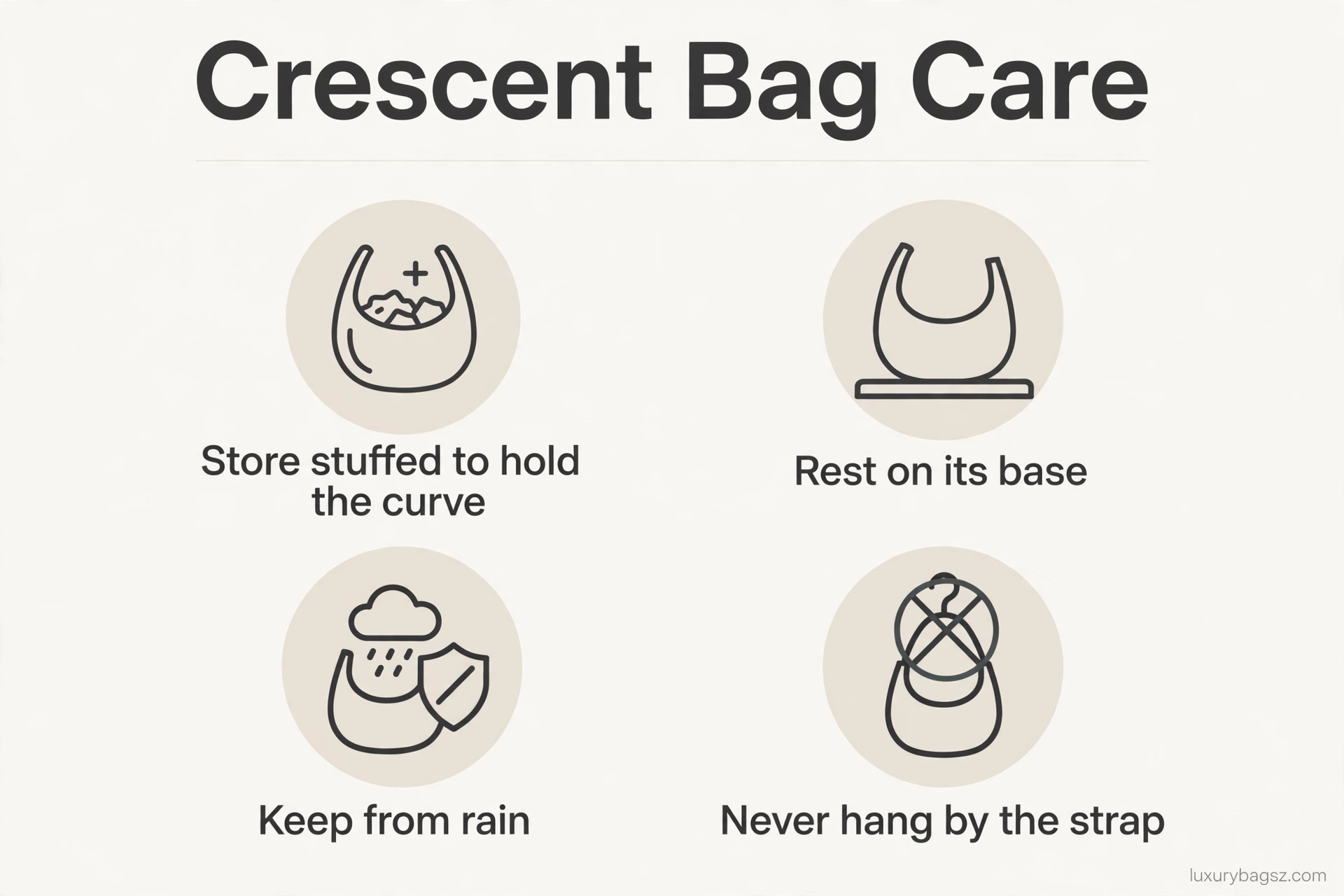
Half-moons pair naturally with simple lines: straight trousers, slip dresses, oversized shirts and knit sets. The curve supplies the interest, so prints and heavy jewellery can stay home. For evening, a small black or metallic crescent on a short strap reads modern where a clutch reads classic. It also leaves one hand freer than a clutch ever allows. Store the bag stuffed along its curve, resting on its flat base, in its dust bag. Storing it hanging by its strap pulls the crescent lopsided over time. Wipe grained leather with a soft, dry cloth, keep all versions from prolonged rain, and rest the bag between heavy weeks. Curves that are rested keep their symmetry far longer.
Half-Moon or Another Shape: The Honest Call
Choose a half-moon if you carry light, like modern minimal shapes and want a bag that sits unusually close and neat. It is one of the most comfortable small shapes to wear. Choose a camera bag instead if you carry a bulky wallet, a paperback or a small camera daily. Straight sides use space better, even if they look less sculptural. Choose a hobo if you prefer slouch and capacity in one. The half-moon's structure is its beauty, but it will never swallow a hobo's forgiving, expandable load. For a first crescent, a medium grained leather style in black or tan, with both strap options, is the safest and most wearable place to start.
Frequently Asked Questions
What is a half-moon bag?
It is a crescent-shaped bag with a flattish base and a curved top, built to hold its half-moon outline. It sits close under the arm or across the body and suits light, minimal carrying.
What fits in a half-moon bag?
A medium typically holds a phone, a flat card holder, keys, sunglasses in a soft case and a lip product. Bulky wallets and pouches fight the tapered ends, so pack flat items centrally.
Are half-moon bags still in style?
Yes. The crescent recurs across designer collections, from Celine and Gucci to contemporary labels, because its clean curve dates slowly compared with heavily decorated trend bags.
Which brands make the best half-moon bags?
Celine for minimal polish, Gucci for playful logo styles, Balenciaga for its studded crescent, and Polène for sculptural leather at gentler prices are the names most buyers compare.
Is a half-moon bag practical for every day?
For light carriers, yes, especially zip-top medium styles in grained leather. If you carry books, bottles or bulky pouches daily, a camera bag or tote will serve you better.
How much do half-moon bags cost?
Typically around £300 to £1,800 and above, depending on house and leather. Contemporary leather styles sit at the lower end, and major-house versions at the higher end.
Should I choose shoulder or crossbody carry?
Short straps suit evenings and under-arm security, while longer straps suit hands-free days. Adjustable or dual-strap styles give both, and they offer the best value overall.
How do I stop a crescent bag losing its shape?
Store it stuffed along the curve, on its base, in its dust bag, never hanging by its strap. Avoid overloading the tapered ends, which stresses seams and bends the silhouette.
What leather is best for a half-moon bag?
Grained leather holds the curve best and hides daily scuffs. Smooth leather shows the shape most sharply but dents more visibly, so it suits gentler, smarter use.
How do I check a pre-owned half-moon bag?
Inspect the curve's ends and base for creasing and colour loss, test the zip under load, and check symmetry in a mirror. A sagging, lopsided crescent is hard to restore.
Conclusion: A Clean Curve for Light Carriers
The half-moon bag earns its place by doing less, beautifully: carrying the essentials close, in a shape that needs no logos or hardware to be recognised. In medium grained leather with a zip, it is a genuinely useful daily bag. Buy it packed-test first and store it stuffed, and its curve will stay as clean in year three as it looked in the shop.






