Bel Ami by Hermès: Notes, Longevity and Price
The Short Answer on Bel Ami
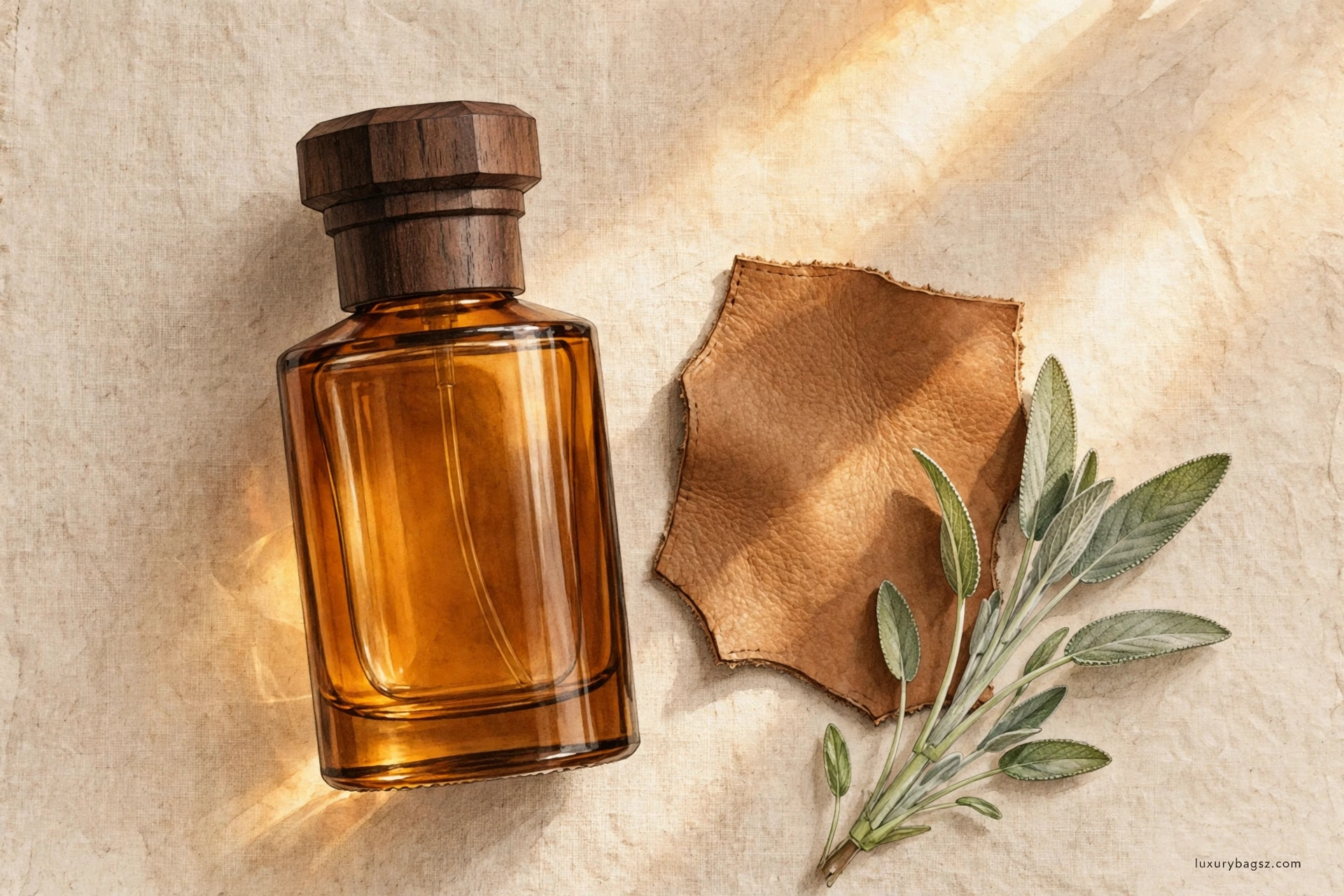
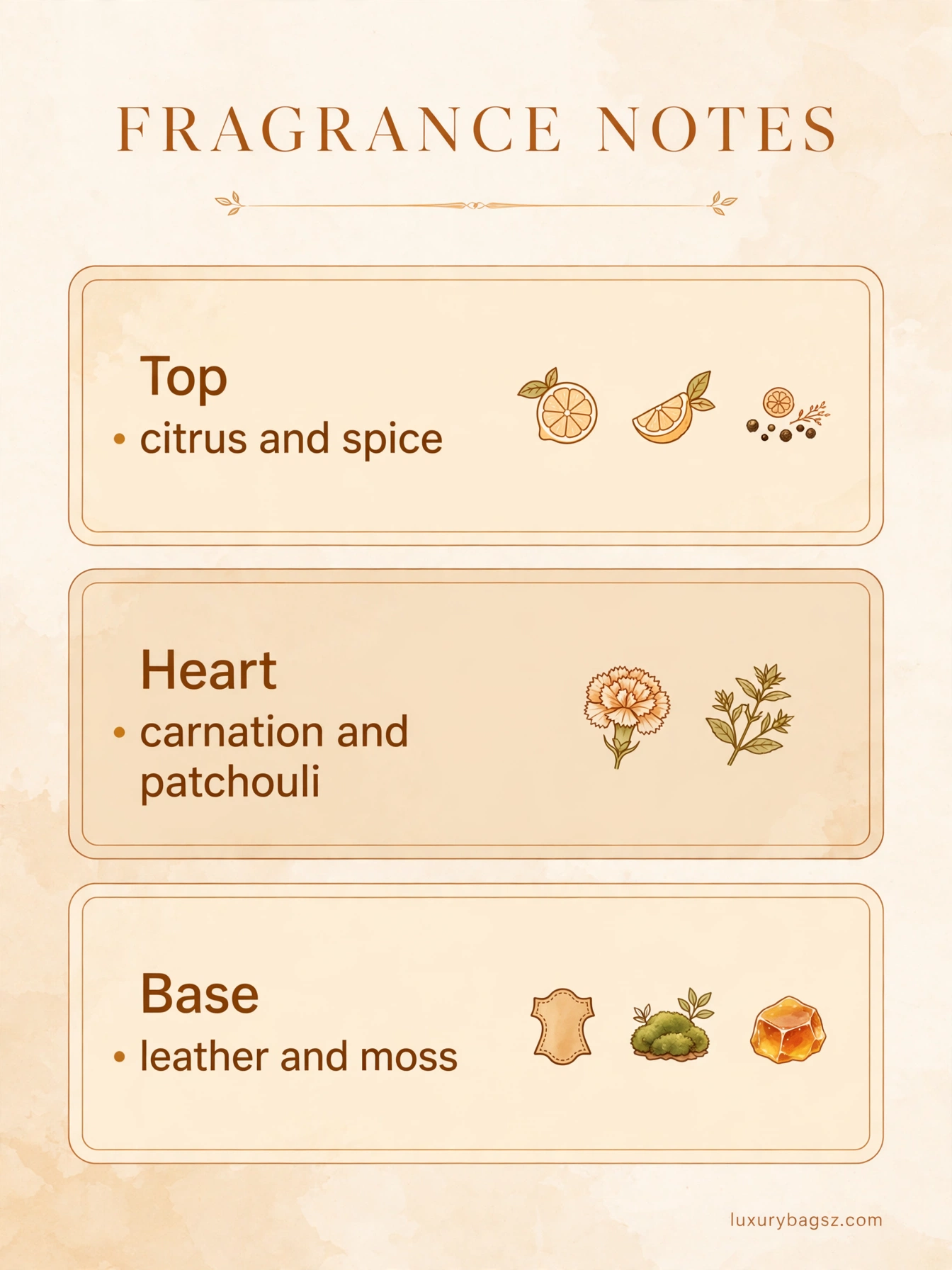
Bel Ami is Hermès' great leather fragrance for men, launched in 1986 and created by perfumer Jean-Louis Sieuzac. It smells of citrus and spice over carnation, patchouli and a warm leather and moss base.
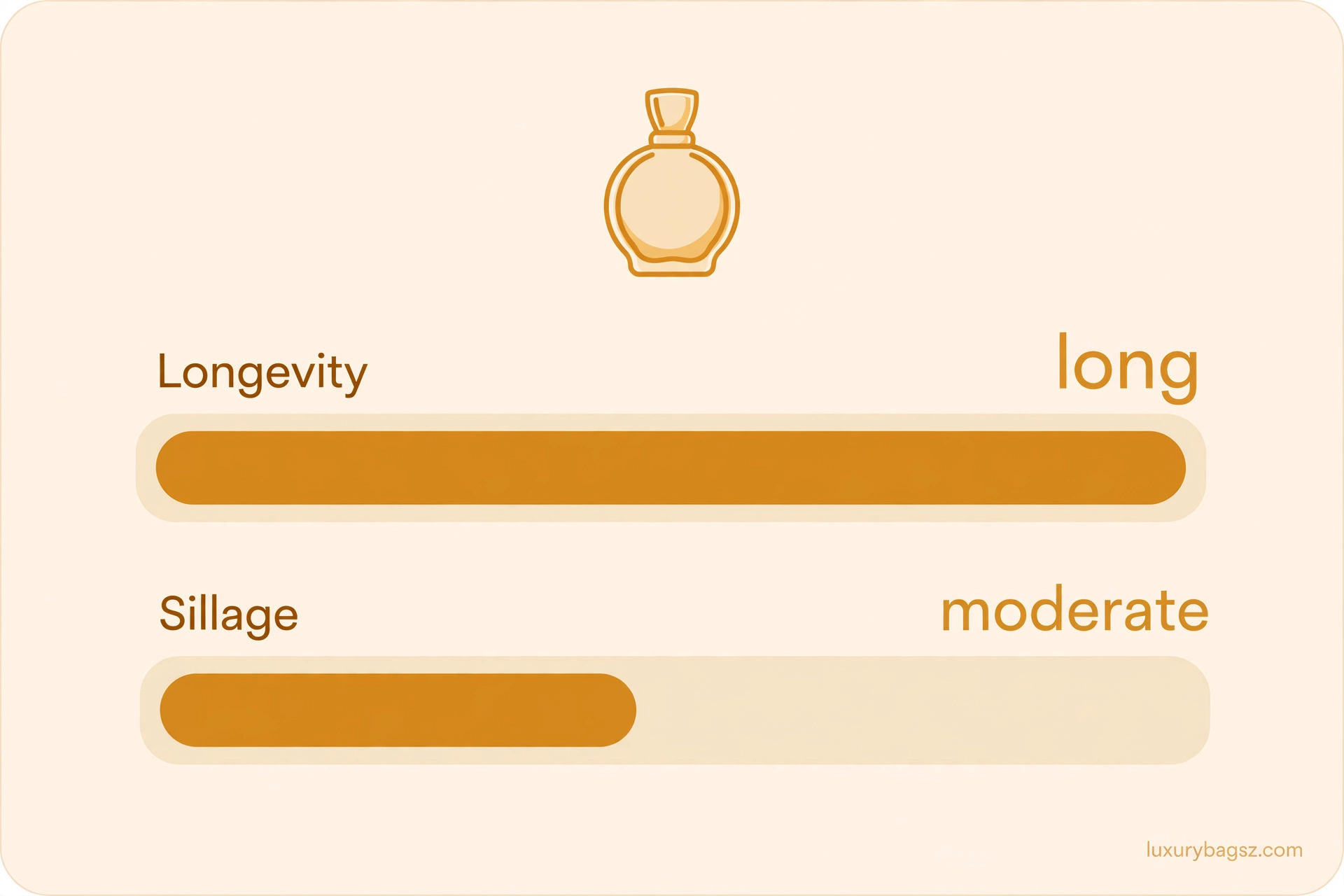
Longevity is a strength: most wearers report around six to eight hours, with moderate sillage that stays polite in offices. It is an eau de toilette, but it performs like a much richer scent.
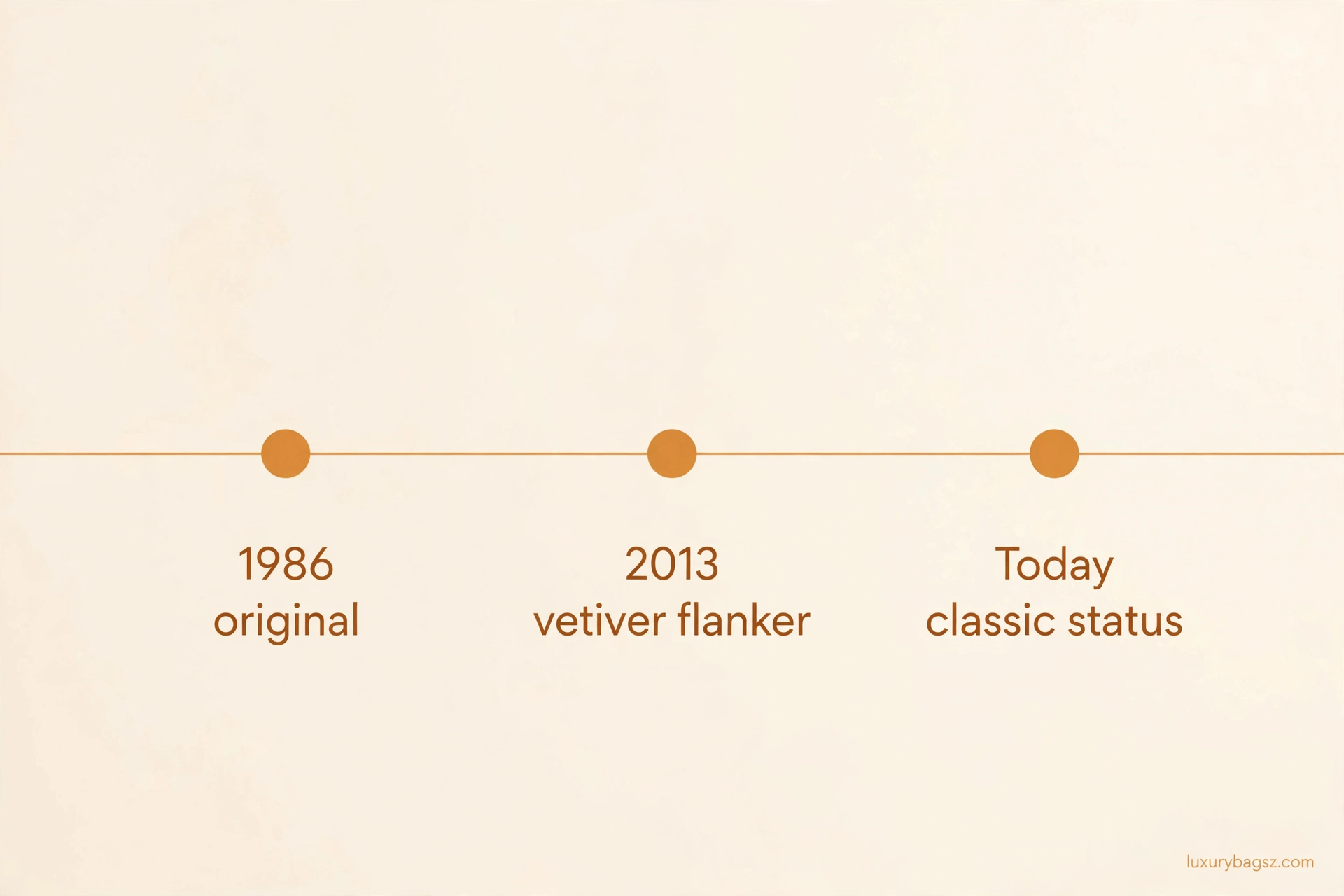
The standard bottle is 100 ml, with retail typically around $170 to $190 in the United States. A greener flanker, Bel Ami Vétiver, followed in 2013 for those who find the original too dense.
Key Takeaways
- Bel Ami launched in 1986, created by Jean-Louis Sieuzac, and remains a reference leather chypre.
- Notes run from bergamot, lemon and cardamom through carnation and patchouli to leather, oakmoss and styrax.
- Expect roughly six to eight hours of wear and moderate projection, stronger in the first hours.
- Bel Ami Vétiver from 2013, by Jean-Claude Ellena, is the greener, airier reading of the same idea.
- The 100 ml eau de toilette typically sells around $170 to $190 in the US at full retail.
- It suits autumn, winter and evenings best, and rewards a light hand: two to three sprays are plenty.
What Bel Ami Smells Like, Simply Put
Bel Ami opens bright rather than heavy. Bergamot, lemon, mandarin and sage give a fresh, almost cologne-like start, with cardamom adding warmth from the first minutes.
Within half an hour the character changes. Carnation brings a clove-like spice, patchouli adds earth, and the leather begins to show through, polished rather than smoky or harsh.
The drydown is the part owners love most: leather softened by styrax, benzoin-style resins, a little vanilla and coconut warmth, and oakmoss keeping everything dry and grown-up.
Reviewers often call the overall effect golden. It is rich, but the citrus top and herbs keep air running through it, so it never feels like the heavy animalic leathers of its era.
If you know modern niche leather scents, Bel Ami is their well-mannered ancestor: the same leather idea, tailored, balanced and easy to wear in company.
The Notes, Part by Part
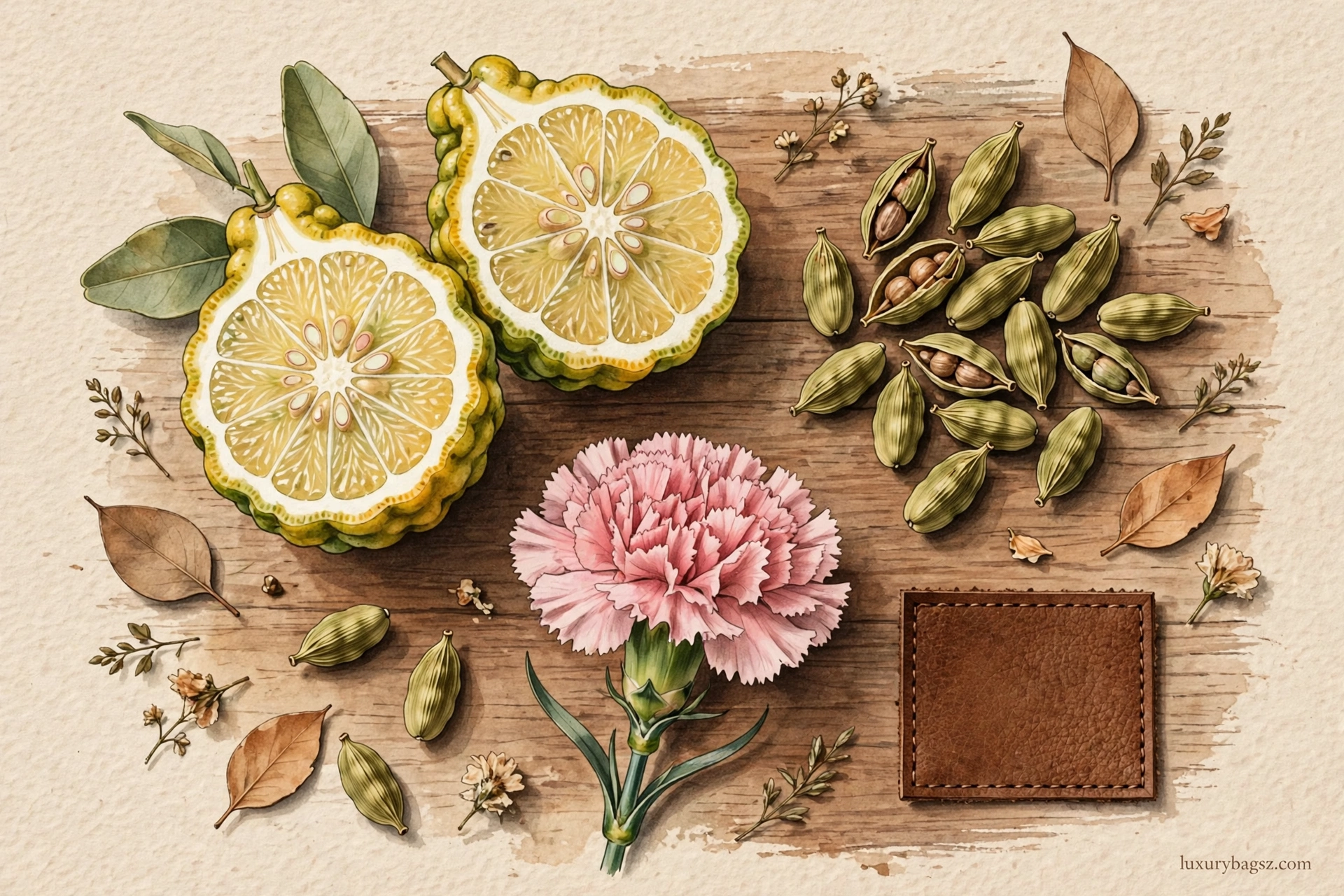
Top notes are usually listed as bergamot, lemon, mandarin orange, sage and cardamom. Together they explain the surprisingly fresh opening that keeps Bel Ami wearable today.
Heart notes include basil, carnation, cedar, jasmine, orris root and patchouli. Carnation is the signature here: its spicy, clove-like tone bridges the citrus and the leather.
Base notes bring amber, coconut, leather, oakmoss, styrax, vanilla and vetiver. The coconut is not tropical; it reads as a soft warmth that rounds the leather's edges.
Note lists vary slightly between sources and across reformulations, which is normal for a fragrance of this age. The structure, though, has stayed recognisably the same.
What matters for a buyer is the journey: fresh and spiced at the start, floral and earthy in the middle, then hours of supple leather in the base.
The Story: 1986 and the Leather Idea
Bel Ami arrived in 1986, in the middle of the powerhouse era, yet it chose refinement over volume. Jean-Louis Sieuzac built it around leather at a time when few fine fragrances dared to lead with that note.
The name means handsome friend, and the scent matches it: confident, warm and sociable rather than brooding. It became a quiet benchmark that later leather fragrances are still measured against.
Hermès has kept it in production for four decades, through changes in rules on ingredients such as oakmoss. The current version is lighter and less mossy than vintage bottles, by most accounts.
That continuity matters. Bel Ami is not a limited edition chasing fashion; it is part of the house's permanent fragrance wardrobe, which makes sampling and replenishing straightforward.
The bottle deserves a mention too. Bel Ami has kept a recognisable silhouette for decades: a substantial glass flacon with a dark cap, more like a decanter than a fashion object.
That design language matters to buyers. On a shelf it reads as serious and permanent, the opposite of a seasonal launch, and it suits the men who tend to adopt the scent.
Hermès sells the fragrance in its boutiques and online with the same presentation worldwide. A bottle bought today will sit comfortably beside one bought ten years ago.
Collectors still hunt early bottles for their denser base. For everyday wear, though, the current eau de toilette keeps the soul of the scent and is easier to wear in modern settings.
Longevity and Sillage: Honest Numbers
Across reviews, Bel Ami commonly lasts six to eight hours on skin, and longer on fabric. Several wearers describe a strong first phase, then a closer, elegant trail.
Sillage sits at moderate. It projects within arm's length for the first two to three hours, then settles into a personal scent bubble that lasts through a working day.
Skin type changes the result. On dry skin the citrus fades faster and the leather arrives sooner; on moisturised skin the whole journey slows and stretches.
Heat lifts the spice and projection, while cold weather deepens the leather and resins. Many owners save it for autumn and winter, when it feels most complete.
Two to three sprays are the sweet spot. Bel Ami is well mannered, but the carnation and leather build quickly, and overspraying can tip it from golden to heavy.
On clothing it can last into a second day. A coat or scarf sprayed once will hold the leather and resins warmly, which is why many owners spray fabric deliberately in winter.
Reapplying is rarely needed before evening. If you do refresh, one spray is enough, because the base from the morning is still present and only the top needs waking.
Who It Suits and When to Wear It
Bel Ami suits men who like classic structure: a clear opening, a spiced heart and a leather base that feels dressed rather than rugged. It pairs naturally with tailoring and knitwear.
It is at its best in the evening and in cooler months, at dinners, theatres and formal workplaces where a warm, composed scent fits the setting.
Younger wearers discovering it often describe it as mature, which is fair: this is not a sweet club fragrance. Worn with confidence and a light hand, though, it reads as distinctive rather than dated.
Office wear is fine at two sprays. The sillage is moderate, the character is clean spice and leather, and colleagues notice polish rather than power.
If you prefer fresh, transparent scents, sample before you buy. Bel Ami's charm is its density and warmth, and it will not pretend to be a summer aquatic.
Bel Ami vs Bel Ami Vétiver
In 2013 Jean-Claude Ellena reinterpreted the scent as Bel Ami Vétiver. It keeps a leather heart but leads with vetiver, which makes it greener, drier and noticeably airier.
Think of the original as the evening version and the Vétiver as the daytime one. The Vétiver wears closer, feels more modern in its transparency, and suits warmer weather better.
Purists tend to keep the original for its richer leather and resin base. Newer buyers often start with the Vétiver and graduate to the original in winter.
Neither replaces the other, and Hermès sells both. If you can, sample them side by side on skin, because paper strips hide the leather drydown that decides the contest.
Price and format are similar, so the choice is purely about character: golden density, or green light.

Price, Bottles and Where It Sits Today
Bel Ami is sold mainly as a 100 ml eau de toilette. Full retail in the United States is typically around $170 to $190, with UK and European prices at a similar level after tax.
Discount and duty-free channels sometimes list it lower, and the Vétiver flanker at around $145 in one recent discounter listing shows the band such channels work in.
Against modern stablemates, it is the classic leather counterpoint to the green, mineral Hermès H24 perfume and the warm chypre leather of the Hermès Barenia perfume.
Value is strong by luxury standards. Few fragrances at this price offer forty years of reputation, a leather drydown of this quality and this level of wearability.
Check batch and seller when buying discounted bottles. Bel Ami's long production run means old stock circulates, and a fresh bottle from an authorised seller is the safer buy.
Sampling, Vintage Bottles and Final Buying Advice
Start with a sample or a boutique spray on skin, and live with it for a full day. Bel Ami's best hours are the leather drydown, which a quick sniff at the counter never shows.
Vintage bottles offer a denser, mossier base that collectors prize, but they carry the usual risks of age, storage and authenticity. Buy vintage for love, not as a first bottle.
Keep an eye on the house's wider heritage while you sample: the Hermès Calèche perfume shows how long Hermès has worked at this level of classic composition.
Store your bottle away from light and heat, upright, in its box if you can. Leather fragrances keep well, and a cared-for bottle will smell true for years.
Buy the original if you want the benchmark leather. Buy the Vétiver if you want its greener shadow. Either way, you are buying one of the most respected men's fragrances ever made.
Frequently Asked Questions
When was Bel Ami by Hermès launched?
Bel Ami launched in 1986. It was created by perfumer Jean-Louis Sieuzac and has remained in production ever since, which is rare for a fragrance of its era.
What are the main notes in Bel Ami?
Citrus, sage and cardamom open the scent. Carnation, patchouli and cedar form the heart, and the base is leather with oakmoss, styrax, vanilla and vetiver warmth.
How long does Bel Ami last on skin?
Most wearers report around six to eight hours, with longer wear on clothing. The first hours project moderately, then the leather drydown stays closer to the skin.
Is Bel Ami strong or overpowering?
It is rich but well mannered. Sillage is moderate rather than room-filling, and two to three sprays give a full wear without overwhelming people nearby.
What is the difference between Bel Ami and Bel Ami Vétiver?
The Vétiver version, created by Jean-Claude Ellena in 2013, is greener, drier and airier, with vetiver leading. The original is denser, warmer and more leather-led.
How much does Bel Ami cost?
The 100 ml eau de toilette typically retails around $170 to $190 in the United States. Discounters and duty-free shops sometimes offer it for less.
Is Bel Ami suitable for the office?
Yes, with a light hand. Two sprays give a clean spice and leather impression that reads polished rather than loud, and longevity carries it through the day.
When is the best time to wear Bel Ami?
Autumn, winter and evenings show it at its best, when its leather and resins feel warm rather than heavy. The Vétiver flanker is the better pick for warm days.
Has Bel Ami been reformulated?
Like most long-lived fragrances, it has been adjusted over the years as ingredient rules changed. Wearers describe the current version as lighter and less mossy than vintage, but recognisably the same scent.
Is Bel Ami a good gift?
For a man who enjoys classic, leather-led fragrance, it is an excellent and safe gift, with forty years of reputation behind it. For fresher tastes, consider the Vétiver version instead.
Final Verdict
Bel Ami earns its reputation honestly: a golden leather chypre from 1986 that still smells composed, warm and quietly luxurious, with six to eight hours of wear at a fair luxury price.
Sample it on skin, respect the drydown, and choose between the original's density and the Vétiver's green light. Either bottle gives you a piece of fragrance history that works today.